
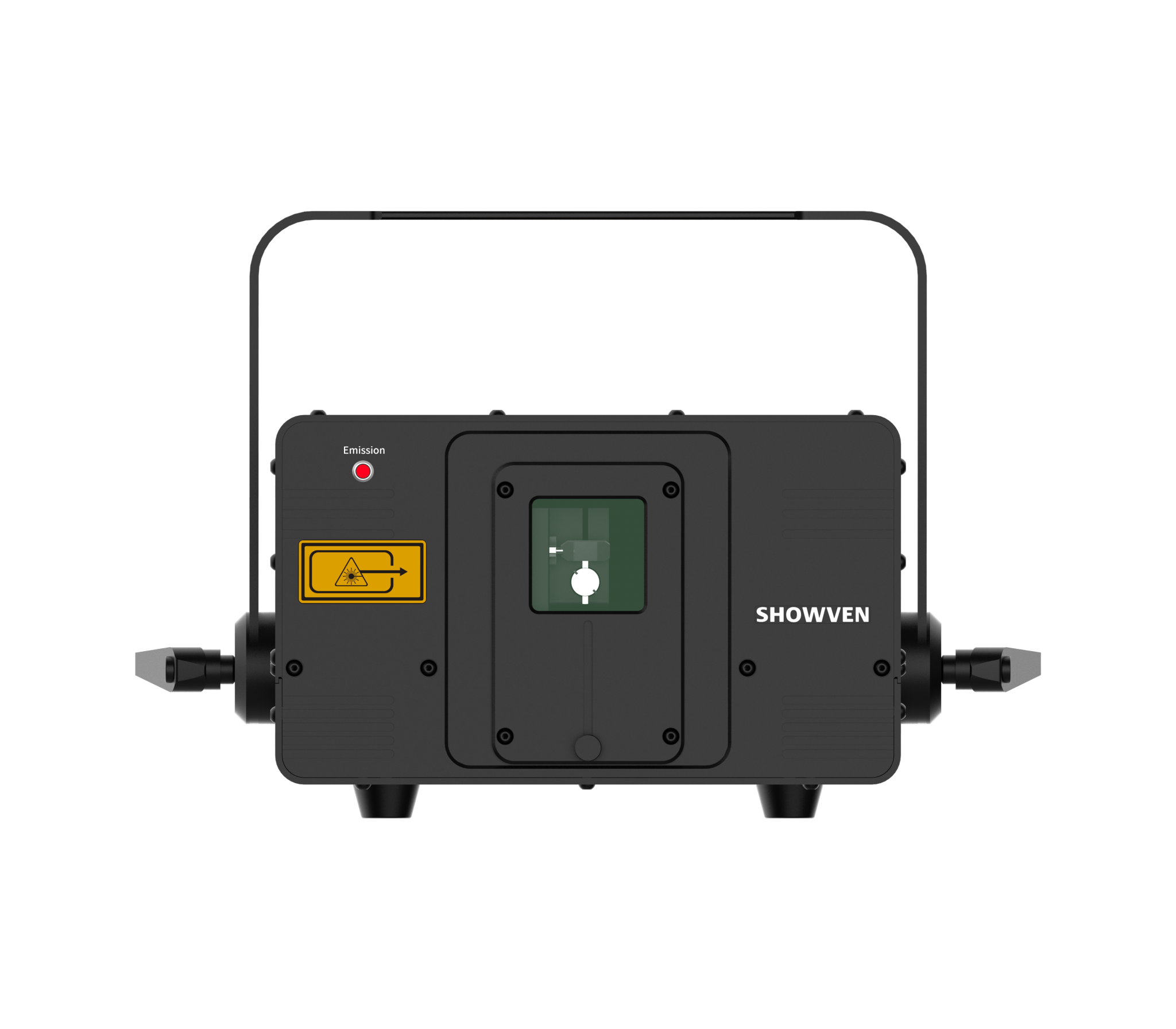
Setting the Scene: Why Your Crowd Sees Less Than You Think
You’re ready to launch the night. Music hits, haze rolls, and the room should snap to life. A DJ laser light can turn a sleepy floor into a living map of color and motion. Yet many shows still underwhelm. Recent production audits suggest smaller venues leave up to 40% of beam impact on the table due to configuration gaps and room factors (low ceilings, patchy haze, rushed setup). So ask yourself: are you getting full value, or only a slice?

Here’s the catch: it’s rarely about buying “the biggest laser.” It’s about dialing basics like beam divergence, DMX512 timing, and safe audience scanning, then matching them to your space. The gear is capable—funny how that works, right?—but the plan often isn’t. In teacher terms, think inputs, controls, and outcomes. Set inputs well and your control signals do the rest. Simplify the chain, and your outcomes become repeatable.
This guide breaks down common misreads and the smarter, safer path to fix them. We’ll start with what traditional setups miss, then move toward what comes next.
Beyond the Basics: Traditional Solutions and Their Hidden Flaws
Why do legacy setups fall short?
Many “laser for club” installs start with a familiar checklist—mount high, add haze, plug in cues—and stop there. But the room changes every night: airflow shifts haze density, patrons absorb light, and surfaces reflect unpredictably. Legacy rigs rely on static DMX chases that ignore this flux. Without feedback, beam divergence and scan speed may fight your venue geometry. Galvanometer scanners can overshoot when scenes stack gobos, shapes, and text at high duty cycles, and that loss shows up as wobble or faint lines. Add small power converters that heat up in cramped truss, and you risk thermal throttling right when the chorus drops.
Control paths are another trap. ILDA protocol lines stretch across the booth, pick up noise, and drift. You nudge the focus ring, but optical attenuation from haze clumps still eats the mid-air bloom. Old presets assume an even haze blanket—rare in real life. Look, it’s simpler than you think: you need presets mapped to ceiling height, audience distance, and haze output per minute. Then tie them to safety interlocks and beam caps. When you don’t, you see hot spots near the stage and weak mids over the dance floor. It isn’t that the fixture can’t punch; it’s that the cues ignore airflow, reflectivity, and scan angle limits. The result feels flat and fatiguing.

Comparative Insight: The New Playbook vs. Yesterday’s Habits
What’s Next
Now compare the old approach to a smarter one built on new technology principles. Instead of static chases, you run scene logic that adapts to haze density and crowd spread. Edge computing nodes at FOH track cue timing and push optimized scan angles to the fixture. Real-time laser modulation smooths corners at higher speeds, while PWM dimming maintains color stability. In practice, that means consistent mid-air graphics at safer power levels and less flicker. When you spec professional DJ laser lights, look for calibrated galvanometer response, tighter beam divergence, and a heat path that keeps components in the sweet spot. Add an IP rating that matches your environment—indoor humidity is a thing—and the rig behaves, night after night.
We also see wins from networked control replacing long ILDA runs with cleaner data and redundancy. Scene packs become “room aware”: presets for low ceilings, reflective bars, or deep stages. This compares favorably to the set-and-forget method—no more guessing why the center wash looks thin while corners pop. Summing up so far, we learned that venue physics, not just wattage, determines impact; that stable scanners beat raw speed; and that smart power management prevents dips. To choose well, use three evaluation metrics: first, control fidelity (DMX/Art-Net timing, scan stability, and latency under load). Second, optical performance (measured beam size over distance, color mixing accuracy, and safe audience scanning tools). Third, durability and safety (thermal design, safety interlock behavior, and compliance logs). Get these right and your show scales cleanly—funny how small tweaks unlock big rooms, right? For deeper technical references and product insights, see Showven Laser.

