
Introduction: A Quick Question That Packs a Punch
Have you ever wondered why two shops with similar machines can have wildly different output? I ask because I see it all the time—one line humming, the other one stuck in repeat fixes. CNC turn mill center manufacturers often chase uptime and cycle time numbers, but the gap usually comes from small workflow choices (and a stubborn attachment to old habits).
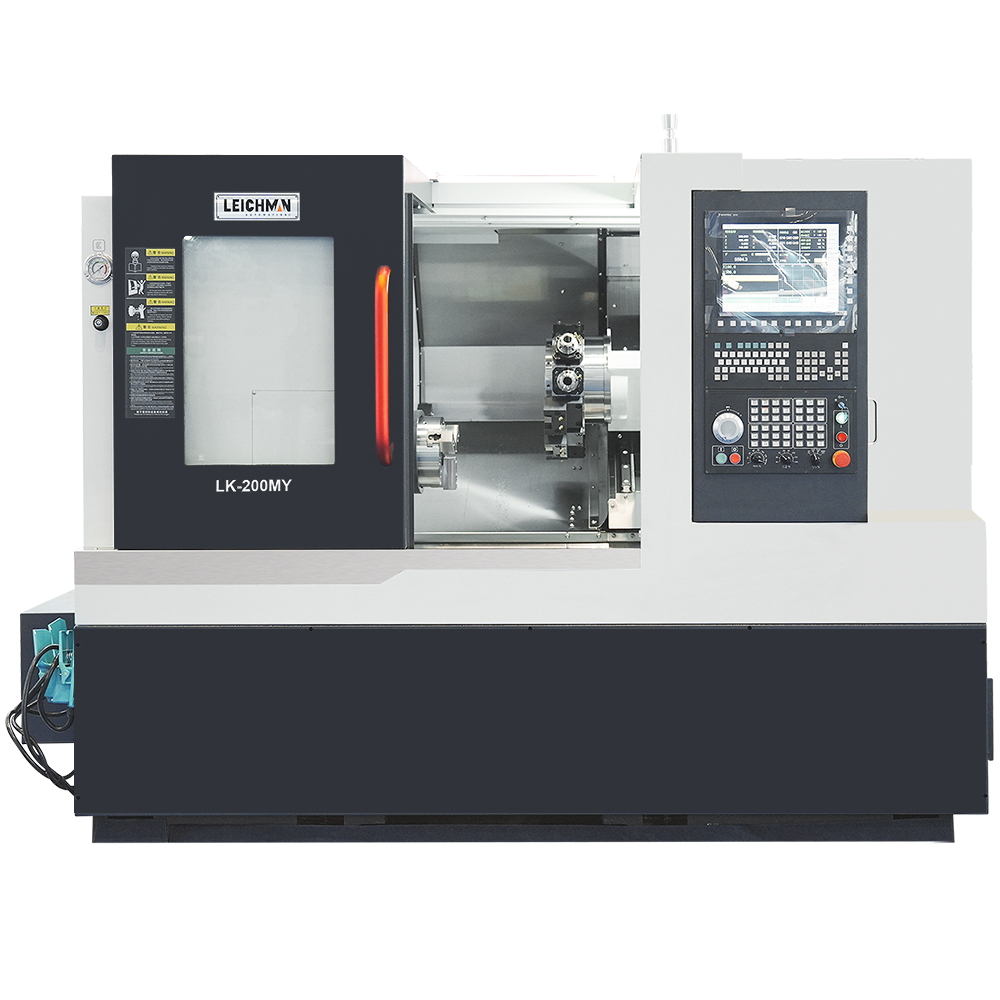
Here’s a quick scene: a job runs 1.5 hours on paper, but real time is 2.2 hours. The data—95% nominal spindle load, 30% unexpected tool changes—tells a different story. So what really tilts the scale between average and great? I’m talking about items like spindle speed tuning, tool changer logic, and the way NC controller settings talk to the operator. These details matter more than most teams give them credit for.
I’ll walk through why the usual fixes fall short, then look ahead to what actually moves the needle. Ready? Let’s dive into concrete fixes and honest trade-offs before we pick a solution.
Part 2 — The Real Flaw: Why Traditional Fixes Don’t Solve Turn Mill Center Problems
turn mill center setups often get a quick tune-up: faster feed rates, bigger tooling, and more coolant. On paper that sounds right, but the deeper issue is integration. I’ve seen shops push spindle speed and forget axis synchronization and live tooling timing; result: chatter, wasted passes, and shorter tool life. That’s not a mystery—it’s a systems mismatch. We call out tool changer optimization, fine-tuned servo motors, and correct NC controller profiles as separate fixes, but they must be solved together.
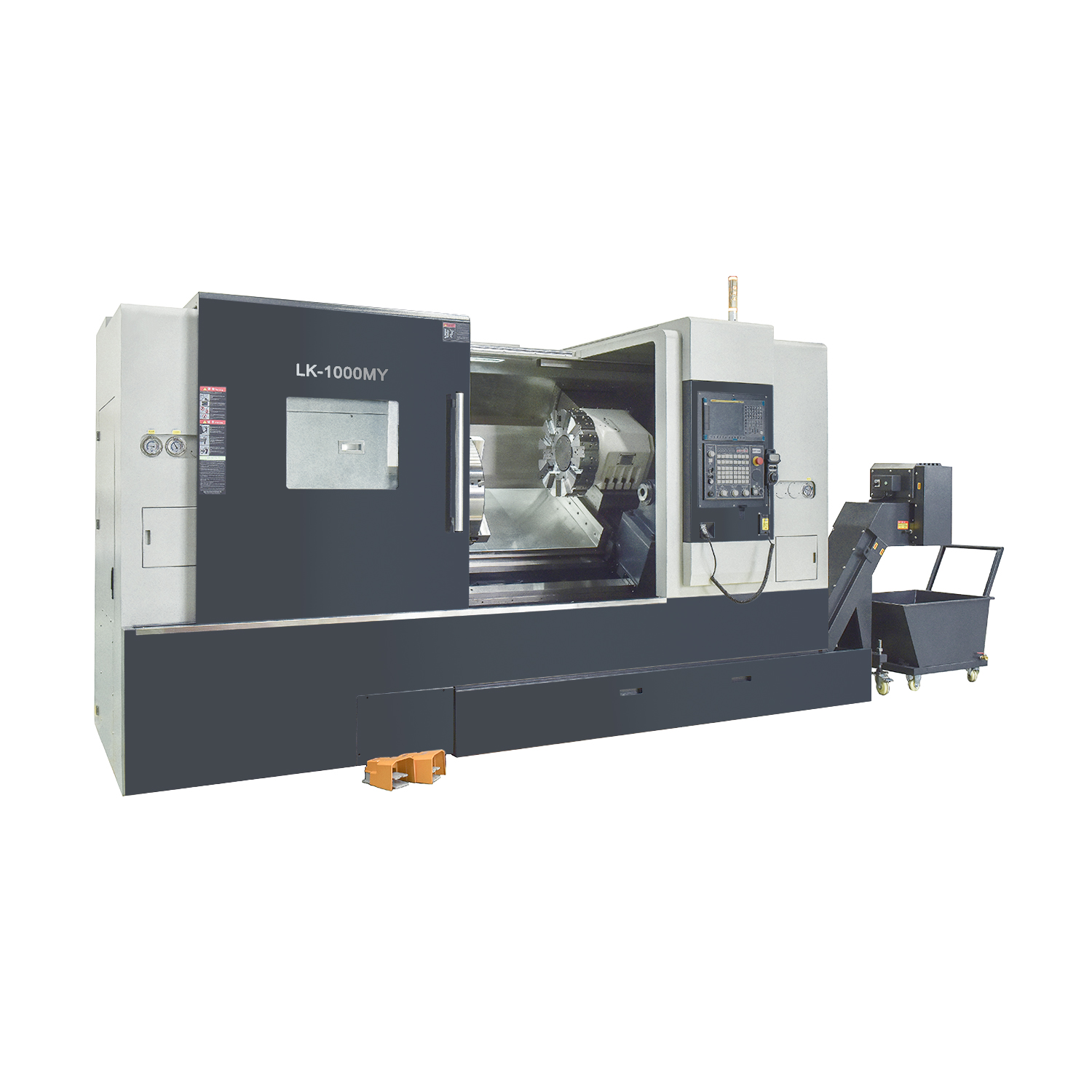
(Here’s the awkward truth.) Traditional solutions treat symptoms. You speed up feeds to hit cycle times and then blame the operator when parts warp. You upgrade to a higher-power motor or add a new chip conveyor and expect throughput to jump. Look, it’s simpler than you think: mechanical hardware and control logic must be tuned as one system. If axis synchronization lags even a fraction, live tooling and spindle speed gains vanish. I feel strongly about this because I’ve debugged lines where a small timing fix cut reject rates in half. The pain point isn’t lack of tech—it’s the failure to align tech with the process and people.
So what breaks first?
Usually it’s the human–machine handoff. Operators get partial instructions. The NC controller contains brilliant options no one uses. The result is brittle setups that fail under load or variation. I prefer teams that document choices and test them at scale—small experiments, clear metrics, real learning. That approach saves time, money, and sanity.
Part 3 — What Comes Next: Principles for Smarter Turn Mill Center Adoption
Moving forward, I lean on a few practical principles rather than shiny feature lists. First: treat control, tooling, and process as one design problem. Second: use a feedback loop—data from edge computing nodes or simple sensors—to refine timing and tool paths. Third: standardize the handoff so every operator runs the same validated profile. When shops compare options, they often ask about raw specs (spindle power, axis count) like in a typical cnc lathe vs cnc mill debate. That matters, yes, but integration matters more. — funny how that works, right?
As a practical roadmap, I recommend testing new configurations in a controlled cell, measuring rejects, cycle time, and operator load. Use a short test series: vary spindle speed, tool changer sequences, and coolant strategy. Track results. Then iterate. This is how you move from guesswork to consistent gains. I’ve seen modest investments in live tooling or better NC controller tuning return in weeks, not months.
What’s Next
To close, here are three evaluation metrics I use when advising teams: 1) Effective cycle time (measured end-to-end, not clocked on a program), 2) First-pass yield under real production loads, and 3) Mean time between adjustments (how often tooling or parameters need manual tweaks). Weigh these against spec sheets and vendor claims. Measure first. Decide second. I’m convinced that makes better, faster rollouts—and it keeps operators calmer. For practical hardware and system choices, check trusted sources and vendor case work. And if you want a place to start exploring curated equipment and system integrations, take a look at Leichman.

