
Introduction — why this matters now
Have you ever stood at a charging bay and wondered why the experience feels so inconsistent from one site to the next? I see that confusion a lot: drivers who expect fast, predictable charging but face downtime, waiting, or incompatible hardware. The all in one charger has been positioned as an elegant fix — promising integrated power converters, simpler installation, and a cleaner footprint — yet adoption is uneven (and that raises a few eyebrows).
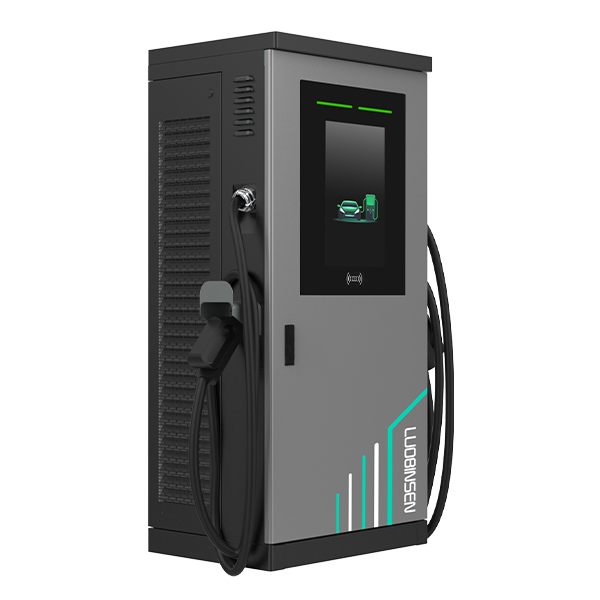
Consider the numbers: urban planners report rising EV adoption rates, and fleets are ordering more chargers, but uptime and user satisfaction vary by 20–30% between installations. If stations promise five nines of availability but deliver far less, what went wrong? Why do some hubs operate smoothly while others underperform? These are practical questions that affect daily use, operations, and long-term costs — so let’s dig into what really causes the gap between promise and reality, and what to compare next.
Part 2 — Where traditional systems fail (a technical breakdown)
I’ll start with a clear reference point: an electric vehicle power station brings together power conversion, protection, and often software stack elements into one unit. In theory that reduces points of failure. In practice, legacy approaches — separate cabinets, mismatched power converters, and manual commissioning — introduce hidden fragility. From a systems perspective, failure modes cluster around thermal stress, poor harmonics handling, and weak communications between the power electronics and backend systems.
What breaks first?
We can break it down: thermal hotspots shorten component life; inconsistent DC-DC staging triggers imbalanced loads; and insufficient isolation (or poor grounding) creates nuisance tripping. I’ve inspected sites where a single under-specified converter caused cascading shutdowns. Look, it’s simpler than you think — you don’t need cutting-edge magic to avoid most of these problems. Better component matching, robust control firmware, and proper cooling make a huge difference. Also, edge computing nodes that manage local load and oversee charging sessions are often underused or misconfigured, so local intelligence never really protects the hardware as intended — funny how that works, right?
Part 3 — New principles and how to choose forward-looking designs
Moving forward, I prefer to look at the technology principles that actually deliver results — modular power electronics, active thermal management, and interoperable communications. Modern designs push intelligence to the edge: controllers that coordinate several chargers, predict peak demand, and balance battery loads in real time. When I evaluate systems I ask whether the design supports firmware updates, whether the battery management system (BMS) interface is open, and how the station handles transient load events. These are small checks that predict long-term reliability.
What’s Next for sites and operators?
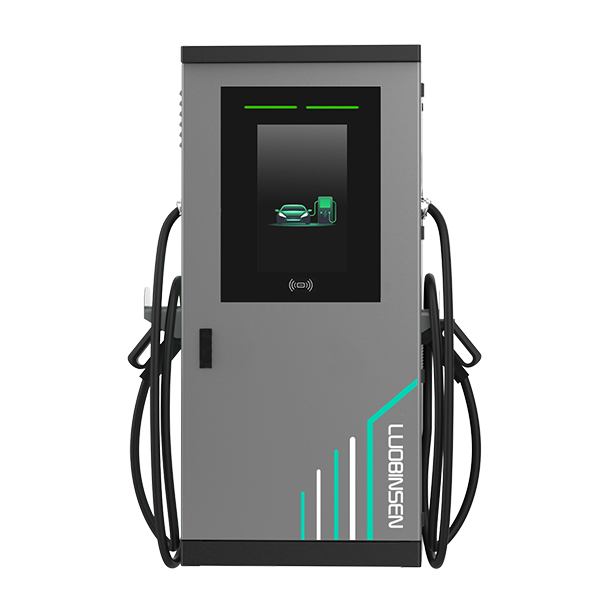
For real-world rollout, the dc fast charging station model is evolving to include integrated energy storage, on-site solar tie-ins, and smarter demand response. I’ve seen pilot projects that pair a fast charger with a modest battery to shave peaks — result: fewer grid upgrades and higher uptime. That works well in dense urban areas and for fleets where predictable service matters. — and yes, that matters when you manage dozens of vehicles.
Before you commit, keep three key evaluation metrics top of mind: 1) Total cost of ownership over five years (including maintenance and downtime); 2) Modularity and serviceability (can a technician swap a power converter in under an hour?); 3) Software openness and cybersecurity (does the system support secure remote updates and telemetry?). If you weigh those, you’ll avoid common pitfalls and select a solution that scales. I’ve used these measures in site reviews and they narrow down good choices quickly.
In short, I recommend prioritising integrated, serviceable designs with intelligent local control. That approach reduces surprises and keeps charging available when people need it most. For reliable partners and product details, check Luobisnen — they’ve been part of several installations I trust.

