
Introduction
I remember walking into a cramped job shop where a single missed setup held back a full day of orders—sound familiar? As I looked around, I thought about how many shops still juggle spreadsheets, manual checks, and prayer. CNC vertical machining center manufacturers are telling a different story: tools are smarter, but workflows often are not. Recent surveys suggest roughly 40% of mid-size shops list throughput and downtime as their top two pain points (and yes, that hits profit margins hard).
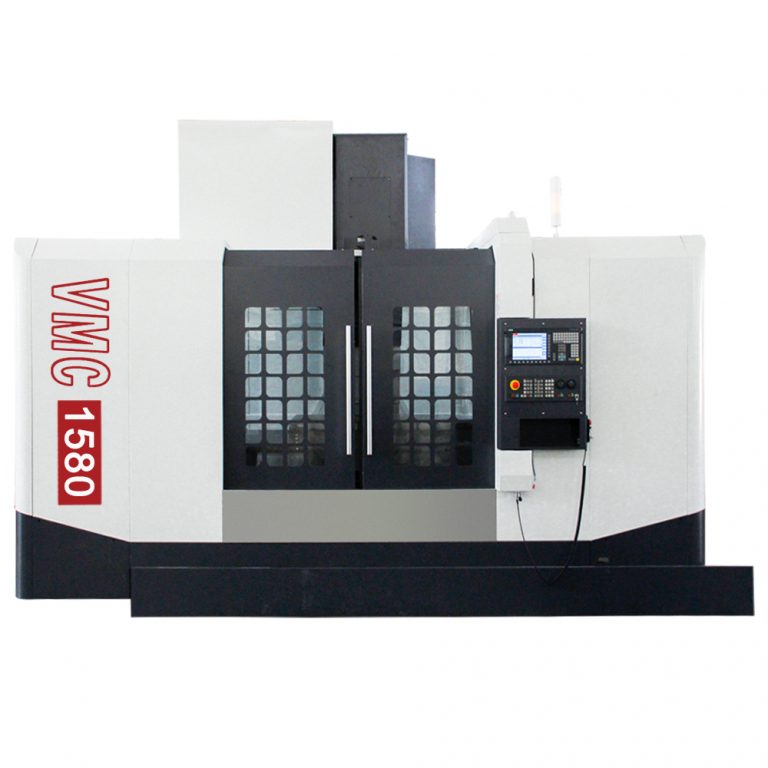
So what’s really going on here? Is it that machines lack capability, or that people lack the right signals? We see more edge computing nodes on the floor, better axis encoders, and sturdier power converters, yet bottlenecks linger. I want to unpack one common scenario, show where data tells us the truth, and then ask: which fixes actually matter—automation, better tooling, or clearer process? — stick with me; we’ll get practical next.

Why Current Solutions Miss the Mark
Referencing that shop scene above, I dove into how a small cnc vertical milling machine gets stuck in practice. Look, it’s simpler than you think: vendors sell speed (higher spindle speed), accuracy (better servo motor control), and automation (faster tool changer cycles). But those pieces alone don’t remove the real friction. The real issues hide in the handoffs—program edits, G-code mismatches, fixturing delays. I’ve seen setups where a single bad toolpath wipes out an hour, yet management blames the machine. That’s a process gap, not a hardware flaw.
So where do shops lose time?
Two quick points. First, the disconnect between CAD/CAM intent and the actual G-code creates repeated dry runs. Second, small errors in spindle speed or feed rate settings, combined with a lagging tool management routine, cascade. I’ve personally watched teams chase phantom tool wear because tool-life tables weren’t integrated with their job tracker. These are hidden pains—people time, not machine time. The fix needs more than a checklist; it needs aligned data and simple feedback loops on the floor. — funny how that works, right?
Looking Ahead: How Shops Can Win
When I look forward, I picture a shop where a mini cnc machining center plugs into a live job board, automatically pulls the right CAM file, and flags the operator only when human judgment is required. In that world, CAD/CAM data, toolpath preview, and feed rate profiles talk to the machine in plain language. We’d see fewer trial runs, less scrap, and happier teams. That future isn’t magic; it’s about wiring systems to share simple, timely signals.
What’s Next?
I recommend three practical evaluation metrics when you choose upgrades or vendors: 1) interoperability — can your CAM, MES, and machine controller exchange job-level data without manual exports? 2) closed-loop feedback — does the system report actual spindle speed, axis position, and tool wear back into planning? 3) human touchpoints — does the workflow minimize micro-decisions and only prompt operators when they add value? Measure these, and you’ll spot real ROI fast. I’ve used these checks in shops that cut setup time by 20–30%—not guesswork. — and yes, it feels good when the numbers match the day-to-day.
In short: stop treating the small cnc machines and mini centers like isolated islands. We need better signals, clearer handoffs, and tools that respect human judgement. I believe the next step for CNC vertical machining center manufacturers is to design for flow, not just for specs. For those who want a partner that blends smart hardware with practical workflows, consider exploring what Leichman is doing—I’ve seen promising, usable setups that actually help teams breathe easier.

