
Introduction: The Hybrid That Wants It All
Start with the physics: stability at speed, agility on command, comfort on demand. A sport cruiser motorcycle lives at this exact edge case, where rake, trail, and mass centralization must serve two masters. In cities, riders face stop-and-go heat, then sprint to the hills at dusk—two workloads, one chassis. Recent owner surveys show that most mid-weight riders split time 60/40 between commute and play, and 7 in 10 now expect rider aids like cornering ABS and traction control as default (not optional). If the platform must flex across modes, why are we still tuning engines and geometry like it’s a single-job bike?
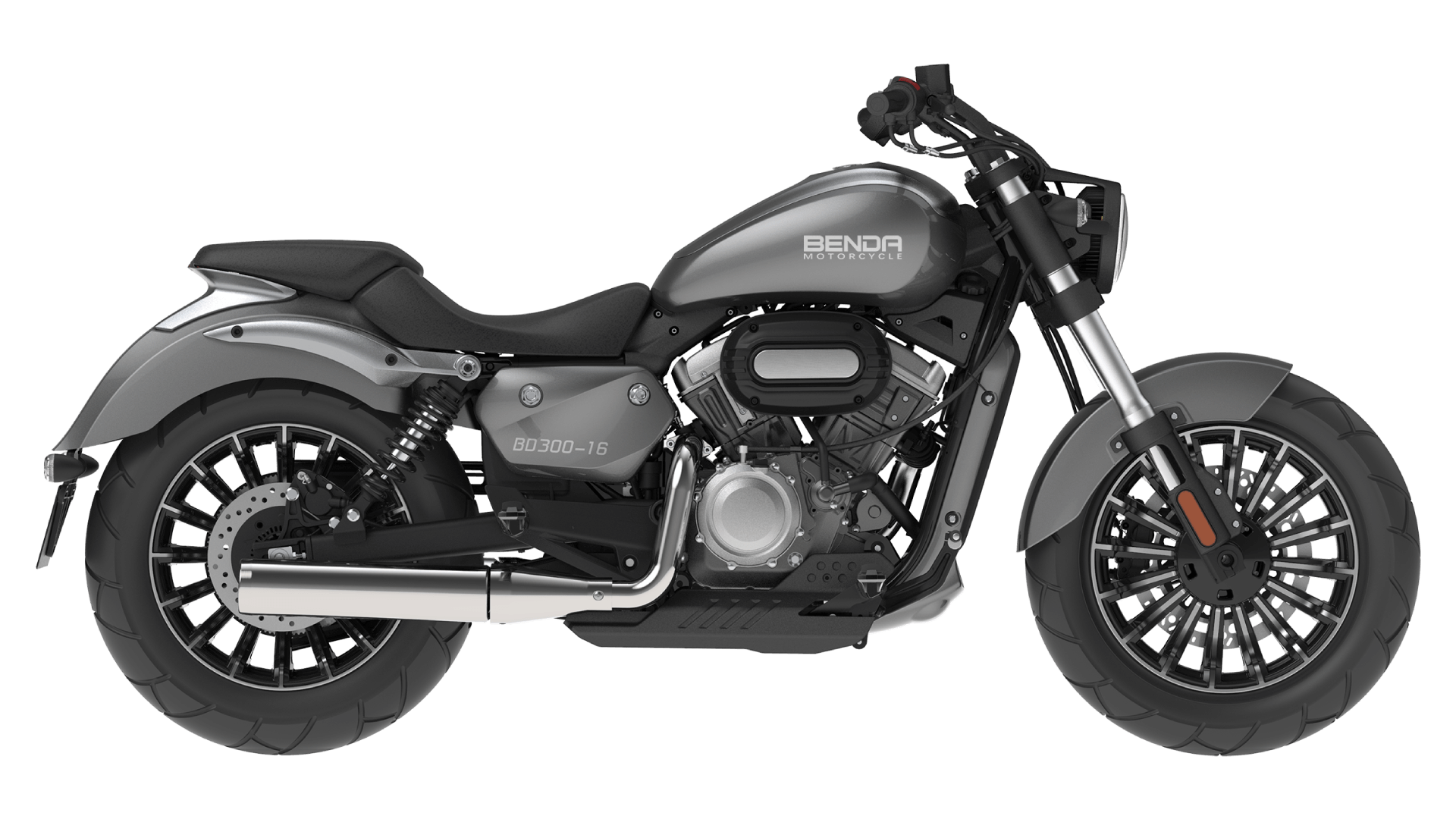
Here’s the bet: software-defined dynamics, blended with smarter hardware, can make the split persona feel native—not bolted on. And that changes what “cruiser” and “sport” even mean in one frame. Next, let’s look at the cracks we keep patching.
The Hidden Trade-Offs We Still Accept
Where do the compromises hide?
The weak link isn’t raw power. It’s context-aware control. Riders love the stance and torque hit, but the pain points stack fast with sport cruiser motorcycles: abrupt throttle in low gear, heat soak near the knees, vague mid-corner feedback over ripples, and a saddle that’s fine at 20 minutes but not at 90. Look, it’s simpler than you think. Most of this comes down to the interface between your right wrist and the ECU. Ride-by-wire maps that don’t scale with load and grade. EFI mapping built for lab cycles, not dense traffic. A torque curve that looks great on paper but surges when the chain has slack. We call it “character.” It’s misalignment—funny how that works, right?
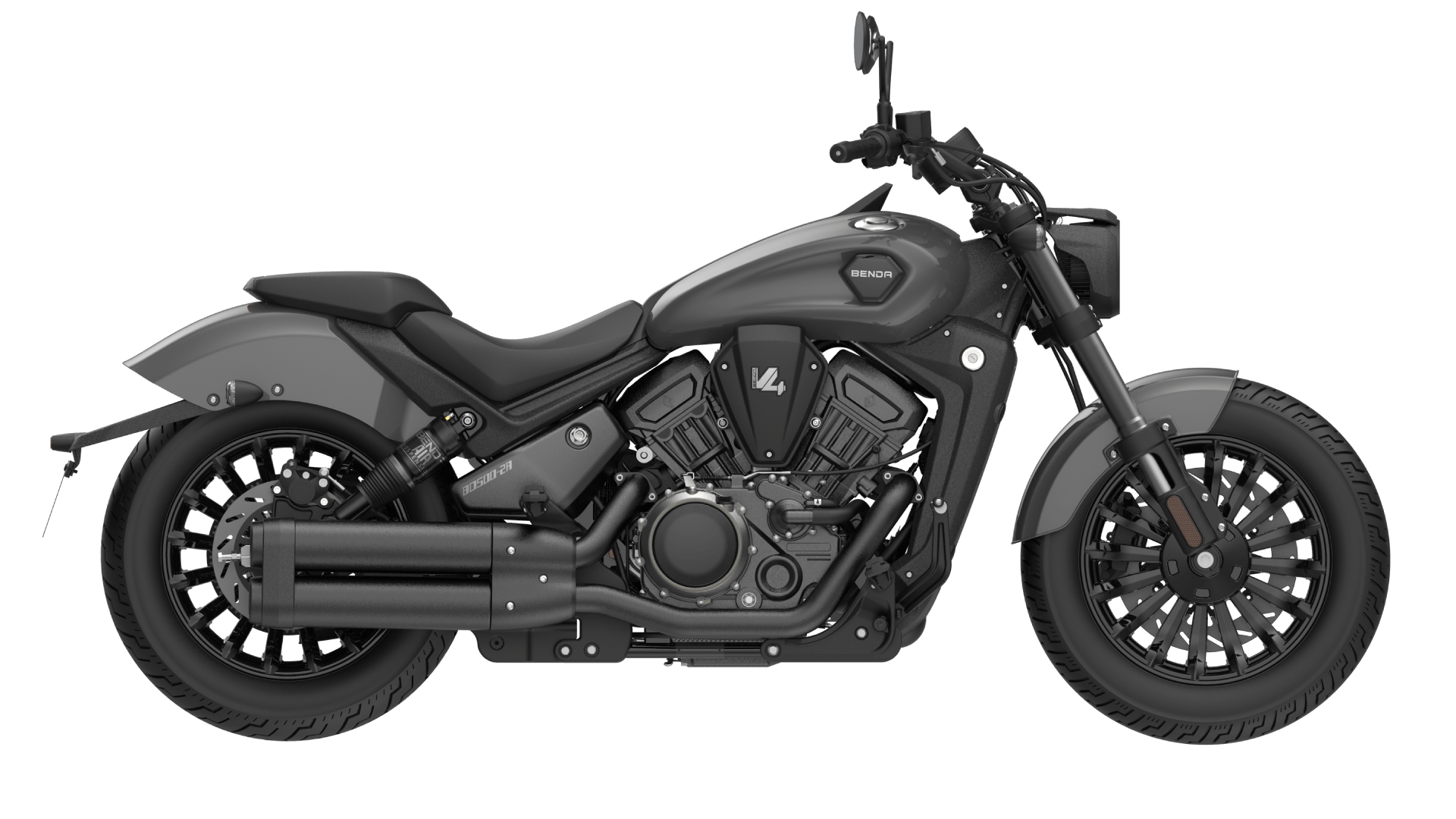
Then there’s signal flow. Basic CAN bus logic tries to reconcile inputs from ABS, IMU, and traction control, yet the calibration lives in silos. Quickshifter timing doesn’t play clean with slip-assist clutch behavior at low RPM. Damping stacks run fixed, so you get harshness on square-edge bumps and wallow under throttle. The outcome is fatigue, not fear, which is worse because it sneaks up on you. Small frictions add up. Over an hour, they drain trust. Over a season, they shape what roads you choose.
Comparative Edge: New Tech That Actually Moves the Needle
What’s Next
Now the flip: compare old “set-and-forget” tuning with a new stack that learns. The principle is simple. Push computation closer to the rider. Microcontrollers act like edge computing nodes, fusing IMU data, wheel speed, and throttle position to update torque mapping every few milliseconds. Semi-active suspension adjusts rebound and compression per event, not per ride. CAN-FD allows richer messages, so traction control, quickshifter cut times, and engine braking coordinate instead of collide. With modern power converters managing accessory loads, thermal spikes drop, and the ECU keeps stable voltage to sensors for cleaner signals. Net effect: fewer surprises, more grip, and a cockpit that feels calm when the road gets loud. If you’re scanning a sports cruiser for sale, this stack is the difference between “specs look good” and “it rides the way I hoped”—and yes, it matters.
Future-ready bikes also ship with over-the-air update paths and a lightweight “digital twin.” That means the ECU can deliver refined ride-by-wire curves and traction maps after real-world data flows in, not years later at a model refresh. Compare that to static bikes that freeze their personality on day one. The upside is obvious: fewer compromises for mixed-use days, better fuel mapping under heat, and chassis calm through mid-corner chop. We keep the soul—torque, stance, soundtrack—but remove the friction. Summary, not a repeat: control has to be adaptive, signals must talk, and ergonomics should respond to time, not just fit charts.
Advisory close: use three metrics when choosing your next platform. 1) Control coherence: does ECU logic align throttle, engine braking, and traction control under load? 2) Chassis resilience: does semi-active damping keep grip on broken tarmac without pogo effects? 3) Thermal and energy hygiene: does the bike manage heat and sensor voltage so the maps stay true on long rides? Nail those, and the rest is taste. For more on the category and where it’s heading, see BENDA.

