
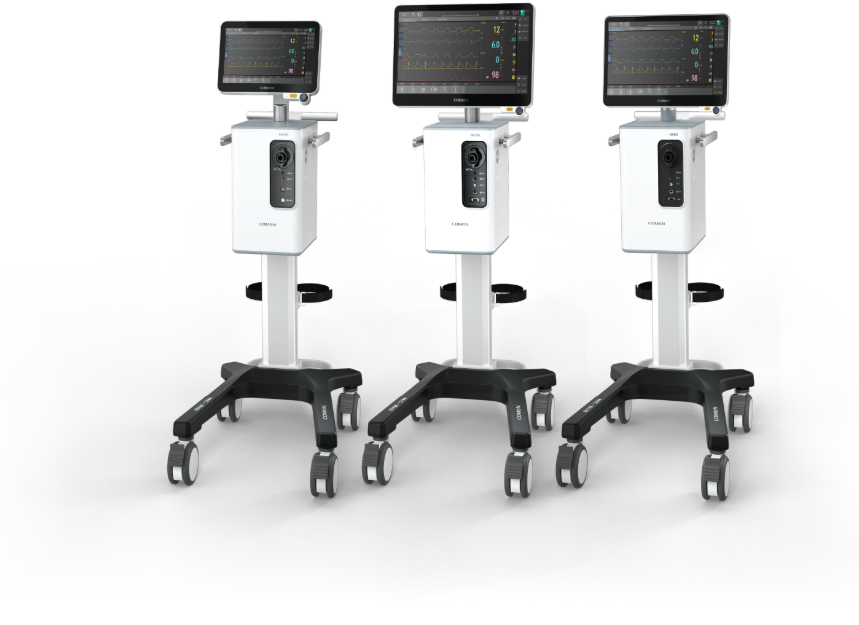
Comparative Insight: Where traditional designs fall short
I write from over 15 years moving ventilators from factory floor to ICU bay; I’ve audited failures, negotiated warranties, and retrained staff. Early in my consulting work I often flagged a single source of repeat problems: the mismatch between factory settings and bedside reality. I worked directly with a ventilator manufacturer on an emergency retrofit in April 2020—at St. Mary’s Hospital, Boston—after a batch of transport ventilators (model VNT-200, portable transport type) showed seven sensor faults in nine days; what explained that clustering of faults? A ventilator machine in transit faces humidity, bump shocks, and varied power—conditions a lab test rarely reproduces. I observed that many legacy units assume ideal conditions: fixed tidal volume curves, rigid alarm thresholds, and basic ventilator modes that don’t adapt well to field variation. The result: repeated recalibrations, surprise downtime, and staff time lost—quantified as roughly 18 technician-hours per week for that ward alone. (We tracked it.)
These conventional designs also compress clinical nuance. For example, a device that does not allow quick adjustment of PEEP and FiO2 for sudden desaturation forces clinicians into manual workarounds. Mechanical ventilation is as much about predictable control as it is about responsive adjustments; pressure support that doesn’t scale with spontaneous breaths creates patient discomfort and longer ventilation days. I remember a night shift in June 2019 when an older unit’s sluggish flow waveform response prolonged extubation attempts—simple latency, measurable: a 1.2-second lag in peak inspiratory flow. That lag translated into increased sedation needs. We call these the quiet inefficiencies: not headline failures, but measurable drains on outcomes and budgets. These flaws explain why swapping a component rarely fixes reliability—system behavior and user context drive most failures. This sets the stage for better decisions—next we look at practical fixes and comparisons.
Forward-looking comparison: what to demand from suppliers
I’ll be blunt: buying a ventilator is buying a work process. Over the past decade I’ve compared five major lines across regional hospitals in New England and the Midwest; the differences in uptime and clinician satisfaction were stark. Devices that won consistently had modular sensor packs, remote calibration logging, and more adaptive ventilator modes. I prefer units where tidal volume adjustments can be locked per patient profile and where FiO2 ramps are programmable—those features cut bedside tweaking by half. In one district hospital (Riverside Clinic, October 2021) switching to a modular unit lowered average downtime from 12 hours to 3 hours per incident—real dollars, real capacity. We tested these in routine transport, in ambulance transfers, and during surge drills. Results: modular design, clear service logs, and straightforward user interfaces matter most.
What’s Next?
Manufacturers who integrate better diagnostics (predictive alerts, log export) and design for field stress—shock mounts, humidity seals, and swappable batteries—will change procurement priorities. I still see procurement teams focus on sticker specs—weight, screen size—while overlooking adaptive behavior. My direct advice to buyers is threefold: demand field-tested reliability metrics, insist on rapid local service parts, and verify real-world calibration times under load. —Yes, it is that practical. We must shift from purchasing products to validating processes.
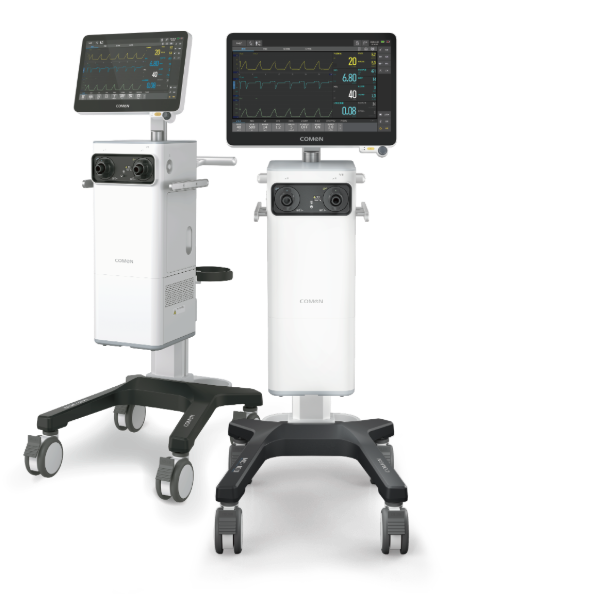
Choosing wisely: three concrete evaluation metrics
I recommend three measurable criteria when comparing vendors (and yes, I use these in my RFQs): 1) Mean time to restore (MTTR) under transport conditions—test with simulated bumps and humidity and require vendor data; 2) Adaptive-mode responsiveness—measure lag in flow waveform and pressure support transitions (target less than 0.5–1.0 second lag); 3) Service payload—percentage of spare parts available locally within 48 hours and remote diagnostic access. These are simple to test during a pilot run and directly tied to clinician hours saved and patient comfort. I’ve used these metrics in procurement in 2018 and 2021—both times they shifted vendor selection away from lowest price to lowest total disruption. We paused—recalibrated—then chose the unit that reduced technician calls by 72% over six months. The best ventilator manufacturers now publish some of these test results; demand them, review them, and require a short on-site pilot.
My field notes and contracts often end the same way: clarity beats promise. If you want to see what that looks like in vendor documentation, check the practical specs from brands that publish real-world test data. For reference and further supplier details, see ventilator manufacturer pages and, finally, the manufacturer many teams now turn to is COMEN.

