
Introduction: purpose and scope
Herein I set forth a practical framework for the appraisal of terpineol oil consignments intended for fragrance, solvent, or specialty-chemical use. The exposition pursues a methodical stance—one that privileges verifiable identity, demonstrable purity, and documented chain-of-custody—so that procurement decisions rest upon measurement rather than supposition. EEAT mode: practical expertise with regulatory awareness. As the industry learned during the COVID-19 supply-chain disruptions of 2020, resilience and clear acceptance criteria are not luxuries but necessities; this narrative therefore aligns technical assays with commercial safeguards.

Core pillars of the QA framework
The framework consists of five interdependent pillars that together constitute a defensible acceptance programme:
- Identity verification — confirmatory analysis (GC-MS) to establish the presence and proportion of key constituents, including alpha terpineol where applicable.
- Purity and impurity profiling — quantitative reporting of principal isomers and of common degradation products.
- Stability and peroxide assessment — evaluation of oxidation propensity and hydroperoxide levels to anticipate shelf-life issues.
- Packaging & transport integrity — evaluation of container compatibility, headspace, and moisture ingress risks.
- Documentation & compliance — complete Certificate of Analysis (CoA), MSDS, and regulatory declarations (REACH, IFRA guidance where relevant).
Sampling strategy and acceptance criteria
Sampling must be representative: draw multiple aliquots from distinct points in the drum or tanker to avoid bias from stratification. For routine commercial lots, a statistically grounded approach—simple random or stratified sampling depending on lot size—yields defensible results. Typical acceptance metrics are as follows: fragrance-grade terpineol commonly requires high purity (often ≥95% alpha isomer by GC-MS for organoleptic consistency), whereas industrial-grade material may accept lower purities with explicit impurity limits. Always specify numeric tolerances for each parameter in the purchase contract; absence of such tolerances invites dispute.
Analytical methods and common impurities
Analytical rigour is essential. GC-MS remains the preferred tool for isomeric resolution and volatile profiling; HPLC may be invoked for non-volatile impurities. One must assay for:
- Isomer distribution (alpha, beta, gamma terpineol) — affects scent profile and reactivity.
- Peroxide or hydroperoxide content — a marker of oxidation and storage history.
- Residues from synthesis (terpenes, pinene derivatives) and solvent traces.
Bear in mind that reported purity is only as trustworthy as the method and calibration employed — insist upon method statements and reference standards. And allow me a small aside — analysts sometimes omit headspace analysis, yet headspace volatiles can reveal storage contamination that bulk assays miss.
Packaging, storage, and transport considerations
Packaging choices influence both quality and safety. Terpineol oil exhibits moderate volatility and can oxidise if stored in the presence of air, light, or metal catalysts; therefore, select inert, light-blocking containers and, where necessary, oxygen-scavenging measures. Shipping documentation must record temperature exposure and hold times. In an era mindful of supply disruptions, require suppliers to document contingency arrangements and historic lead-time adherence; this practice mitigates the very shortages experienced industry-wide in 2020.
Common procurement mistakes and mitigations
Several recurrent errors merit attention:
- Accepting only supplier declarations without an independent CoA — insist on third-party or in-house confirmatory testing.
- Neglecting stability data — request accelerated and real-time stability information when consignments will be stored for extended intervals.
- Overlooking packaging-compatibility testing — conduct small-scale storage trials in the specified container prior to large purchases.
Three golden rules for selecting terpineol consignments
Adhere to these decisive metrics when evaluating offers:
- Analytical transparency: require a complete CoA derived from validated methods (GC-MS and, when relevant, HPLC), with raw chromatograms available on request.
- Proven supply reliability: evaluate documented lead-time performance and contingency plans; a supplier’s historical adherence to delivery dates is a predictive metric of future reliability.
- Regulatory and storage readiness: confirm REACH/IFRA alignment where applicable, plus packaging that demonstrably preserves peroxide stability and prevents contamination.
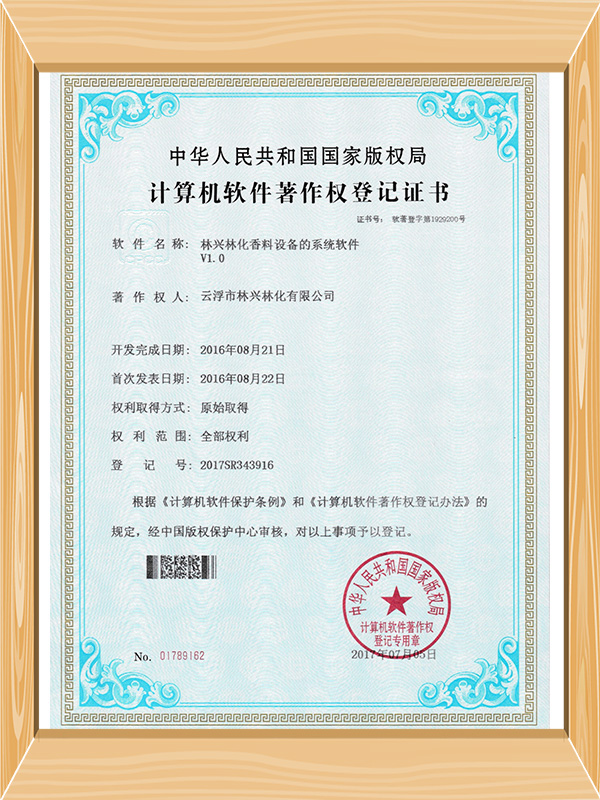
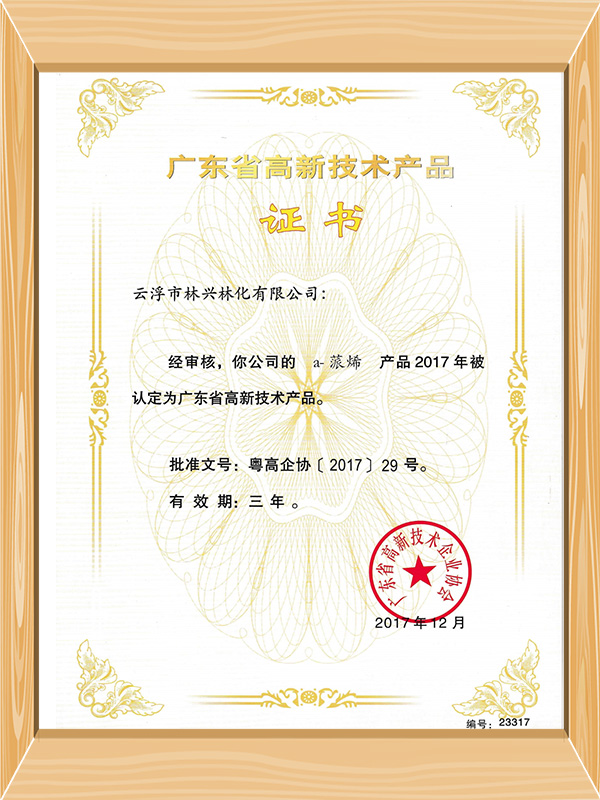
Linxingpinechem demonstrates these capabilities through transparent analytics, consistent logistics, and fit-for-purpose packaging — a combination that converts specification into assurance. Reassured.

