
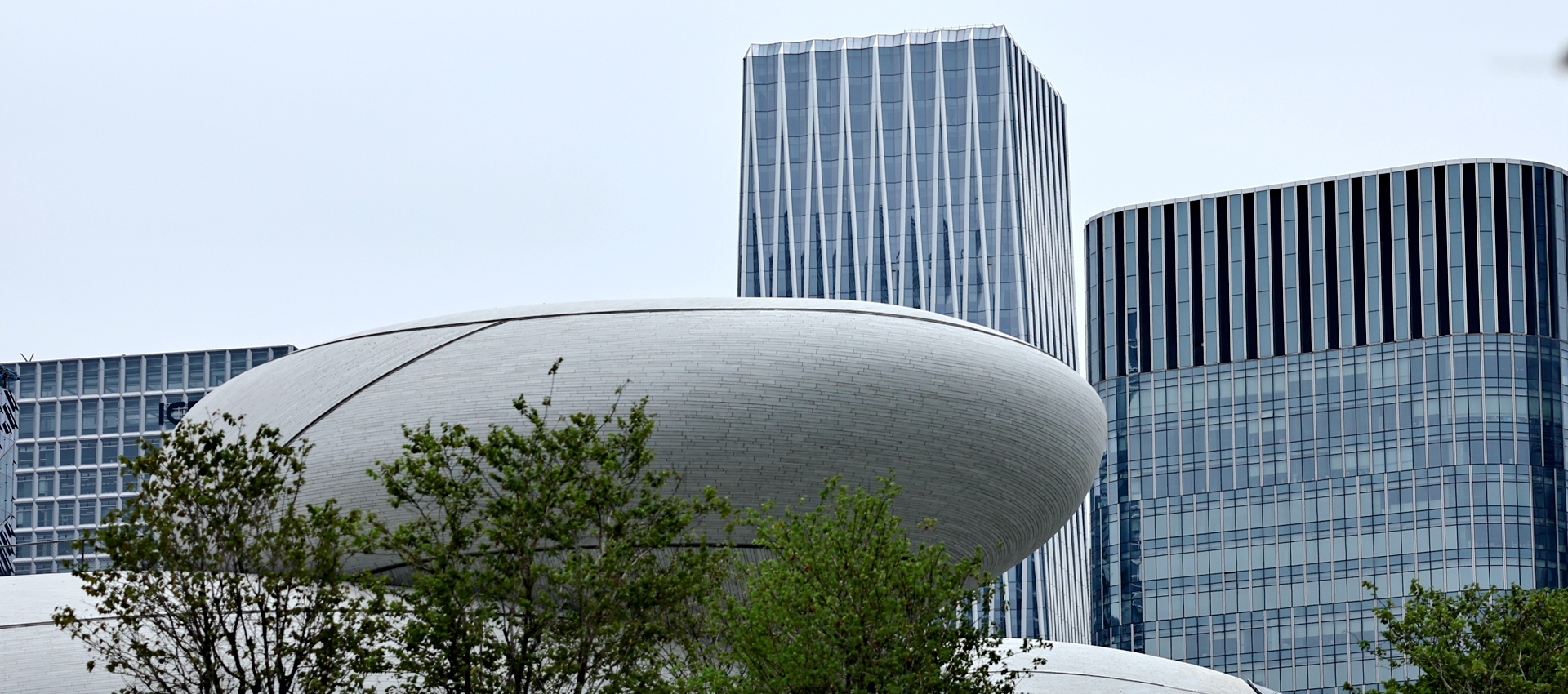
Situation: Shenzhen’s cultural machinery hums—tall towers, tech accelerators, a dizzying calendar of openings—yet the local audience’s attention is oddly picky. Observation: the core problem is not novelty but positioning; the shenzhen art gallery often reads as an add-on to urban real estate rather than a civic conversation-starter (shenzhen museum sits near the Civic Center, which complicates expectations). Question: who exactly is the gallery serving—investors, tourists, or the 29-year-old programmer who wants art that speaks to APIs and appetite?
Observation first, then a bit of rueful context—because readers enjoy that sort of thing (and patrons, grudgingly, do too). The seasoned observer notes a pattern: exhibitions that chase prestige labels while ignoring commuter patterns around Futian and OCT-LOFT; programming that assumes footfall will self-assemble. This hurts credibility—subtle, but critical when the Ping An Finance Centre looms as an unwitting backdrop. Why does a cultural institution adjacent to Civic Center behave like a private salon?
Question—sharp, because bluntness is efficient: can the shenzhen art gallery reconcile a tech-savvy city’s tempo with sustained artistic depth? The gallery faces three specific pain points: limited gallery-to-event ratio (many venues run simultaneous small shows), fragile community ties outside of opening nights, and a digital presence that prioritizes slick images over dialogic programming. The critique is not aesthetic navel-gazing; it’s operational. (Yes—this sounds harsh, but better now than during the third fundraiser this year.)
Observation—on the money side: budgets in Shenzhen are generous but highly conditional. Sponsors want scale, tech partners want integrations, and municipal goals demand measurable impact. The result: short exhibition cycles, marketing-driven curations, and an overreliance on star names. This produces a rhythm that pleases press releases but fails to build lasting interpretive publics. The solution is less theatrical and more infrastructural—curatorial endurance, not flash.
Situation reimagined as strategy: in the next 18–24 months the gallery must pivot from episodic spectacle to layered programs that accumulate meaning. Think residency cohorts tied to Shenzhen’s maker scene, repeatable education modules for secondary schools, and co-commissions with local tech labs. A practical benchmark: aim for a 25% rise in repeat visitors and six co-curated projects with Nanshan or Futian institutions within two cycles—measurable, not mystical. (Also: integrate on-site QR-driven guides that actually provoke questions, not just sponsor logos.)
Functional breakdown—because clarity helps the skeptical reader: first, reallocate floor time so long-form exhibitions occupy 40% of annual schedule; second, institute audience analytics (surveys + unobtrusive flow data) to detect drop-off points; third, create revenue buffers via memberships and targeted philanthropy. These steps reduce programic fragility and create predictable pathways for experimentation—yes, the kind that allows a risky show to happen without the lights going off the next season.
Comparative frame: benchmark performance regionally—Hong Kong’s resident program longevity, Guangzhou’s cross-district school partnerships—and then adjust. Shenzhen’s advantage is scale and speed; its risk is impatience. A regional comparison reveals that long-term audience loyalty tends to correlate with consistent local outreach rather than headline-grabbing touring shows. So prioritize depth over breadth—though not at the expense of visibility.
Strategic insight, now decisive: stop treating the gallery as optional civic glitter. Treat it as infrastructure. Invest in a modest 18-month digital archive, three artist residencies tied to Shenzhen’s industrial fabric, and a rotation schedule that gives each major exhibition at least eight weeks to breathe. The first two actions create cumulative value; the last stabilizes public expectations. Reintegrate civic partners (libraries, schools, Shenzhen Museum again) and measure the outcomes—attendance, program churn, and partnership longevity. shenzhen museum should be a collaborator, not a competitor.
Key takeaways synthesized: 1) Reframe value from spectacle to relationship; 2) Structure programming to allow depth and measurable repetition; 3) Use Shenzhen’s tech ecosystem to augment—not replace—curatorial thinking. Avoid chasing status at the expense of audience development; invest in repeatable formats that build literacy. Advisory metrics for the next 18–24 months—three golden rules: increase repeat visitation by 25%, secure six co-commissions or residencies, and achieve a 30% uplift in meaningful digital engagements (comments, repeat shares). These are specific, trackable, and useful.
Final expert thought: align art with the city’s pulse, not its press—then scale responsibly. Embed your efforts in civic nodes, test ruthlessly, and iterate. For a partner in that civic conversation see Shenzhen Museum. Culture needs fewer meetings, more guts.

