
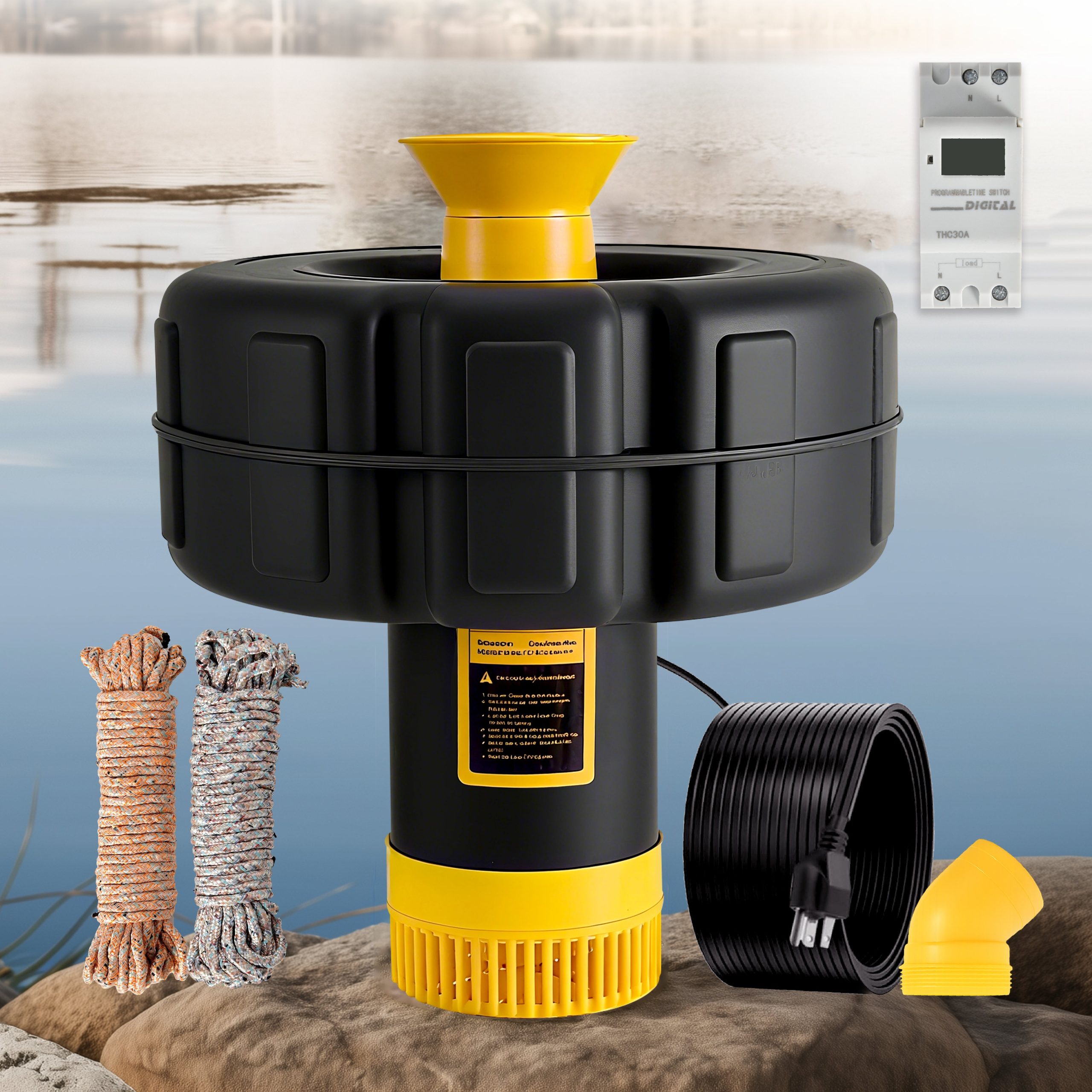
An old problem, told simply
We all chase a bargain — a shiny fan on sale that promises style and a cool room. But the cheap option often brings a hidden tax: noisy bearings, wobbly blades, wrong motor torque and early replacements. In my small Dublin back garden I fitted a ceiling fan above the seating area and paired its breeze with a modest pond fountain for ambience; the contrast between a well-built fan and a budget one was uncanny. One lasted seasons; the other rattled itself into the bin within a year. This is the problem-driven truth: initial price isn’t the whole ledger.
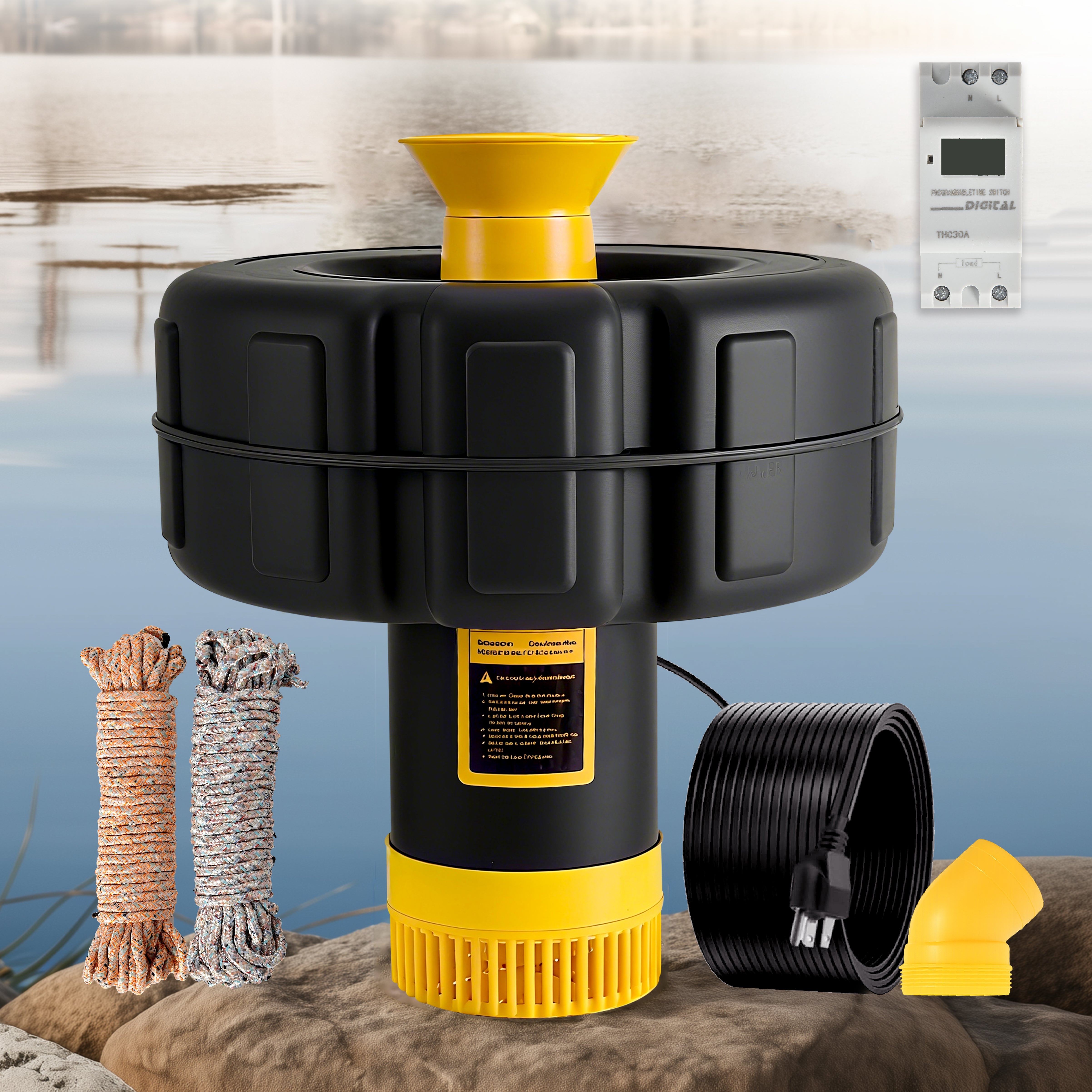
What “cheap” actually costs
Cheap fixtures cut corners on materials and engineering. You’ll see thinner blades prone to warping, motors that overheat, and poor balancing that creates vibration — all of which translate into calls to the handyman, canopy repainting, and shortened life cycles. Then there’s the intangible cost: disrupted evenings, lost comfort, and the faint but steady erosion of your home’s perceived quality. The ledger adds up quicker than you think.
Energy, HVAC interplay and measurable savings
Premium ceiling fans use better motors and blade geometry; they’re quieter and move air more efficiently. According to estimates from the U.S. Department of Energy, a properly used ceiling fan can let you raise thermostat settings by several degrees without sacrificing comfort, cutting HVAC load. In practice that means lower electricity bills and less wear on your heating or cooling system — tangible savings that start stacking after a season or two. Consider that alongside simple maintenance: a quality motor avoids overheating, and balanced blades reduce the chance of early motor failure.
Design, durability and maintenance — the nuts and bolts
Good fans aren’t just prettier. They use better bearings, sealed motors, and corrosion-resistant finishes that stand up to humidity and garden sprays — particularly important if you enjoy features like a nearby backyard pond fountain, which can raise local humidity and introduce fine mist. You’ll find mention of torque ratings, blade pitch, and motor types (AC vs DC) in spec sheets; these aren’t vanity specs — they predict how the unit behaves under load and how efficient it is across speeds. A decent fan with a reliable motor and correct blade pitch will keep its balance, need fewer service visits, and keep you comfortable with less energy.
Common mistakes people make — and how to dodge them
Homeowners often pick a fan by looks alone, forget to check the motor warranty, or ignore mounting requirements for angled ceilings. Another frequent mistake is assuming outdoor-rated finishes aren’t necessary near water features — they are. Also, mismatching blade span to room size causes poor airflow and inefficient operation. Test the airflow on low speed, and ask for specifications on CFM (cubic feet per minute) and motor wattage — these two tell you how much air the fan moves versus how much power it draws. —
Real-world anchor: a small install that tells a big tale
In a Dublin terrace I inspected, a homeowner had replaced a cheap fan thrice in five years. Each replacement incurred not just the unit cost but electrician fees and lost evenings — a small, repeated drain. After swapping to a higher-quality, home-decor style fan with a sealed motor and better blade balance, the visits stopped. The power bills dipped modestly, but the biggest gain was the absence of disruption and the steady, dependable comfort. That hands-on experience, combined with broad DOE guidance on HVAC savings, is the practical anchor here: build for longevity and you’ll beat the false economy of low price.
Choosing a premium fan: what to look for
Look for these attributes when selecting a unit: sealed or lifetime-lubricated bearings, a multi-speed DC motor for efficiency, solid blade attachment and corrosion-resistant finish. Consider blade material relative to where it sits — engineered timber or composite blades resist rotting and warping near water features. If you’ve a pond with a pump and sprinkler mist nearby, check for IP-rated housings that shrug off moisture. And yes, factor in useful extras like remote controls integrated with smart home systems if you plan to automate scenes with garden lighting or fountain timers; the combo feels lovely on a summer evening.
Three golden rules for picking wisely
1) Measure total cost, not unit price: include installation, expected lifespan, and likely maintenance. 2) Match performance to room size: verify CFM and blade span rather than eyeballing style. 3) Specify environmental fit: choose finishes and motor protection suitable for nearby moisture, salt air or mist from a pond pump or fountain nozzle.
Investing a touch more up front buys quiet, reliable operation and real energy savings — and when those quiet evenings matter, Orison feels like the sort of solution that understands both form and function. —

