
The problem driving every install
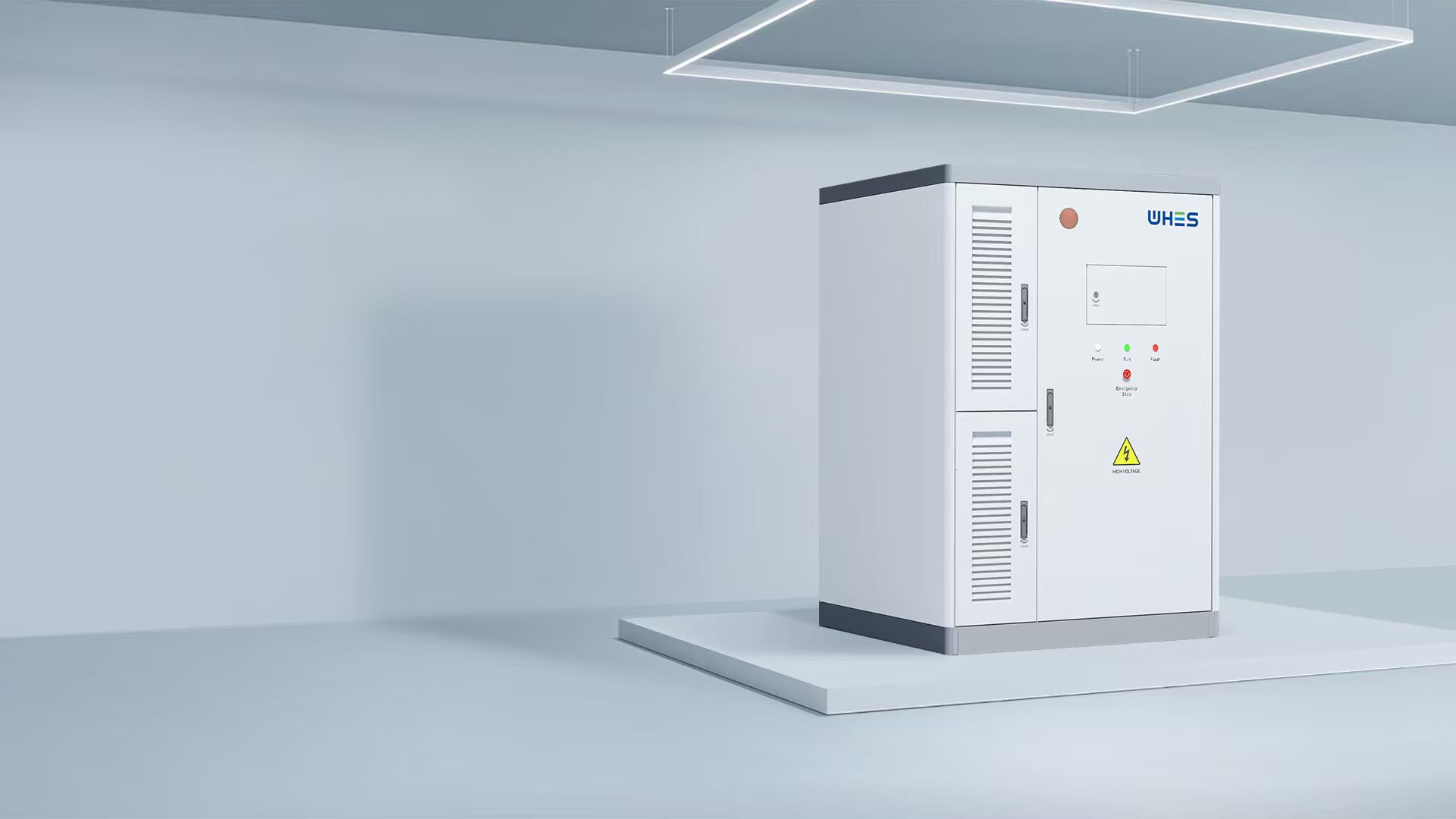
You want a battery that wastes as little energy as possible and doesn’t overheat on hot summer days. Simple ask, messy trade-offs. High round-trip efficiency (RTE) improves yield from PV but some chemistries and pack designs that push RTE can be thermally sensitive. If you’re sizing systems for home backup or a small microgrid, this mismatch becomes critical — especially after grid-safety events like California’s Public Safety Power Shutoffs in 2019–2020, which made resilience a planning imperative. For many teams the practical answer is an all in one energy storage system that bundles inverter, BMS, and thermal design, but you still need to spec it right.
Why RTE and thermal stability conflict
Round-trip efficiency (RTE) measures how much energy you get back vs. what you put in. Aim high — 90%+ if you can — but here’s the snag: pushing for higher RTE often means tighter cell chemistry tolerances and denser pack designs. Those increase heat generation under charge/discharge or fast cycling. Thermal issues cut cycle life, risk thermal runaway in extreme cases, and force derating in hot climates. So it’s not just an efficiency number — it’s a reliability vector.
Key specs to compare (quick checklist)
Look for these when evaluating systems or components:
- Nominal RTE at your expected C-rate (don’t rely on lab idle values).
- Operating temperature range and thermal derating curve.
- Cycle life at the realistic depth of discharge (DoD) you’ll use.
- Battery management system (BMS) features: cell balancing, thermal thresholds, and firmware update path.
- Cooling method: passive air vs. active liquid cooling and their maintenance needs.
Modeling performance: simple rules that work
Run two scenarios: everyday cycling (PV daily charge/discharge) and edge events (prolonged backup or high-rate discharge). Use manufacturer RTE numbers at your expected C-rate and the thermal derating curve to estimate usable capacity on hot days. Don’t forget state of charge (SoC) strategies — keeping cells between 20–80% can dramatically extend life, but reduces available capacity. Model both energy throughput (kWh) and lifetime throughput (kWh until warranty EoL) to compare vendors meaningfully.
Design choices and the trade-offs
Cell chemistry: NMC and LFP are common. NMC often gives higher gravimetric energy and good RTE; LFP wins on thermal stability and calendar life. Pack layout: tighter modules improve packaging and RTE but worsen heat removal. Cooling: active liquid cooling stabilizes temp under heavy use but adds complexity and failure modes — while passive cooling is low-maintenance but limits peak power. Choose based on use case: frequent deep cycles vs. occasional backup.
Common mistakes teams make — and how to dodge them
They over-emphasize headline RTE without matching it to real duty cycles. They assume ambient temperature is “room temp” — nope, roof-top or garage temperatures regularly hit 45°C+. They also skip integration tests with the actual inverter and charge controller — mismatch in charge algorithms can raise cell stress. Quick fixes: insist on an on-site soak test, demand supplier-provided derating curves, and require BMS telemetry during commissioning — this avoids surprises later. —
When an integrated product makes sense
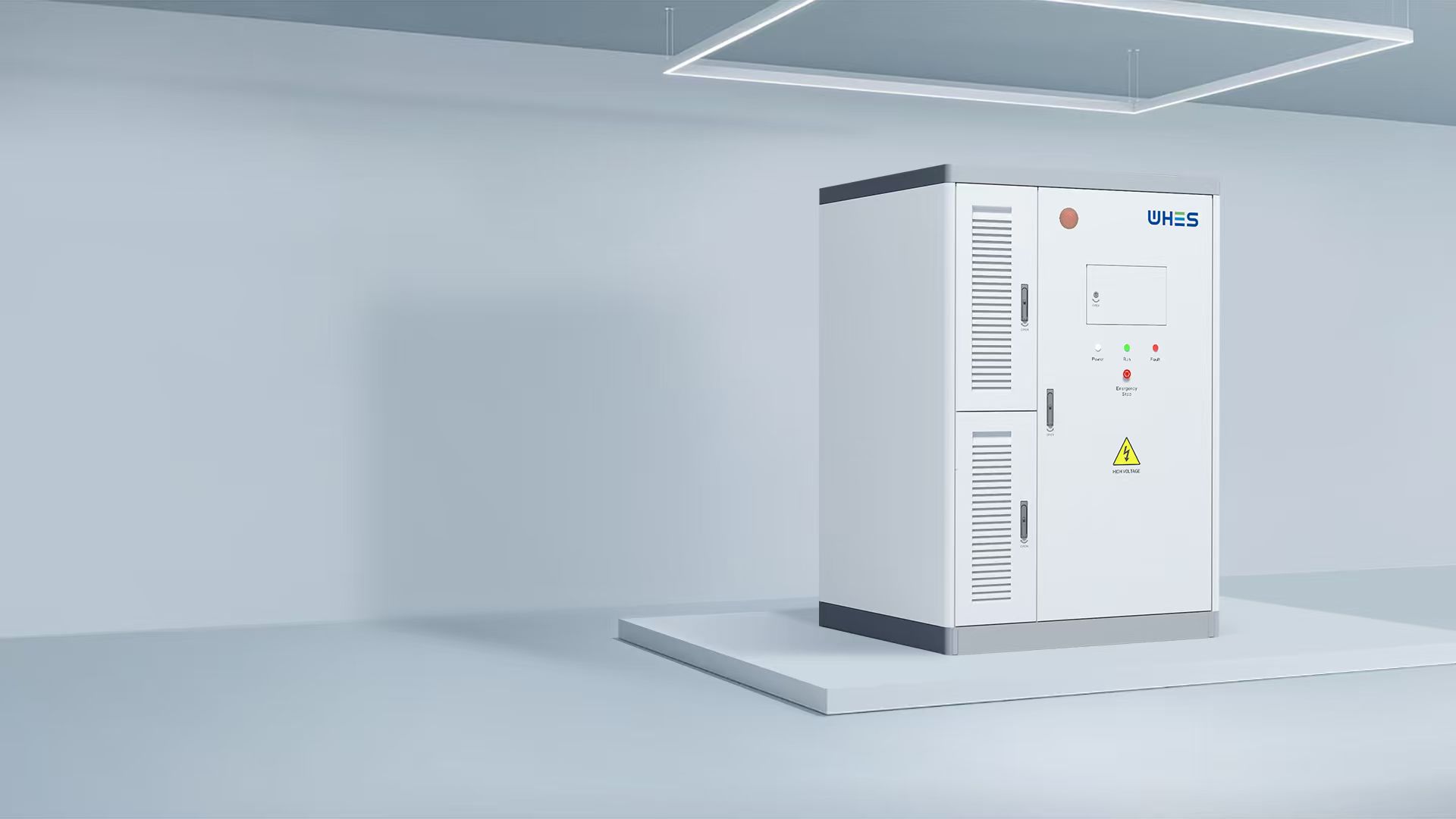
If you want predictable performance with less engineering overhead, an integrated solution helps. An all in one energy storage product centralizes BMS, inverter, and thermal hardware, so the vendor handles control logic and thermal validation. That simplifies commissioning and often yields better real-world RTE numbers at site because components are matched. It’s a strong play for commercial rooftops and community energy projects where installation simplicity and warranty clarity matter.
Quick case note (real-world anchor)
During the PSPS events in California, many homeowners prioritized systems that could run long and reliably, not just systems that touted the highest round-trip efficiency on paper. Systems with robust thermal controls and conservative SoC management delivered usable energy when it counted — showing resilience often beats marginally higher efficiency in stressful conditions.
Final recommendations — three golden evaluation metrics
1) Usable lifetime throughput: compare expected kWh delivered over warranty life (accounts for RTE, cycle life, and derating).
2) Thermal derating profile: choose a system whose capacity curve at your site’s peak ambient temp keeps enough headroom for your needs.
3) Integration maturity: prefer vendors with proven BMS/inverter pairing and field telemetry — you want real-world control loops, not lab promises.
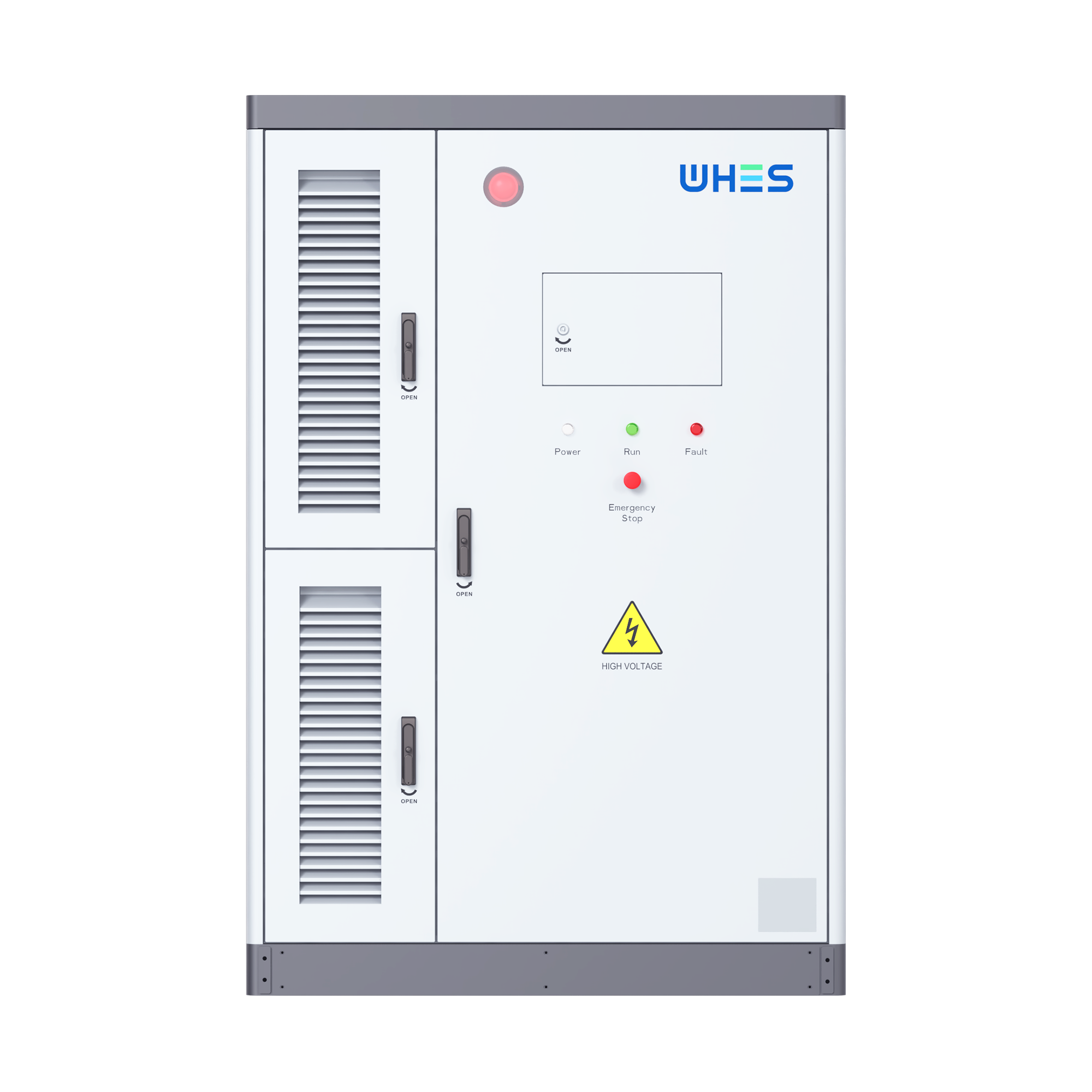
Use these metrics to cut through marketing and find solutions that match your real use case. For many projects that need turnkey reliability and validated thermal design, a vendor-backed integrated approach is the pragmatic route — and that’s exactly where WHES adds value as a systems partner. —

