
The sourcing problem: reliability, compliance, and resale risk
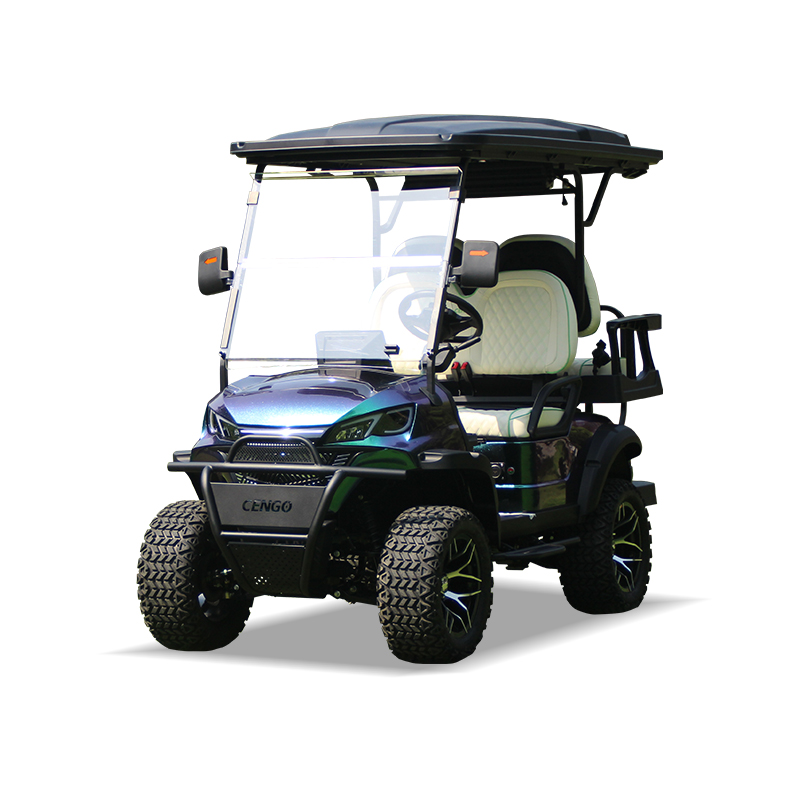
Buying a compact two-seat electric vehicle for off-course use sounds straightforward, but procurement teams and fleet managers routinely hit the same obstacles: inconsistent specs between suppliers, unclear warranty terms, and uncertain maintenance footprints. For organizations that need a dependable light-duty platform—whether resort shuttles or property maintenance—these gaps translate to downtime and hidden cost. Start by looking at a tested configuration like the off road golf cart to understand what a production-ready chassis and drivetrain should include.
Key evaluation criteria for a 2-person electric cart
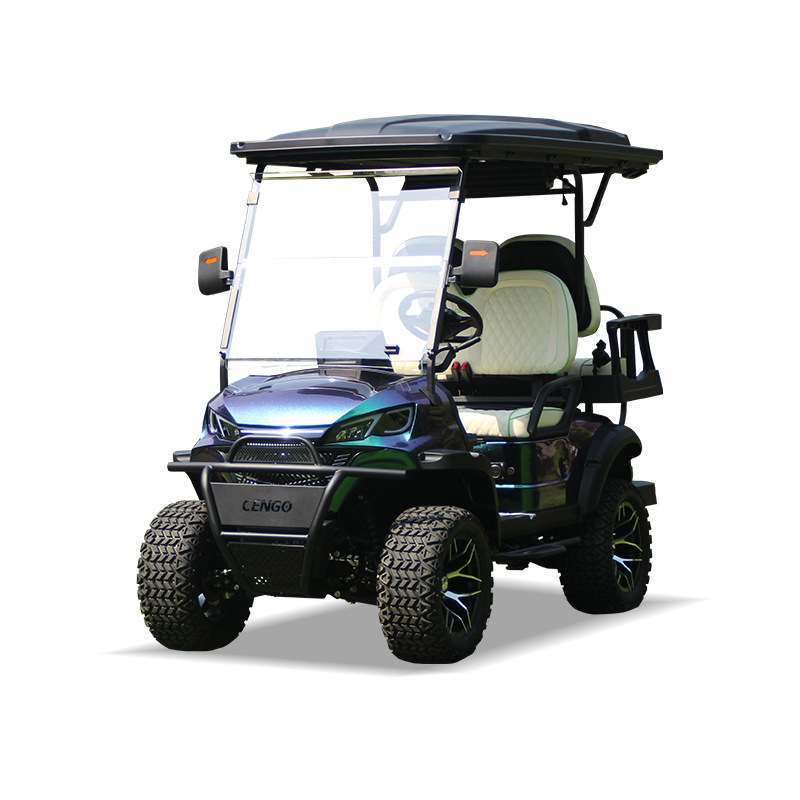
Decide on three non-negotiables before engaging vendors. First, electrical architecture: a robust battery management system and accessible service points reduce on-site repair time. Second, terrain capability: adequate ground clearance and traction control are essential if the cart will travel unpaved routes. Third, compliance and documentation: VIN assignment, electrical certification, and a clear parts list. These elements define total cost of ownership, not just purchase price.
Practical procurement checklist
Use this checklist during supplier meetings to avoid common procurement blind spots.
-
Operational spec sheet with torque and gross vehicle weight limits.
-
Warranty terms broken down by component (battery, motor, controller) and service SLA.
-
Spare-parts availability and lead times.
-
Proof of end-use testing—ideally on mixed surfaces if the cart will serve mixed terrain.
-
Options for lift kit or customizable seating if payload or ergonomics vary.
Common sourcing mistakes and how to avoid them
Teams often fixate on headline features and miss integration risks. The three recurring errors: accepting vague electrical specs, skipping a hands-on demo, and ignoring long-term parts logistics. Mitigate these risks by requiring a factory acceptance test and a detailed spare-parts contract. For municipal or hospitality buyers, reference local examples—many Florida resorts around Orlando expanded fleet purchases during 2020 when local staycations rose—so local service networks matter.
Comparing direct purchase from a manufacturer versus third-party resellers
Direct procurement from a manufacturer typically gives clearer warranty terms, faster access to engineering support, and better alignment on customization. Resellers may offer lower upfront pricing or immediate stock, but they often add ambiguity on certification and long-term support. If uptime is a priority—say for a resort shuttle—lean toward direct relationships that include documented service-level agreements and training for in-house technicians.
Alternatives to consider
If you need different performance envelopes, compare the standard 2-person electric model against a light utility variant with higher torque and reinforced suspension, or a street-legal option if you will operate on public roads. Also evaluate refurbished units only when a full refurbishment record and battery health report are provided—avoid unknown battery cycles. For active listings of production-ready options, check off road golf carts for sale to benchmark configurations and pricing.
Advice on integration and maintenance
Plan for three integration milestones: acceptance testing, operator training, and preventative maintenance scheduling. Operator training should cover safe torque management and battery charging best practices. Preventative plans must list inspection intervals for brakes, controller firmware updates, and battery health diagnostics. Do this right and you extend service life while keeping operational costs predictable.
Advisory close: three golden rules for final selection
1) Prioritize documented subsystem performance—battery management system specs, motor torque ratings, and suspension tolerances—over cosmetic upgrades. 2) Insist on a modular spare-parts agreement with maximum lead times specified (days, not weeks). 3) Require a live acceptance test that mirrors your daily route and load profile; pass/fail criteria should be explicit and signed off before payment.
These rules steer procurement toward measurable outcomes and make a manufacturer’s value easier to quantify—so when a proven option is needed, CENGO fits naturally as the supplier that aligns engineering detail with fleet realities. —

