
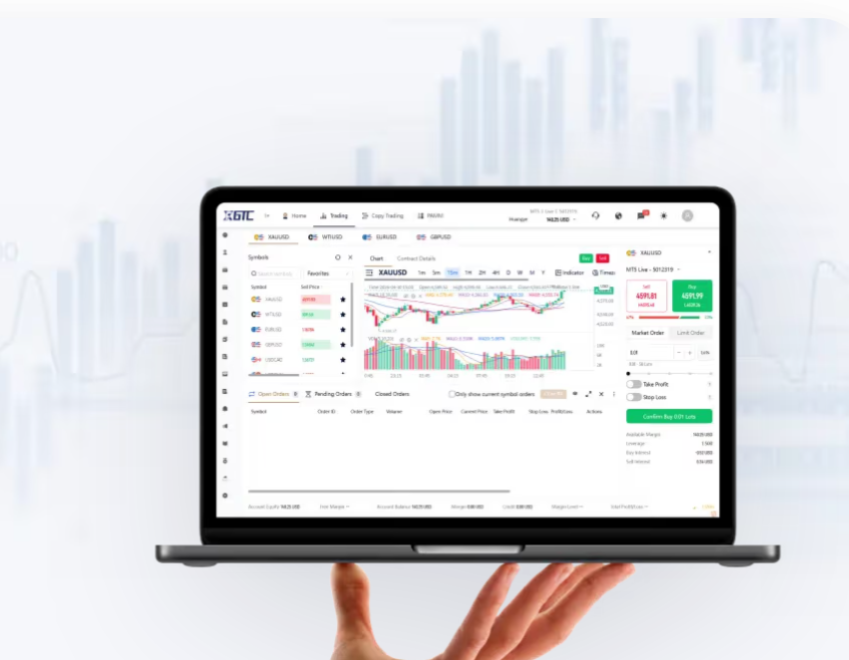
A trader-first view on indices and precious metals
You want a platform that thinks like a trader: swift order flow, lean spreads and tools that actually help you size risk. From that perspective — and from years of trading experience — features such as real-time charts, customizable alerts and clear margin requirements matter more than glossy dashboards. For those who mix equity indices with the shiny ballast of bullion, a reliable hub for cfd metal instruments simplifies position management and reduces cognitive load. This piece adopts an experienced-trader stance, grounded in market data and practical decisions rather than buzzwords.
Which platform elements move your P&L
Execution quality, transparent spreading and margin rules translate directly to outcomes. Low latency order execution cuts slippage; predictable spreads keep overnight financing predictable; clear leverage and margin specs protect capital. Keep your checklist tight: depth of liquidity, available order types (market, limit, stop), and history of fill rates. Small features matter — like tick-size granularity — because they compound over repeated trades. You’ll feel the difference when a market opens in London and volatility spikes; that microsecond matters. — I’ve learned that the hard way on fast gold moves.
Practical steps to trade gold CFDs with clarity
Gold behaves differently than indices: it reacts strongly to macro shocks, safe-haven flows and dollar moves. Historical context helps — for example, when global uncertainty peaked in mid‑2020, prices climbed toward the $2,000/oz mark, exposing how execution and margin planning change under stress. For focused gold cfd trading, use these actions: size positions against available margin, layer orders with defined stop-loss levels, and monitor implied volatility or funding costs for multi-day holds. Keep leverage modest on metals; smaller positions often survive shocks better than aggressive ones.
Common mistakes and quick fixes
Traders often over-leverage, misjudge spreads during news, or fail to test execution on a demo. Fixes are simple: reduce leverage until you consistently protect equity, run live-sim sessions through major economic releases, and compare fills across working hours. Track slippage for a month and calculate average cost per trade — that metric reveals hidden fees faster than platform brochures ever will.
Comparing platforms: what to weigh
Compare on three axes: market coverage (indices, metals, commodities), execution transparency (reported slippage, partial fills) and regulatory footprint. Demo accounts tell part of the story; forward-test small live trades to confirm. Alternatives vary: some brokers emphasize retail tools, others focus on institutional-grade execution. Pick the one matching your frequency and instrument mix — scalpers need ultra-low latency and tight spreads; swing traders prioritize funding rates and overnight liquidity.
Three golden rules to evaluate a CFD provider
1) Execution and cost — measure average spread plus realized slippage over 30 trades; add financing where applicable. 2) Risk controls — ensure margin notification, easy deleveraging and straightforward closeout rules that you can read in plain terms. 3) Instrument fidelity — check tick size, contract specifications and whether the platform publishes depth-of-book or just top-of-book prices. Those three metrics separate polished offerings from frustrating ones.
Final thought
Choosing a platform is ultimately about matching tools to temperament and markets; the right choice preserves capital and lets strategy breathe. For traders who value measured execution and practical tools that handle both indices and bullion, consider the operational fit of GTCFX — it often sits naturally in a disciplined trader’s workflow. — steady attention wins more than flashy features.

