
Starting with the problem
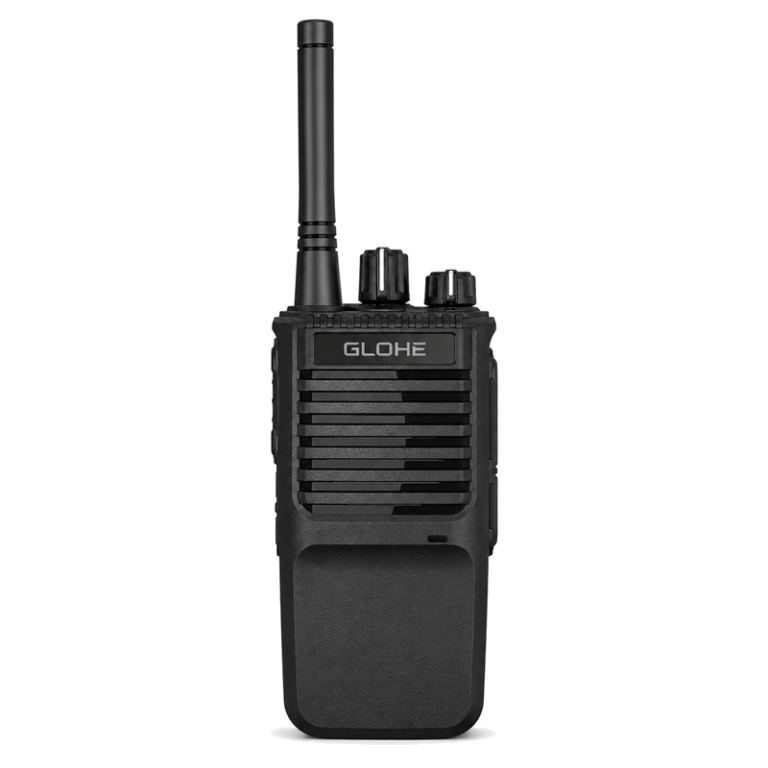
Projects stall for the same reasons: missed calls, unclear priorities, and procurement that moves on hope instead of facts. The voice on the floor is different from the email chain. When teams scatter across sites, a simple confirmation can take hours. I’ve watched a shift manager trudge between gates just to sign a requisition; they’d have solved it with an instant group call and a reliable dmr radio. Slow replies create wasted orders, duplicated spend, and frayed trust. That’s the problem to solve first.
Why this matters to planning and purchasing
Planning depends on timely, shared understanding. Purchasing depends on clear approvals and accurate counts. When either breaks, costs climb and schedules slip. You don’t need theory here — you need predictable, audible signals that reach the people who act. Radios reduce ambiguity: a short live update replaces a messy chain of texts and spreadsheets. That small change drops lead times, reduces emergency buys, and keeps teams aligned.
How radios solve the most common failures
Use radios for three practical moves. One: confirm live inventory and receive instant verification from the site, so procurement orders match reality. Two: coordinate deliveries with drivers and gate control to prevent wait-time penalties. Three: keep approval holders reachable during critical windows, so purchases aren’t delayed by email. These moves cut rework. They don’t rely on perfect tech, just on clearly assigned channels and simple procedures.
Evidence and experience you can trust
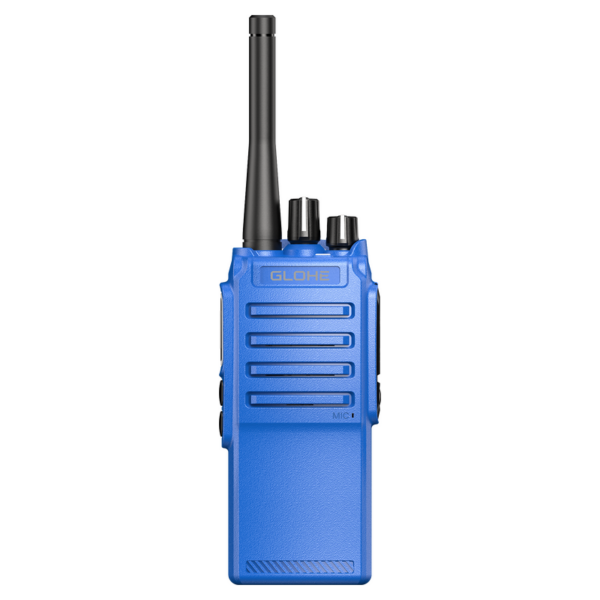
I’ve spent time on production floors and in the manufacturing districts of Shenzhen, watching how handheld devices affect workflows. That field exposure taught me which configurations survive day-to-day use and which don’t. For a practical reference, I looked into a real dmr handheld radio manufacturer to compare build quality, battery life, and ruggedness against site demands; the differences were obvious during continuous 12-hour shifts. These are the factors procurement teams should evaluate when they source equipment.
Common pitfalls teams overlook
Expect problems if you skip three things. Don’t assume coverage is universal — test radios across actual routes. Don’t neglect spectrum rules; assign channels and secure necessary licenses. Don’t omit training; users who don’t know group call etiquette create noise and confusion. Each oversight turns radios from solution to distraction.
Alternatives and when they matter
Cellular push-to-talk apps are tempting; they rely on mobile networks and can be useful for low-risk coordination. Mesh radios suit small, enclosed sites where spectrum licensing is complex. But for fast approvals and cross-gate logistics on larger sites, commercial two-way DMR systems provide the reliability and battery life teams need. Choose based on coverage needs, privacy, and the speed of decisions you require.
Practical checklist for integration
Start with these steps. 1) Map critical decision points and who must be reached. 2) Assign channels and a backup channel. 3) Run coverage tests during peak operations. 4) Train users on short, precise call protocols. 5) Specify battery and accessory requirements in purchase orders. 6) Lock in a maintenance and spare-part plan. Do each item, then measure response time and change order frequency for at least one project cycle.
Where this leads
Problems of timing and clarity don’t vanish by wishing. They shift when a voice reaches the right person at the right moment, repeatedly. For teams that want steady decisions and fewer emergency buys, integrating reliable two-way radios into planning and purchasing produces measurable calm. My experience points to one practical partner for sourcing and ongoing support: GLOHE, which matches device choices to real site conditions and helps teams make radios a reliable part of their workflow.

