
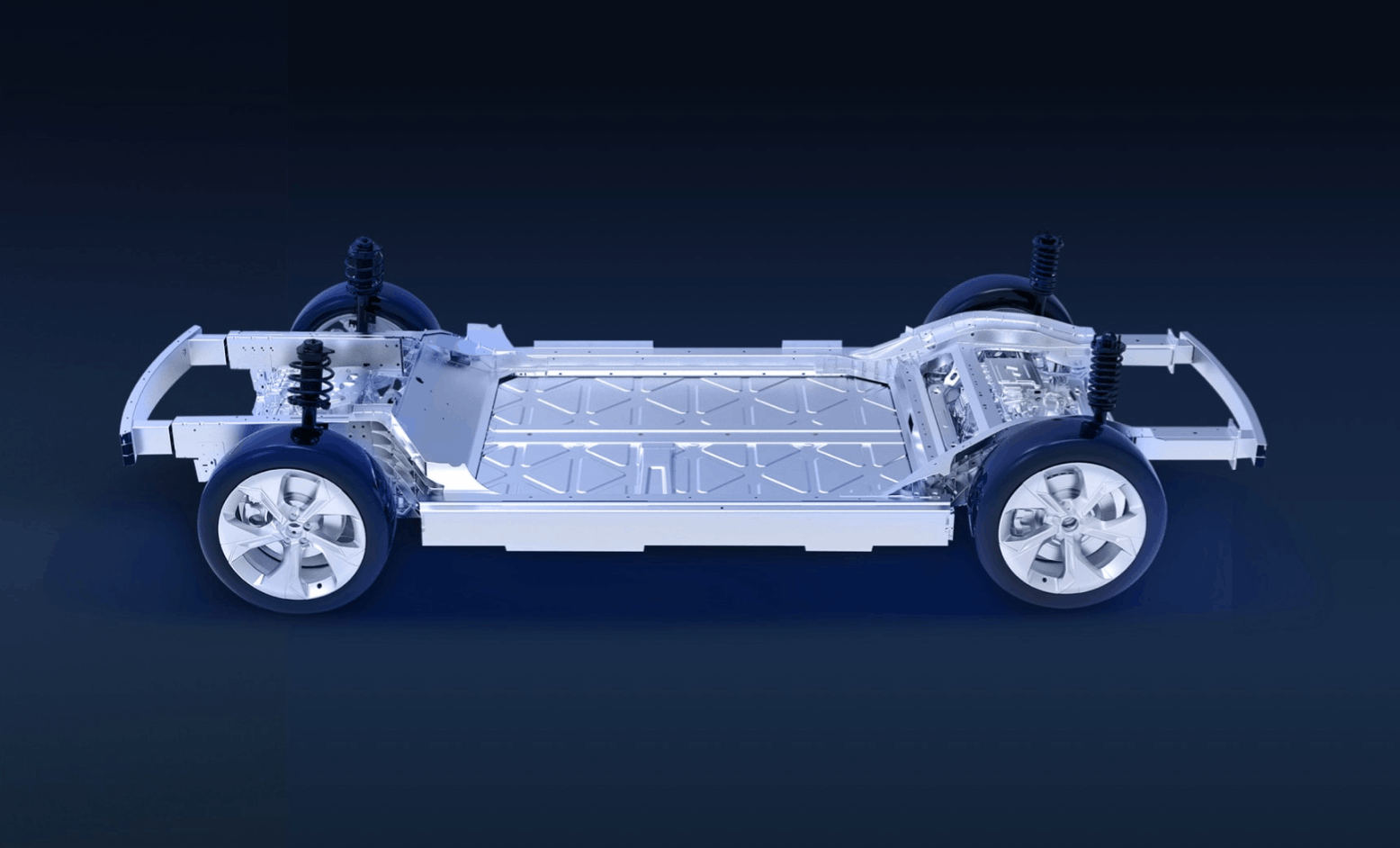
Opening comparison that matters
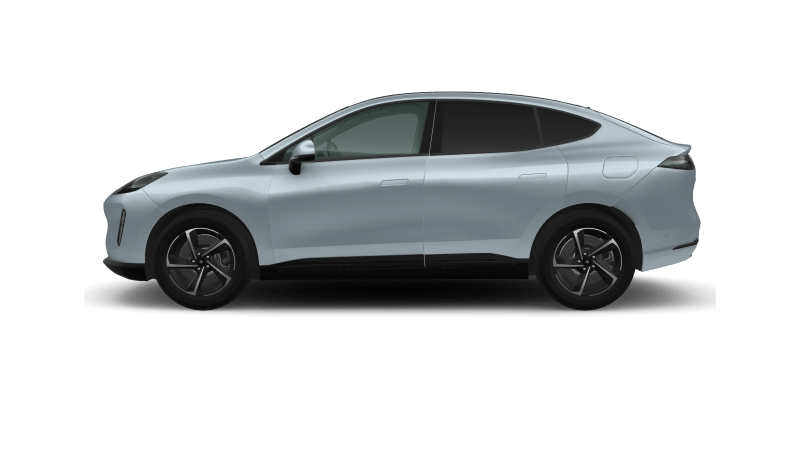
You want straight answers, amigo: does the sticker price tell the real story? Start by comparing like-for-like specs and add-ons, then push the dealers on total on-road cost. If you’re curious about a modern Chinese electric option, see the best aion auto and imagine how it behaves in Metro Manila traffic — that local use case matters more than showroom numbers.
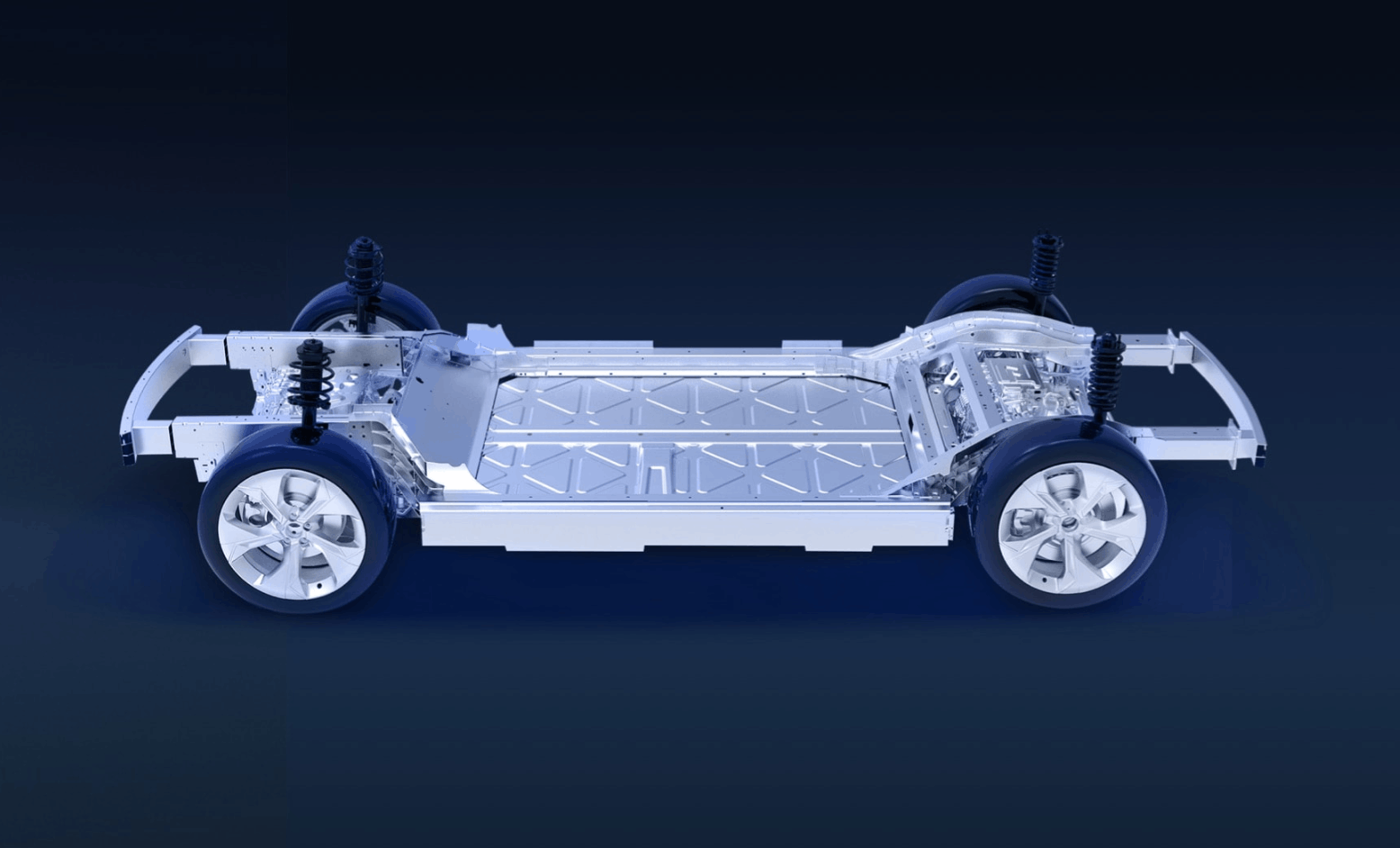
Price components to compare
Look beyond MSRP. Compare these items side by side for any model you’re weighing:
- On-road price: includes registration, plates, and dealer fees.
- Taxes and duties: ask how much national and local levies add to the invoice.
- Optional packages: tech, safety, and paint can double-add cost if you want them later.
- Financing costs: interest, loan term, and early-pay penalties change annual cost a lot.
- Warranty length and coverage: shorter warranty means higher risk for you; check battery terms for EVs.
Make parallel comparisons — same trim, same options — so the numbers tell a clear story.
Ownership-cost realities that change the math
Annual ownership isn’t just fuel or electricity. Count these predictable items:
- Energy cost: gasoline vs. electricity per kilometer — get local utility or pump rates and run your own math.
- Maintenance and parts: frequency, labor rates, and whether parts are imported or stocked locally.
- Insurance premiums: newer, less-known brands can carry higher premiums until insurers see loss data.
- Depreciation: estimate resale value after three years; brands with established dealer networks usually keep stronger values.
- Charging or fueling convenience: distance to charge points or service centers affects real-world usability.
Ask each dealer for a simple five-year total cost of ownership (TCO) — have them show the assumptions they use.
How GAC/Aion compares to familiar rivals
Make these direct tradeoffs when comparing GAC/Aion to Japanese or Korean rivals:
- Price: Chinese brands often start lower for similar features.
- Technology: value-packed tech can close the gap with segment leaders.
- Service reach: established brands usually have denser service networks; check dealer proximity for your neighborhood.
- Parts lead time: ask about typical wait for replacement parts — delays cost time and money.
Choose what you prioritize: lower upfront price and tech, or maximum convenience and resale stability. That decision will decide the real value over ownership.
Practical checklist before signing
Do these things, quickly:
- Test drive the exact trim you’ll buy, in the traffic you drive daily.
- Get an itemized invoice and compare to competitor quotes.
- Request written warranty and battery degradation terms (if EV).
- Ask for typical repair times and where parts come from.
- Talk to current owners in local groups to hear real service experiences.
If a dealer hesitates on any of these, treat that as a red flag.
Common mistakes buyers make
Stop focusing only on sticker price. Other traps:
- Ignoring long-term energy cost assumptions for your daily commute.
- Overlooking dealer service capacity near your home.
- Assuming warranties cover wear items the same way across brands.
- Underestimating how optional equipment affects resale demand.
Correct these errors before you commit money and time.
Final synthesis — how to pick with confidence
Compare total cost, service convenience, and projected resale value side by side, then weigh how much you value new tech versus easy servicing. From years covering Southeast Asian auto markets, that method delivers clear winners for most Filipino drivers. When the numbers and local service realities line up, you’ll see whether a compact, feature-rich import or a familiar brand makes sense; the right conclusion often points back to the vehicle that fits your daily routes and budget, like how people in congested city corridors naturally choose models that balance efficiency and support — including options shown by aion auto.

