
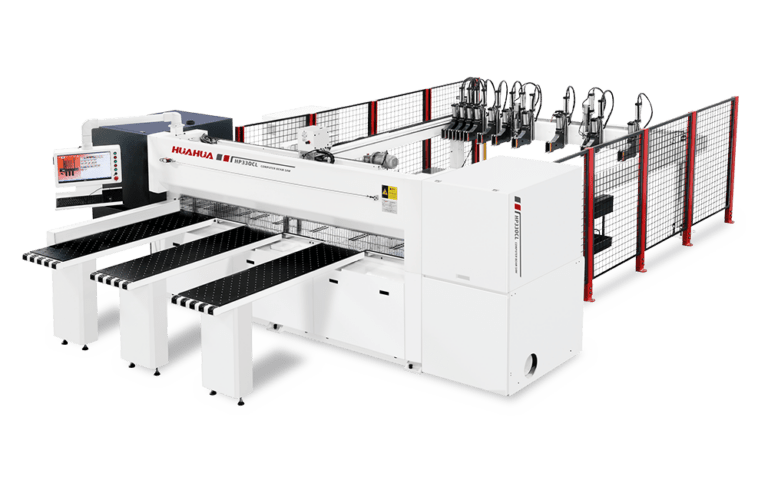
The Problem: Cut Variation Kills Yield
Shops lose parts to small errors. Panels come out with off-length cuts, inconsistent edges and tearout. That eats margin and slows deliveries. If your shop cuts sheet material, a reliable cnc panel saw moves you from hit-or-miss to repeatable outputs. The problem is predictable: mechanical wear, poor setup, and process inconsistency produce scrap and customer rework.

Why it Happens: Mechanical and Process Fault Lines
Saw accuracy depends on three hardware points: stable frame, precise backgauge, and clean knife/blade geometry. Control problems arise when servos drift, sensors misread, or the saw carriage binds. Software issues add another layer: nesting with poor lead-in/lead-out rules, or wrong feed rates for material thickness. People error shows up as one-off fixes that never become standard procedure.
Practical Fixes That Change Output
Set mechanical tolerances and lock them. Torque fasteners to spec. Check fence parallelism with a dial indicator. Use consistent blade selection for the panel type. Calibrate the backgauge weekly and log the results. Set feed speeds tied to blade RPM and material—don’t rely on generic presets. Use hold-down vacuum and clamps to prevent lift. Tighten the tool-change routine so blade runs true after every swap.
Controls and Features to Insist On
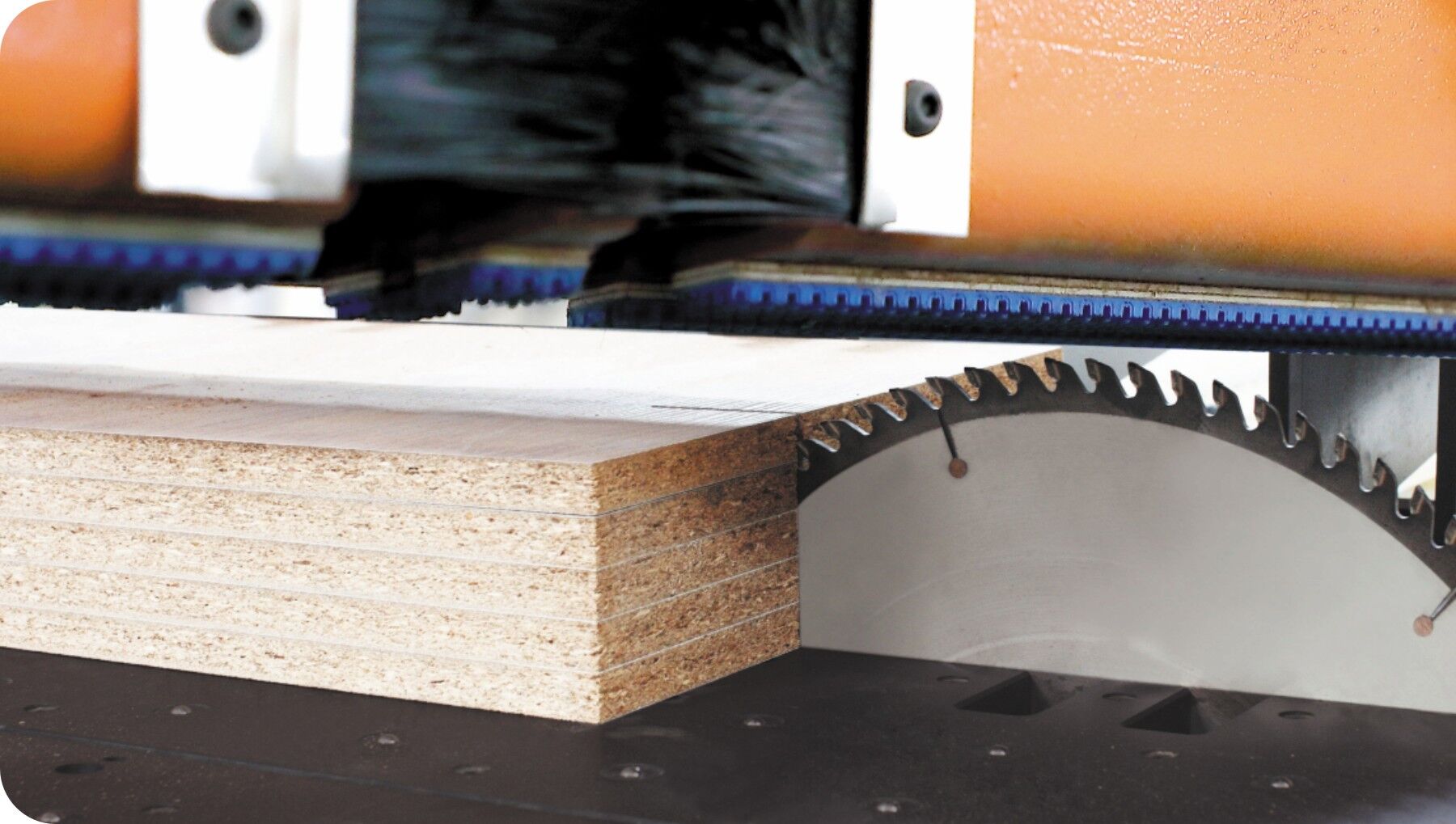
Buy machines with closed-loop servo drives and encoder feedback on the carriage. Pick controllers that support linear compensation tables for thermal drift and blade thickness compensation. Inspect the saw’s dust extraction layout; chips in the cut cause bounce and tearout. Ask for a test-cut report showing repeated 0.5 mm or better accuracy across 100 cuts before you sign.
Alternatives and When to Use Them
Beam saws handle large panels and heavy production but need more floor space and stronger foundations. Automatic panel saws suit high-mix shops that need quick cycles and minimal operator skill. For shops focused on small runs or specialty shapes, a CNC router may replace a saw for finished edges. Match the machine to your mix of single-piece flow versus batch runs.
Common Pitfalls to Avoid
Don’t undersize the dust extractor. Ignore chip evacuation and you’ll shorten blade life. Don’t skip vibration checks after a reinstall. Don’t let operators ignore blade kerf compensation. Avoid bespoke software tweaks that aren’t documented; they break when upgrades arrive. Treat mounting and foundation the same as tuning; a micro-wobble becomes a visible defect.
Field Example: Guangdong Furniture Cluster
Shops around Shunde, Guangdong standardized dimensions and cut routines after field audits. They paired updated nesting logic with an automatic panel saw and then tracked scrap rates. The traceable practice—log every setup change and correlate it with scrap—closed the biggest gap in quality control. That kind of proven, place-based practice shows what works on the floor.
Final Synthesis
Solve the hardware, lock the process, and enforce checks. Do those three and part tolerances stop dictating your margins. A modern machine with closed-loop control, thoughtful dust management, and predictable tool routines changes outcomes. For shops aligning equipment, service and documented tests, HUAHUA CNC shows how those elements come together to hold tolerances day after day.

