
Problem: Intermittent power and rising operating costs
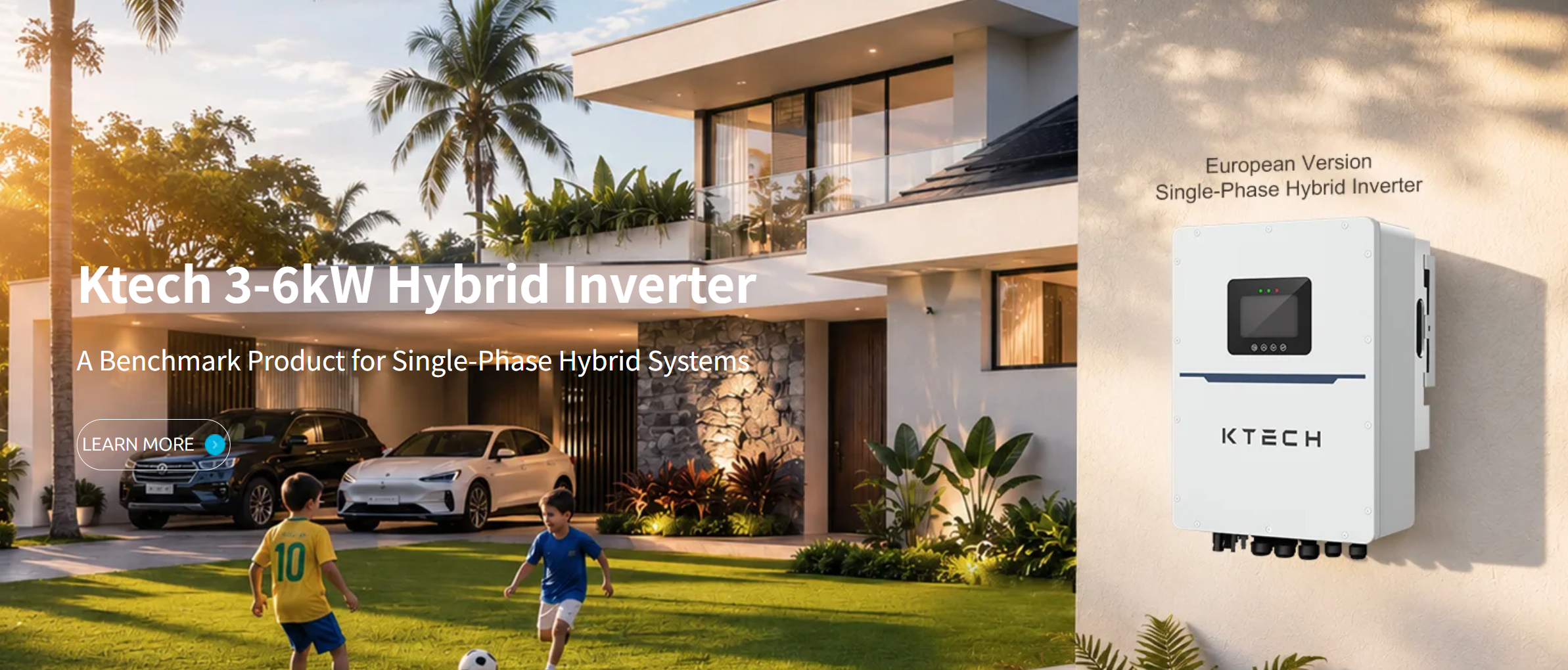
Frequent outages, unpredictable utility rates, and the need for reliable backup create clear risks for households and small businesses. A hybrid solar system addresses those risks by combining solar generation with energy storage and grid interaction; readers often find practical examples on ktech ess that illustrate system layouts and component options. Owners who depend on refrigeration, point-of-sale systems, medical equipment, or remote monitoring face interruptions that cost time and money; solving those problems is the primary driver for adopting hybrid setups.
What a hybrid solar system does, in plain terms
A hybrid solar system produces electricity from photovoltaic panels and routes surplus power into batteries while still allowing the site to use the grid. It manages three tasks at once: supply during normal conditions, storage for demand shifts, and seamless backup when the grid fails. For people evaluating options, comparing off-grid, grid-tied, and hybrid solar solutions shows how hybrids balance autonomy with cost and regulatory simplicity.
How the system solves specific problems
Key problem-to-solution pathways:- Outages: batteries provide instant, local backup power for critical circuits.- Peak charges: stored solar can be discharged during peak utility periods to reduce demand bills.- Grid dependence: hybrids can export excess power when allowed, then draw down storage when pricing or availability changes.- Space constraints: modular battery systems let small sites expand capacity gradually without replacing the PV array.
Core components and practical considerations
Essential parts are PV panels, a hybrid inverter/charger, a battery bank, a monitoring system, and safety hardware. Practical considerations include:- Inverter capability: must handle seamless switch-over and support export/import rules.- Battery chemistry: lithium-ion offers higher cycle life and compact size; lead-acid costs less up front but needs more space and maintenance.- Sizing: size the battery to cover critical loads for the desired outage duration rather than total building load.- Permitting and interconnection: follow local codes and utility requirements to avoid delays.These choices determine reliability, lifecycle cost, and the quality of backup power.
Real-world anchor and why it matters
Regions such as California have experienced repeated utility shutdowns during wildfire seasons, which has pushed many homeowners and small operators to adopt hybrid systems specifically for resilience. That regulatory and climate-driven pressure changed procurement priorities: resilience now ranks alongside cost savings when stakeholders evaluate system specifications and vendor proposals.
Common pitfalls and how to avoid them
Pitfalls to watch for:- Oversizing panels without adequate battery capacity leads to wasted generation.- Underspecifying the inverter prevents safe critical-load switching.- Ignoring thermal management for batteries shortens life.- Neglecting a clear priority list for loads means non-essential circuits consume backup power.Avoid these by defining critical loads, planning for realistic outage durations, and verifying inverter-battery compatibility before purchase.
Alternatives and simple comparisons
Comparison snapshot:- Grid-tied without storage: lowest capital cost, no backup during outages.- Off-grid: full independence, higher cost and maintenance burden.- Hybrid: middle ground — retains grid benefits while adding resilience and demand management.Choose based on acceptable risk, budget, and operational needs rather than vendor claims alone.
Implementation steps for homeowners and small businesses
Recommended sequence:- Audit: list critical loads and measure their consumption.- Goals: set backup duration and savings targets.- Design: select PV, batteries, and inverter sized to the audit and goals.- Permits: secure local approvals and utility agreements.- Commissioning: test transfer behavior and monitoring before relying on the system.Document performance metrics from the start so future adjustments are evidence-based.
Conclusion: practical value delivered
When outages and costs are the problems, a hybrid solar system offers targeted remedies: continuous coverage for essential loads, reduced exposure to peak pricing, and a staged investment path. Systems that are sized sensibly, installed to code, and paired with clear load priorities deliver measurable reliability and predictable operating costs, a result many installers and owners appreciate after direct experience. The measured expertise behind those deployments is what firms like Ktech bring into project planning and long-term support.

