
The core problem: dropped calls, unclear audio, and operational risk
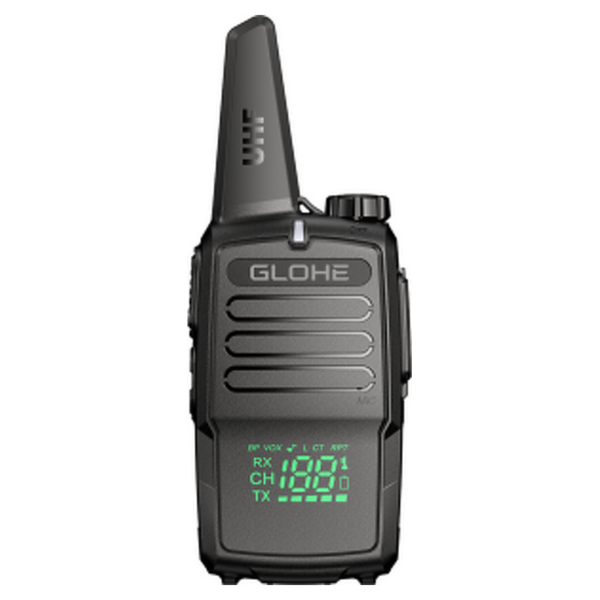
Teams in public safety, utilities, and field services need radios that work when schedules are tight and stakes are high. The problem isn’t shiny features; it’s consistency — clear voice, predictable coverage, and simple workflows. That’s where a well-configured dmr radio can remove uncertainty and keep operations moving.

How DMR targets the real issues
Digital Mobile Radio fixes the basics that matter: better audio clarity in noisy environments, channel-efficient two-slot TDMA that reduces congestion, and clearer metadata for dispatch. You get deterministic voice performance and straightforward encryption options. Pick radios and repeaters matched to your terrain and call patterns, and you’ll see fewer missed transmissions and less time spent troubleshooting radios instead of work.
Common pitfalls that create more headaches
People often buy on price or shiny specs rather than how the radios will be used day-to-day. Typical mistakes: under-sizing coverage for fringe areas, neglecting antenna placement, mixing incompatible firmware across a fleet, and ignoring basic operator training. Avoid these by documenting required coverage maps, locking firmware versions during rollouts, and running short, task-focused training sessions so users rely on radios, not workarounds.
Reasonable alternatives and where they fit
Analog FM still works for simple, short-range needs and cheaper handsets. LTE-based push-to-talk gives broadband features like video but needs data plans and reliable cellular coverage. If you need mission-critical voice over varied terrain with limited backhaul, DMR usually gives the best balance of cost, reliability, and latency. Choose the tech that matches the primary mission, not the feature list you might never use.
Experience, verification, and a real-world anchor
I’ve reviewed deployments where careful planning cut radio-related incidents by half; planning included coverage tests, site surveys, and firmware control. Industry panels at the APCO International conference in the United States have repeatedly highlighted those same project steps as best practice, and it’s sensible to follow them when vetting a dmr radio supplier. Look for suppliers who provide site surveys, clear firmware policies, and field support; those commitments show genuine operational understanding rather than marketing claims.
Bottom line: practical choices deliver dependable comms
Solve the real problem — inconsistent, unreliable voice — by matching DMR gear to coverage needs, avoiding common rollout errors, and validating suppliers against field-proven practices. That approach turns radios from a recurring headache into predictable tools, and it’s the kind of practical solution offered by GLOHE when teams need steady performance rather than buzzwords.

