
Clear problem: when passive tags just don’t cut it
Warehouses lose track of forklifts, outdoor assets go missing after a storm, and cold-chain boxes need constant monitoring — you know how it is. People expect visibility, but passive tags fail where range, real-time updates, or on-board sensing matter. For projects that need persistent reads and stronger presence signals, consider switching gear and ordering RFID Labels that pair with active tags rather than hoping passive reads will save the day.
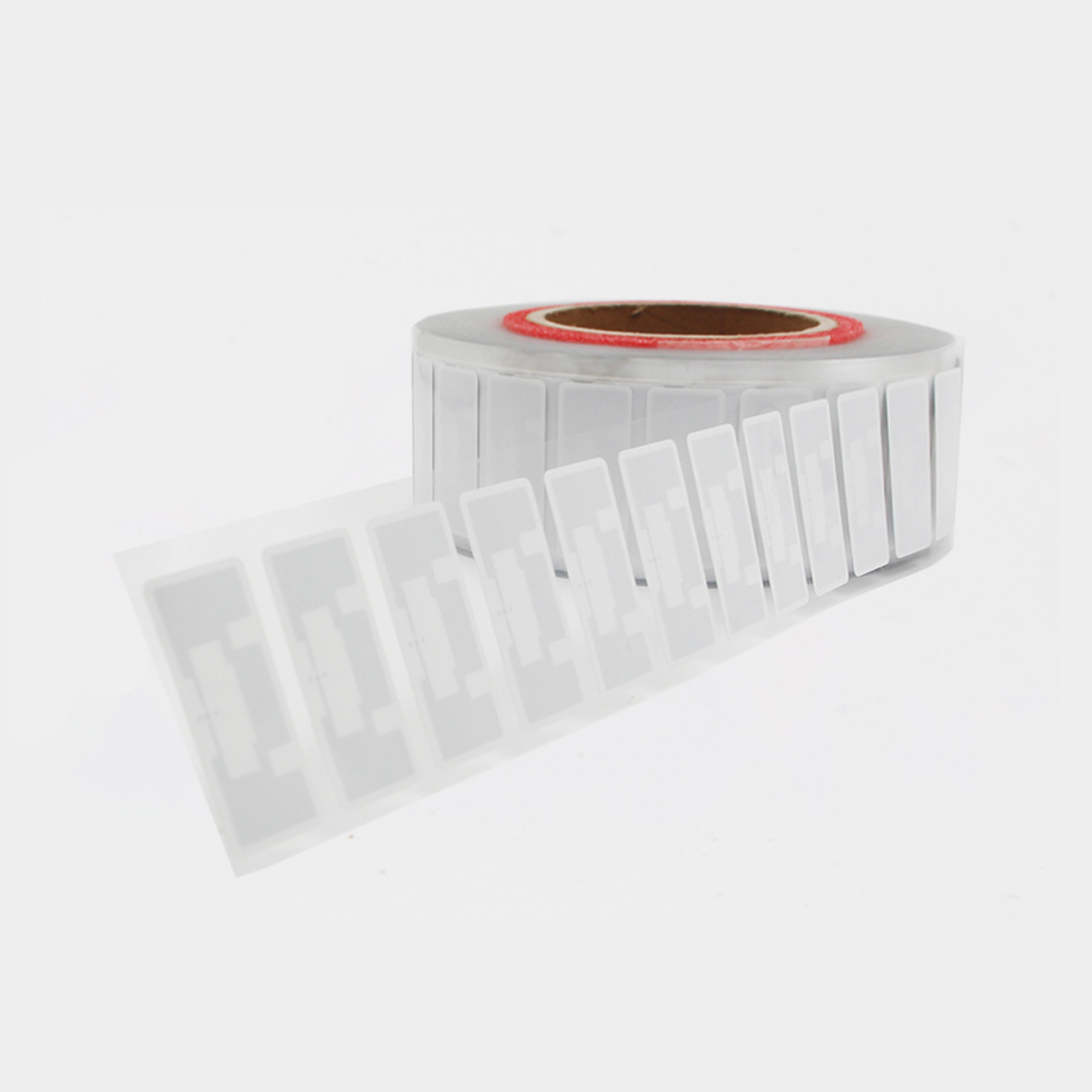
What active RFID tags actually fix
Active tags carry a battery and broadcast periodically. That gives reliable long-range reads, configurable beaconing intervals, and the option to add temperature or shock sensors. You get location certainty for moving equipment, instant alerts for unauthorized movement, and fewer missed reads in cluttered radio environments. Practically, that means fewer blind spots, less manual chasing, and measurements you can trust without guessing.

Experience, standards and one clear real-world reference
I’ve specified active-tag deployments for regional logistics teams and evaluated dozens of hardware options for clients across Ho Chi Minh City and Hanoi, so I speak from field experience. Industry tests and demonstrations at RFID Journal LIVE! and trials in major ports have validated printable tag workflows — the kind you can order as printable rfid labels that print barcodes and on-demand identification features while staying compatible with active readers.
Practical buying checklist — what matters when you shop
Prioritize read range versus battery life based on how often you need updates. Confirm frequency bands and local certifications; some deployments in Southeast Asia favor 433 MHz or 2.45 GHz for active systems. Check enclosure rating if devices face rain or solvents. Ask for sample reads in your environment before committing, and insist on reader-tag interoperability — open protocols beat closed ecosystems for future upgrades.
Common mistakes teams make
Buying top-range tags without testing placement is a waste. Underestimating battery replacement costs creates headaches. Forgetting firmware update paths locks you into outdated features. Also, pairing active tags with passive-only reader fleets causes gaps; align your readers and backend from the start so data flows cleanly.
Short comparison to alternatives
BLE beacons can handle proximity and smartphones well, but they often lack industrial survivability and standardized tag-read architectures. Passive UHF is cheaper per unit but fails at consistent long-range reporting. Hybrid setups—active tags for high-value assets and passive labels for bulk inventory—often perform best where budget and scale both matter.
Synthesis — what this buys you in plain terms
Buy active RFID tags when you need dependable, long-range identification and real-time status rather than intermittent scans. They stop you wasting time on manual checks, reduce asset loss, and give data you can act on immediately. If you want a supplier that ties readable, printable identification into robust active tracking, RSTC provides the hardware and label options to make the whole system behave the way your operations need it to — no fluff, just usable tracking.

