
Why this matters for your daily operation
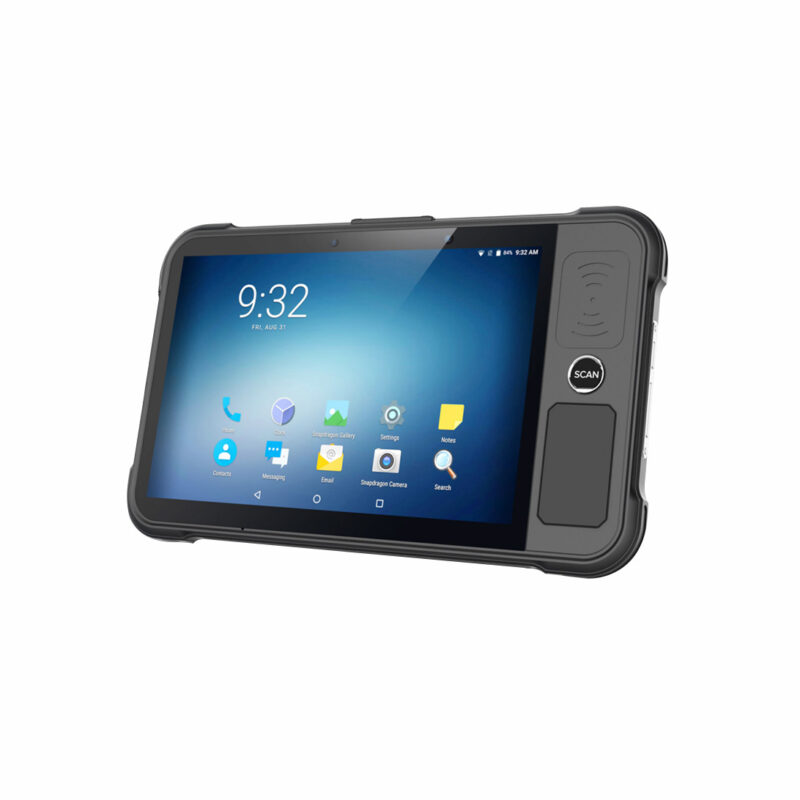
You want reliable tracking that answers simple questions: where is the item, and has its temperature been okay? An active RFID tag with a temperature sensor gives you those answers without constant manual checks. Pairing these tags with RFID Readers near docks, storage racks, or inside vehicles turns blind spots into data points you can actually act on.
How the tech behaves in real use
Active tags broadcast their ID and temperature at set intervals. That steady signal means you don’t have to rely on a person scanning a barcode or doing a thermal read. Expect a regular stream of timestamped locations and temp values; when those drift outside your set thresholds, you get a clear, actionable alert instead of a guess.
Where this approach helps the most
Think cold-chain shipments, perishable inventory, pharmaceuticals, and tech components sensitive to heat. Use the tags to verify that a pallet never exceeded its safe temperature during transit, or to detect a refrigeration fault in a storage bay before product loss climbs. It’s about preventing small problems from turning into inventory write-offs.

Common mistakes teams make
Don’t buy based on range claims alone. People install tags with long advertised range but place readers where signals drop (behind metal shelving, inside insulated containers). Also avoid polling tags too frequently without thinking about battery life; high-frequency reads drain batteries fast and create noisy data. Finally, ignore neither calibration nor environmental compensation—temperature sensors need verification against a known standard, and mounting location affects readings.
Simple setup checklist
Start with a pilot: pick a single lane of goods, outfit items with active temperature tags, and map reader positions so every tag has at least two good reads per monitoring cycle. Log data to a single dashboard first, then add rules: alerts at specific thresholds, delayed alerts for transient blips, and automatic tagging of events for audit trails. Keep batteries, firmware, and mounting methods in the process notes so mistakes don’t repeat.
Short comparison to alternatives
Passive tags: cheaper and maintenance-free but blind to ambient temperature and dependent on close scans. Data loggers: accurate but require recovery or wired offload. Active temperature tags sit between them — they cost more than passive tags but provide continuous, remotely readable environmental data without manual retrieval.
Experience, standards, and an industry touchpoint
I’ve worked alongside ops teams who follow ISO/IEC 18000-6C principles for air-interface consistency, which helps when you mix tag vendors and readers. Manufacturers clustered around Shenzhen supply many commercial readers and modules, and that regional scale shapes pricing and component availability — see rfid reader manufacturers in china for one supply channel tied to that ecosystem. That mix of standards familiarity and supplier density matters when you choose hardware that must keep running without constant field fixes.
When to choose active temp tags — and when not to
Choose them when you need continuous remote environmental monitoring and can support occasional battery swaps. Skip them if you have single-use shipments where a cheap disposable logger is more practical, or if budget forces high-density inventory tagging where passive RFID already suffices for location without temp data.
Final synthesis
For teams who need location plus environmental validation with minimal human checks, active RFID tags with temperature sensors deliver clear, usable data and faster decision-making. Implement them with careful reader placement, firmware control over reporting frequency, and verified sensor calibration, and you get a dependable trace of an item’s journey rather than fragmented guesses. That reliable trace is the practical value RSTC brings to operations that demand both location and temperature confidence.

