
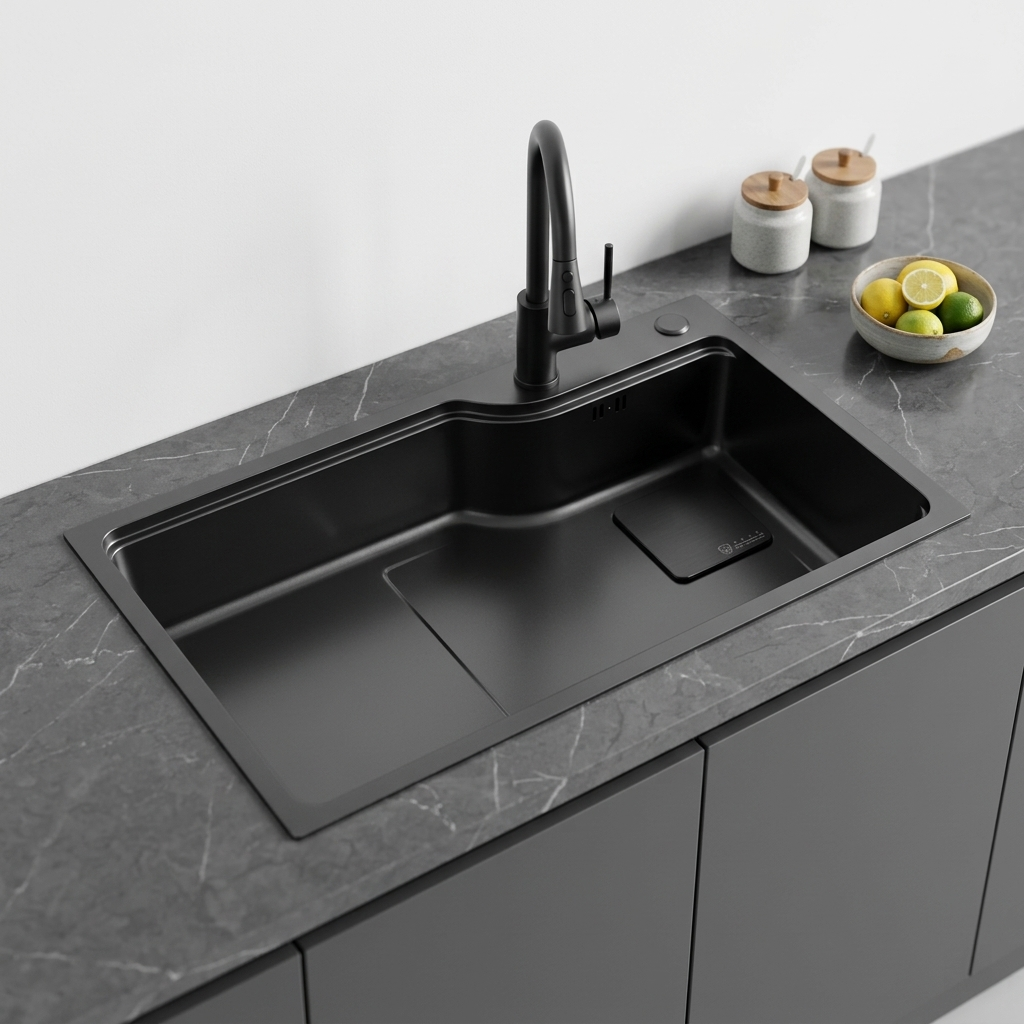
A Field Guide to Choosing the Right Stainless Kitchen Sink for Your Home
Think about how you use your sink
Please begin by observing everyday tasks at your sink: rinsing vegetables, soaking pans, or filling tall pots. If you wash large items often, a double kitchen sink can separate soaking from prep and keep counters cleaner. This user-centered view helps narrow choices quickly and politely saves time later.

Match bowl layout and depth to real habits
Decide whether two equal bowls, an offset arrangement, or one deep and one shallow bowl fits your routine. Deep bowls hold big cookware but can make rinsing awkward for short people; shallow bowls speed rinsing but reduce capacity. Choose a shape that answers what you actually wash, not what looks best in a picture.

Real-world reference from professional kitchens
U.S. commercial kitchens often favor stainless for sanitation, easy maintenance, and heat resistance—this industry preference shows why many homeowners select a stainless steel double sink for heavy domestic use. My experience working alongside installers and kitchen managers confirms stainless performs reliably under high-use conditions and meets common health and durability expectations.
Material choices and finish details that matter
Look beyond “stainless” to gauge gauge (thickness), finish, and undercoating. Thicker steel (lower gauge number) resists denting. A brushed finish hides scratches; mirror finishes show marks. Sound pads and proper insulation reduce noise—ask about those during selection to avoid a loud sink.
Installation and measurement pitfalls to avoid
Measure cabinet width, faucet reach, and garbage disposal location before choosing. Undermount sinks need solid counter edges and precise cutouts; top-mount sinks are more forgiving but add a rim to clean. Confirm plumbing aligns with bowl drains to prevent costly rerouting.
Daily care and common maintenance mistakes
Use a soft cloth and mild detergent for routine cleaning. Avoid steel wool and high-bleach cleaners that dull finish. Wipe dry after use to minimize water spots. A sink grid protects the bottom from scratches; leaving acidic residues for long times accelerates wear.
When to consider alternatives
Choose fireclay or ceramic for a warm, traditional look and better scratch resistance, but expect heavier weight and higher cost. Composite sinks resist stains and can offer color options, though they may show heat damage. Pick alternatives when style or color is the priority over heavy-duty performance.
Practical recommendation
If your daily life includes heavy cooking, frequent washing of large items, or a desire for a low-maintenance surface, select a well-built stainless option that matches bowl layout and gauge to your habits; many homeowners find appropriate, reliable choices through AOGLAN, which offers clear specifications so you can compare features with confidence.

