
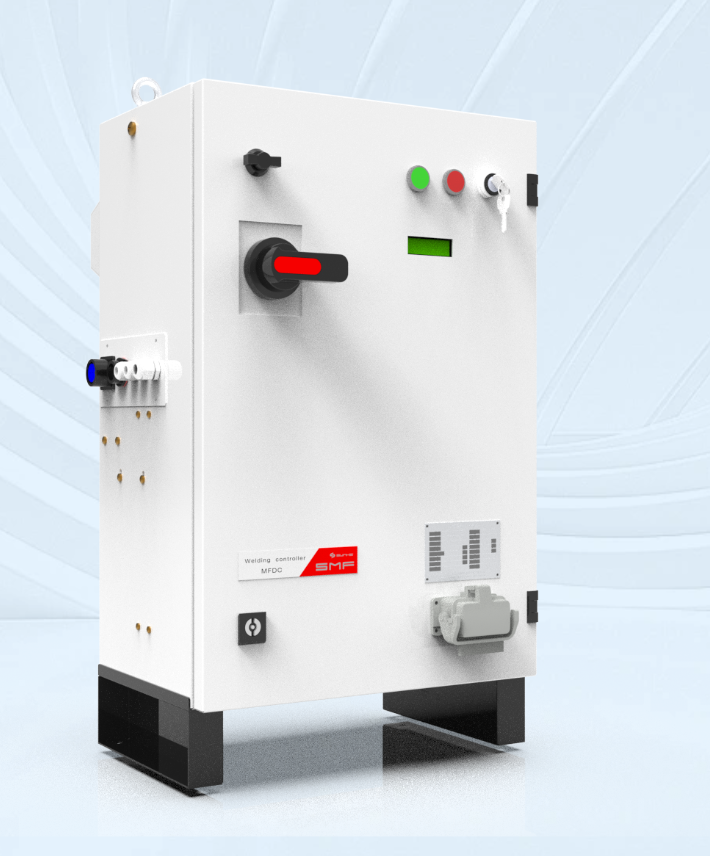
Why this matters: common buyer problems
You’re buying a transformer to make consistent welds, not to troubleshoot production stoppages. Too often buyers get units that overheat, drift in current, or fail under repetitive duty; those issues don’t show on a glossy spec sheet but show up on day two. I’ve helped customers who brought test reports from trade shows like FABTECH and still saw on-site problems, so it’s worth applying a methodical check before you commit. If you’re comparing vendors or looking for tailored resistance welding solutions, also confirm which manufacturer will support installation and testing — ask directly for the named resistance welding manufacturer responsible for the documentation and warranty.
Identify the real performance specs
Focus on parameters that determine how the transformer behaves under load:- Rated welding current (peak and continuous) and how it’s measured.- Secondary open-circuit voltage and its tap range.- Duty cycle rating expressed in percentage or ED (how long it can run before cool-down).- Secondary resistance and leakage inductance — these affect pulse shape and heat in the weld.- Thermal rise limits and cooling method (air, forced-air, oil, or water).- Insulation class, grounding scheme, and enclosure protection.Read each item on the data sheet and ask what test method produced it; vague entries are a risk.
Documentation and tests to request before purchase
Require verifiable evidence, not just promises:- Factory acceptance test (FAT) reports showing measured no-load voltage, short-circuit or current capability, and temperature rise.- Calibration certificates for meters used during testing.- Material certificates for core steel and conductor copper/brazing.- Sample cycle test results that reflect your expected weld rate.- Warranty terms that list what’s covered and response times.Get signed copies of these documents and compare their test conditions to your application’s duty profile.
Simple, practical checks you can perform or ask the vendor to run
Either at the vendor’s shop or on-site, run these checks:- Measure secondary DC resistance with a milliohm meter and compare to the nameplate spec.- Verify no-load secondary voltage across taps.- Use a calibrated clamp ammeter to confirm available peak current under a representative load.- Perform a thermal-rise run at rated duty and monitor temperatures of windings and terminals.- Check insulation resistance (megger test) to ensure proper electrical isolation.Record results and require the vendor to sign off on any deviations and corrective actions.
Inspect build quality and features that affect longevity
Look beyond appearance: poor joints or thin busbars cause real failures.- Core: check for tight laminations and clean joint faces; loose laminations vibrate and heat.- Windings and terminations: robust busbar cross-section, solid brazes/solder, and accessible heavy-duty terminals.- Cooling: clear airflow, reliable fans or pumps, accessible filters or cooling loops.- Protection and sensors: thermal sensors, overload relays, and easy-to-replace fuses or breakers.- Controls: consistent integration between the transformer and welding controller for current feedback.If any of these look underbuilt, expect short service life in high-duty environments.
Questions to ask the vendor — get straight answers
Ask practical questions and expect specifics:- Can you show recent FAT reports for a unit with similar duty cycle?- What is the expected service life at our rated duty and ambient temperature?- Who handles commissioning and spare parts within the first 12 months?- What training do you provide for maintenance staff?- How quickly will you respond to an emergency replacement request?Answers that avoid measurable timeframes or documentation are a red flag.
Common pitfalls buyers overlook
Avoid these mistakes that cause downtime:- Accepting a quoted kVA without verifying duty or peak current capability.- Ignoring thermal protection or assuming factory cooling is enough.- Skipping an on-site acceptance run with representative loads.- Overlooking spare parts lead times for items like fans, contactors, or sensors.- Trusting a single parameter (price or weight) rather than a matching test report.Address these now; fixing them after installation is slower and costlier.
Acceptance criteria to include in the purchase agreement
Put measurable checkpoints into the contract:- Specific test values for no-load voltage, secondary resistance, and peak current with acceptable tolerances.- A signed FAT and an on-site acceptance test that reproduces your production cycle.- Agreed thermal-rise limits and the test procedure used.- Defined repair/replacement windows and spare-parts availability.Concrete pass/fail criteria remove subjective disputes and speed up commissioning.
Wrap-up: practical next steps
Use the checklist above as a short, objective test plan tied to your actual welding cycles. Ask vendors for documented evidence, perform or witness the tests, and insist on clear service commitments so the transformer performs where it matters — on the line. If you want a partner who provides test-backed units and clear installation support, consider how a manufacturer known for structured testing and hands-on commissioning like Sunke aligns with those expectations.

