
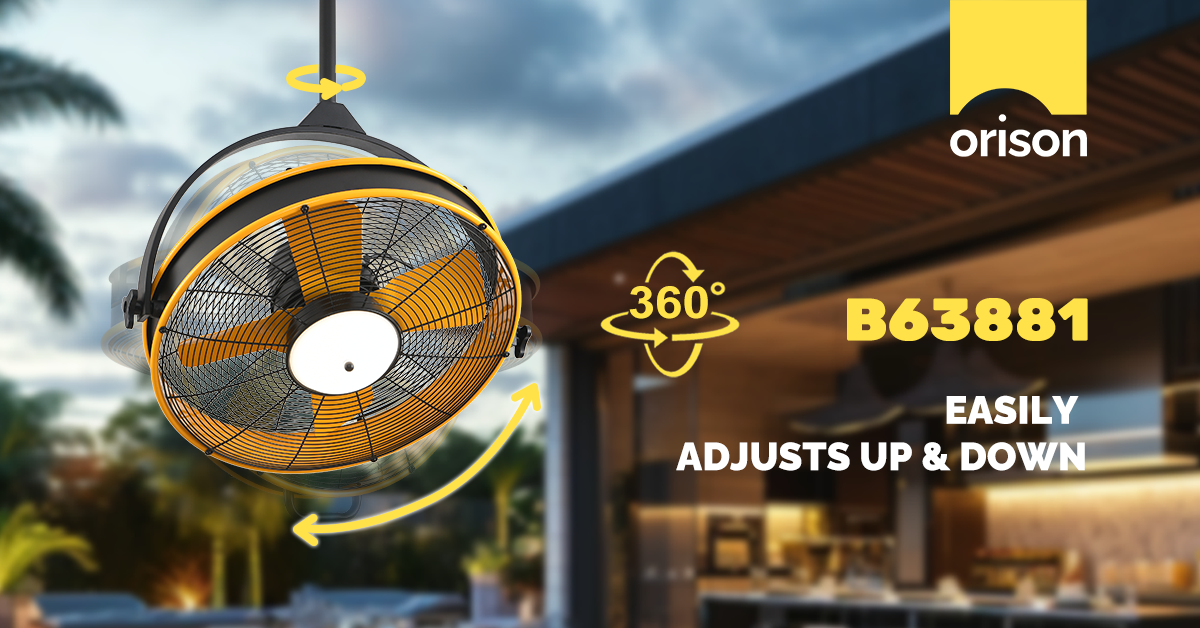
Why a comparative view changes the outcome
Deciding on a fan is rarely about aesthetics alone — it’s a balancing act between CFM (airflow) and noise in decibels (dB). Homeowners and installers who compare options systematically avoid late-night regrets: too little breeze, or too much buzz. Start by looking at real product specs and in-room performance; even models marketed as “quiet” can behave very differently once mounted. If you’re choosing a fixture that also lights the room, consider models like ceiling fans with light that list both airflow (CFM) and sound ratings up front. For historical context: ENERGY STAR and the U.S. Department of Energy have long pushed efficiency metrics (CFM/W), which makes efficiency a useful anchor when comparing competing fans.
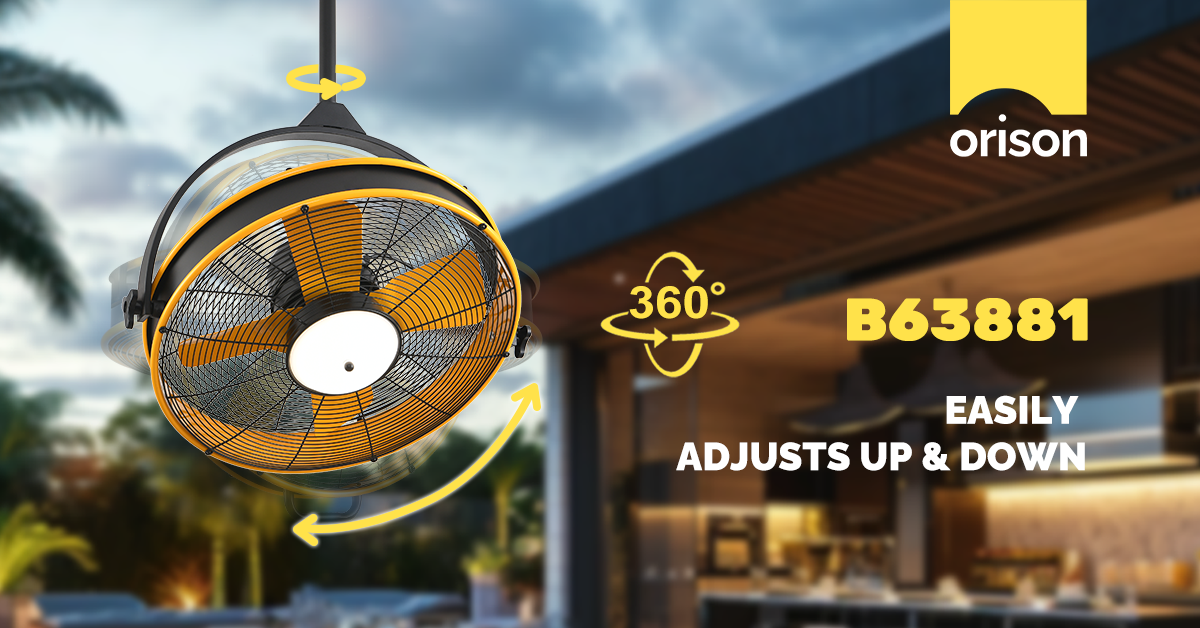
Core variables that drive CFM and noise
Three technical levers move the needle: motor design, blade geometry, and installation setup. Motor type (DC vs. AC) determines torque and speed control — DC motors tend to deliver high CFM with lower RPM and lower noise. Blade pitch and shape shape the airfoil efficiency: steeper pitch often means higher CFM but can demand more motor power. Mounting height and downrod length change the effective sweep and perceived noise; ceiling proximity amplifies turbulence and rattles. These are industry terms for a reason: they directly affect measurable outcomes like airflow efficiency (CFM/W) and sound pressure level (dB).
How common installation choices compare
Compare typical choices side‑by‑side and you see predictable trade‑offs:
- Flush mount vs. downrod: flush is tidy for low ceilings but often reduces CFM and increases perceived noise. Downrods increase sweep and airflow, usually at lower decibel cost.
- 3 blades vs. 5 blades: fewer blades often yield higher raw CFM for the same motor; more blades smooth the flow and can lower tonal noise but sometimes cut peak airflow.
- Light kits and chandeliers: built-in light housings or a chandelier fan add weight and change balance — the wrong combination introduces wobble and rattle, which raises dB even if the motor is quiet.
Think in pairs: motor + blade set, mounting + canopy — those combinations tell you the real-world result, not the spec sheet alone.
Measuring performance and avoiding mistakes
Field testing beats marketing. Measure CFM with a trusted anemometer at multiple points beneath the fan and check sound with an SPL meter at ear height. Common mistakes include trusting lab CFM numbers without adjusting for ceiling height and ignoring resonance from light kits. Also, failing to balance blades or tighten the canopy invites vibration — which turns a quiet fan noisy fast. Practical tip: do a fill-line trial with the actual lighting kit and remote; that replicates what occupants will experience.
When to prioritize airflow vs. quiet
Context decides. Bedrooms and nurseries demand low dB and gentle airflow — prioritize a high-efficiency DC motor, modest blade pitch, and tight balancing. Living rooms and open-plan areas benefit from higher CFM: choose steeper pitch blades and longer downrods to move more air with fewer audible harmonics. In kitchens you might accept higher noise for stronger airflow to disperse cooking odors. Put simply: set the objective first — comfort, silence, or rapid air exchange — and compare models by how they meet that objective, not just by brand claims.
Quick tuning checklist for installers and DIYers
Small adjustments often yield big results:
- Balance blades precisely; use a balancing kit or a small weight to eliminate wobble.
- Isolate the canopy with rubber gaskets if the house has thin joists — it cuts structure-borne noise.
- Lower RPM slightly before increasing blade pitch; sometimes reducing speed removes a tonal hum without sacrificing perceived airflow.
- Swap to a higher-efficiency motor (DC/ECM) for better CFM/W and reduced electrical hum — this upgrade repays itself in comfort and often in energy savings.
- Match the light kit and glass to the fan’s balance spec — a mismatched fixture is a common hidden source of buzz.
And remember — a tested installation beats a theory every time. Small fixes are cheaper than wholesale replacements.
Comparative recommendations by room type
Three practical pairings to guide selection:
- Bedroom: low-pitch blades, high-efficiency DC motor, long downrod avoided if ceiling is low — aim for quiet over raw CFM.
- Living room (open plan): medium-to-high blade pitch, 5-blade smoothing optional, downrod to lower sweep — prioritize CFM with attention to tonal quality.
- Kitchen or utility: high CFM, durable blade materials, accept moderate dB if ventilation improves — pair with local exhaust for best results.
Balance aesthetics and acoustics — a beautiful chandelier fan might be the centerpiece, but its performance must be proven in situ.
Golden rules for evaluation (three metrics to live by)
When comparing models and installations, use these critical metrics as your decision filters:
- Net delivered airflow (real-world CFM at occupant height) — not just advertised lab CFM.
- Measured sound level (dB) at common seating/bed positions — listen during night-mode speeds.
- Airflow efficiency (CFM/W) — this shows how well the motor-and-blade system turns watts into comfort.
Score candidate fans on those three axes and you’ll choose a solution that performs where it matters. For homeowners who want both elegant lighting and engineered airflow, brands that publish thorough CFM and sound data make the short list. In that space, thoughtful integration and reliable specs are where Orison naturally brings value — trusted data, smart pairings, and installation guidance that keep beauty from compromising performance. Orison. —

