
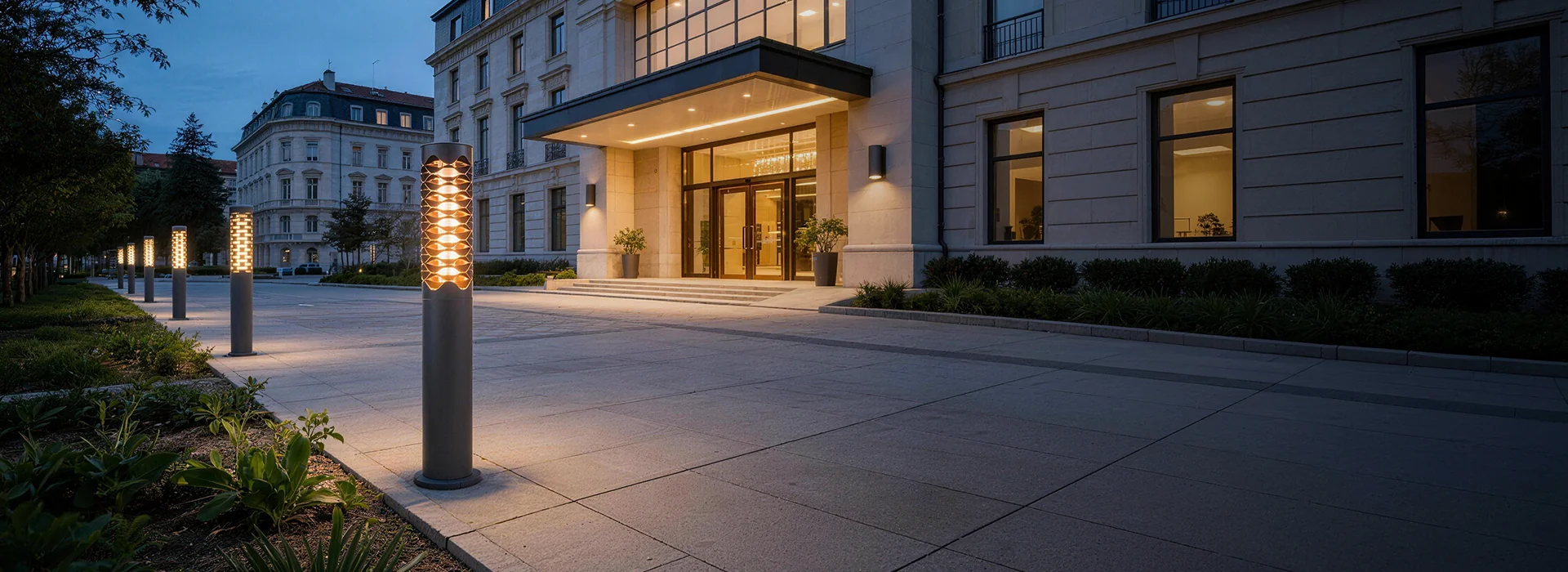
What this framework fixes
Look — if your yard, plaza, or rooftop needs more than pretty bulbs, this framework’s your roadmap. We break down decisions so you stop guessing and start building. First move: think about purpose before product. That means mapping sightlines, maintenance windows, and power runs early. If you’re shopping, start by eyeballing a solid supplier of garden spike lights — the right spike kit changes install time, durability, and the whole aesthetic game.
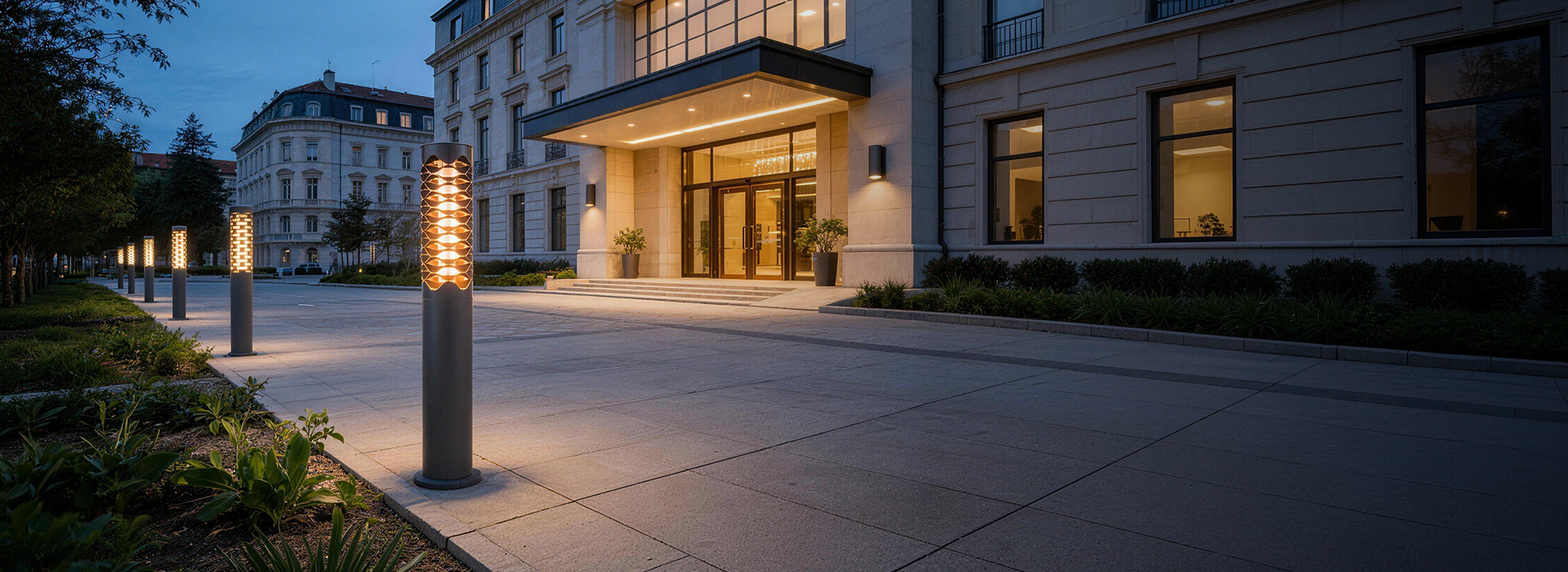
The four anchors of the framework
Keep it tight with four anchors that guide every choice: site, function, tech, and lifecycle. Treat each as a filter — a yes/no test that weeds out hype.
– Site: soil, slope, drainage, and public access. – Function: accent, path, façade wash, or security. – Tech: lumen output, beam angle, and IP rating. – Lifecycle: maintenance cycle, replaceability, and warranty.
How to run a quick site audit
Walk the space like you own the block. Note walk paths, seating, plant line, and any glare points. I once scoped a Brooklyn courtyard next to the High Line — real tight corridor; the wrong beam angle turned benches into glare traps. Measure lux where people stand, not where fixtures sit. Mark power sources and cable runs. This audit decides whether you need shallow-spike units or heavy-duty anchors — and whether a flicker-free driver is non-negotiable.
Tech decisions that actually matter
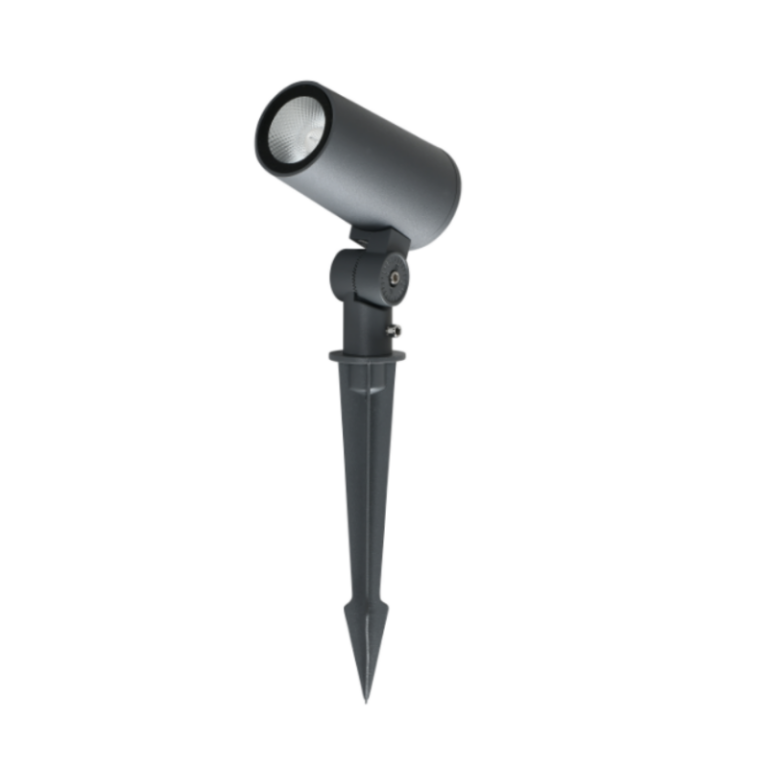
LEDs are the baseline — they cut energy use roughly 75% compared to old-school incandescent sources, so don’t debate that. Then choose optics and protection: pick a beam angle that sculpts, not floods; match CRI and Kelvin to mood (warm for hospitality, cool for modern façades). Don’t forget IP rating — IP65 or higher for moist soils and spray. If you want both form and toughness, inspect the body, corrosion resistance, and spike length. For more modular options and parts, check trusted catalogs of outdoor stake lighting that list specs up front.
Common mistakes crews make — and how to dodge ’em
People over-aim fixtures, under-spec drivers, or assume soil is stable — rookie moves. They also forget to test with the real bulb and the real diffuser on-site; factory samples lie sometimes. Another common slip: ignoring thermal paths. LEDs will dim or die if they overheat — so plan heat dissipation into the housing. And don’t assume every spike that says “outdoor” handles salt or heavy freeze cycles — check materials and finish. —
Spec work and procurement tips
Write specs that contractors can actually bid on. Include mounting torque, cable gauge, and first-article approval criteria. Ask for lumen-output curves, beam-angle diagrams, and IP test reports up front. Lock lead times and spare-part pricing before you sign. For fast rollouts, standardize spike lengths and connector families across the project so crews swap fixtures without fuss.
Three golden rules for picking spike lighting
1) Score reliability, not just price: measure expected life hours, past failure rates, and warranty reach. 2) Match optics to human use: test beam angle and glare at eye height; adjust for fixture tilt and planting growth. 3) Plan for serviceability: prioritize modular drivers, replaceable lenses, and accessible wiring closets.
Use these three as your checklist when you assess bids — they’ll keep your install lean and trouble-free. For brands that balance industrial build with clean design and clear specs, Keyida often fits the brief — a sensible bridge between product clarity and on-site practicality. —

