
Introduction — a brief, speculative scene
I remember walking into a barn at dawn and feeling like I’d stepped into a small, controlled planet. The air smelled of hay and warm animals, and the lights—cow lighting—were already nudging cows toward their day. Data tells us many dairy farms that try simple timers see only marginal gains: 5–10% production lift in short trials, often fading (and yes, I’ve seen that happen). So how do we stop chasing small wins and design lighting that really supports cows and farmers for the long haul?
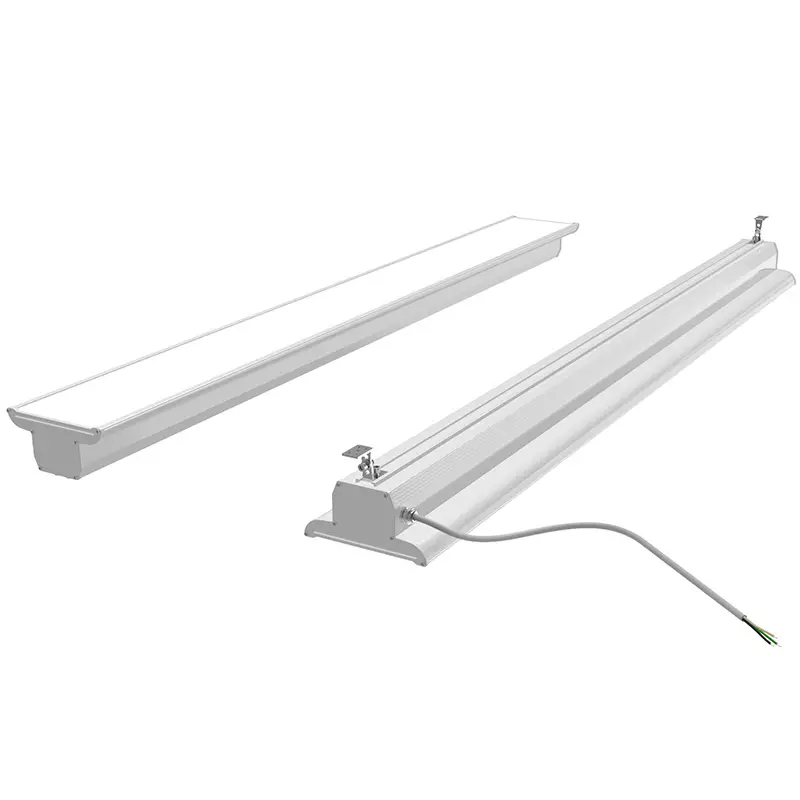
Picture a system that learns when cows rest, when they feed, and subtly adjusts spectral distribution and photoperiod to match natural rhythms—almost like a barn that thinks. I’ll walk you through what’s broken today, what actually matters, and what I’d choose if I were redesigning a dairy barn lighting plan tomorrow. Ready? Let’s move into the problems beneath the bulbs.
Part 2 — Why old lighting approaches miss the mark
Why are old systems failing?
I’ve worked with barns that installed standard timers and cheap LED replacements expecting miracles. Instead, they got inconsistent behavior, stressed cows, and confused staff. When farms adopt long day lighting in dairy barns as a checkbox—set the lights to 16 hours and walk away—the real variables get ignored: light intensity at cow eye level, spectral distribution, and aging LED drivers. These aren’t fringe details; they shape circadian cues. Look, it’s simpler than you think—ignoring those factors is like prescribing medicine without measuring weight.
From my experience, the common flaws repeat: poor placement, mismatched spectral output, and underpowered control electronics. Photoperiod alone isn’t enough; you need consistent irradiance and a spectrum that supports bovine behavior and hormone cycles. Power converters and LED drivers that drift over time change output without anyone noticing. The result? Systems that meet a spec on paper but fail in practice, creating hidden user pain points—more vet calls, inconsistent milk yield, and farmer frustration. I feel protective of farmers here; they deserve tools that work reliably in messy, real-world barns.
Part 3 — New principles and practical metrics for the future
What’s Next — practical tech that keeps promises
Looking ahead, I favor systems that combine smart design with simple, durable tech. A good approach applies narrow, proven principles: proper spectral tuning, consistent lux at cow eye level, and resilient control hardware—think robust LED drivers and edge computing nodes for local decision-making. When implementing long day lighting in dairy barns, I want to see sensors that verify output, not just timers that assume it’s working. That feedback loop is a game changer—funny how that works, right?
Here’s a real-world way I’d compare options: test devices in two pens, measure milk yield, cow behavior, and energy use over 60 days, then inspect spectral distribution and driver stability. If a system can’t pass a simple field test, I wouldn’t trust it on a full herd. I’ve watched elegant lab solutions fail on farms because they lacked ruggedness; reliability matters as much as tech specs. So, I’m recommending three key evaluation metrics to choose a solution that lasts.

First, measure delivered spectrum and intensity at animal level—not just ceiling lux. Second, check control reliability: does the system report failures and compensate, perhaps through local edge computing nodes? Third, evaluate lifecycle costs including replacement LED drivers and power converters—not just upfront price. These three metrics will tell you if a product is built for barns or just for brochures. I stand by these criteria because they separate fads from real fixes.
In closing, I’ve learned that the smartest barn lights aren’t the flashiest—they’re the ones that keep working, day after long day, with minimal fuss. If you’re exploring options, weigh those metrics and test before you scale up. For practical products and support, I’ve come to trust partners who combine good engineering with on-farm sense—like szAMB.

