
User-Centric Opening: What the buyer needs now
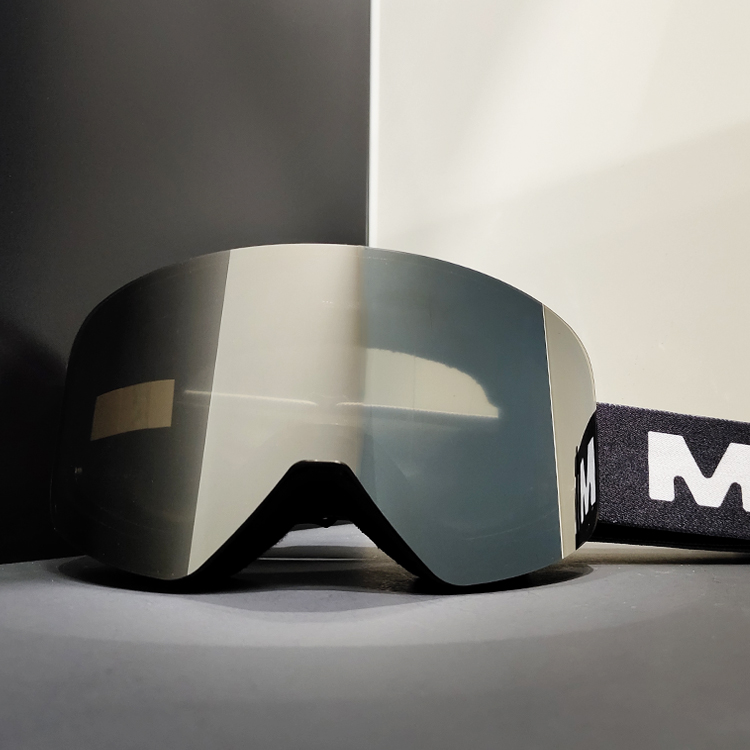
When you design or buy wholesale protective eyewear for active men, the comfort and seal decide whether a day on the hill or a long tactical shift is successful. For product managers and retailers focusing on performance, features like a reliable magnetic lens attachment and clean anti-fog behavior matter as much as price—so thinking about foam bonding becomes practical, not academic. If your catalog already lists magnetic ski goggles or you’re looking at options for ski goggles men, this note looks at foam layers and the real assembly choices that help those items sell and perform in the field.
Why triple-layer foam bonding matters to the user
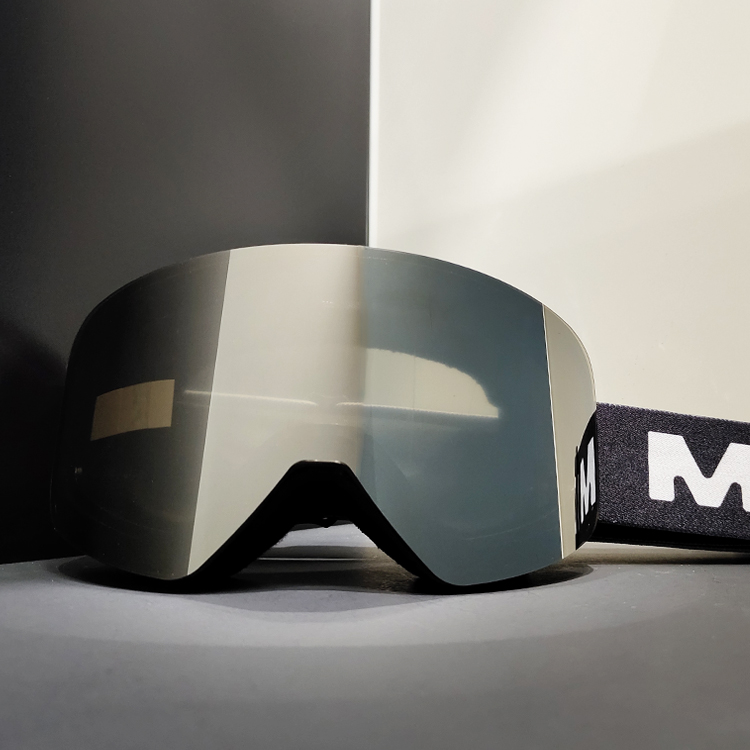
Triple-layer foam is not decoration. Each layer controls pressure, moisture management, and the seal against the face. The innermost layer sits against skin, needing a soft hand and quick-dry capability; the middle layer manages compression and resilience; the outer layer must bond cleanly to the goggle frame without delamination. Good foam bonding preserves the magnetic lens alignment and prevents micro-gaps that cause fogging. In places like Aspen and other alpine venues, you see how small failures compound quickly—cold, sweat, rapid temperature change. Solid bonding keeps the lens stable and helps lens coating and anti-fog coatings do their job.
Common assembly mistakes and quick fixes
Manufacturers often rush adhesive cure cycles to hit volume targets. The result: partial bonds that fail under heat or flex. Another frequent issue is mismatched compression rates across the foam thickness—too soft inside, too hard outside—so the seal is inconsistent. Fixes are straightforward when you focus on process control: ensure consistent surface prep (clean, slightly abraded), heat and dwell time per adhesive specifications, and a short compression test on every batch. Small inspectors on the line—trained to feel for uniform rebound—catch more defects than you expect. It’s a small investment with big returns.
Materials, adhesives, and production checklist
Choose adhesives rated for TPU or ABS frames, compatible with foam substrates; select ones with flexible bonds that retain shear strength at low temperatures. Look for low-VOC formulas to protect the inner face foam and reduce odors. Use a gauge to control foam thickness and a jig to align face foam to magnetic lens housings so the magnetic lens system snaps accurately every time. Include a batch log with temperature, humidity, and cure time for traceability—this aids quality when you scale to wholesale quantities.
Comparative insight: triple-layer foam versus alternatives
Single-layer foam looks simpler and cuts cost, but the trade-off is comfort and seal longevity. Double-layer foams improve comfort but still miss the layered compression profile that triple-layer foam delivers for diverse face shapes. For interchangeable lens systems, especially magnetic lens designs, the triple-layer arrangement maintains a predictable interface between skin and frame, reducing stress on mounting points. The result is fewer returns, and better user satisfaction—concrete outcomes that matter in B2B deals and retail reviews.
Implementation tips from field experience
Field teams and users notice subtle things first: a pressure point after an hour, or lens fog at the first steep section. We learned to run short user trials with a small batch—give them to guides or range officers—and collect notes on strap tension, seal, and fogging. That feedback loops into foam density choices and adhesive cure schedules. It’s simple: you fix what actual users report. —Those on-slope notes often reveal the best tweak.
Three golden rules for choosing foam bonding strategies
1) Measure bond durability under relevant conditions: cold soak and flex cycles that mimic use. Prioritize shear and peel tests over lab-only tack tests. 2) Match foam compression profile to intended use: longer missions need denser recovery; high-intensity sports need softer inner layers for comfort. 3) Validate integration with the magnetic lens and strap system: alignment jigs and tolerance caps prevent repeated returns. Apply these consistently and you reduce field failures markedly.
Closing assessment and brand alignment
Good foam bonding raises perceived quality faster than many other upgrades; it’s tangible to the user and measurable in returns and reviews. For teams sourcing or producing tactical and ski goggles, the right process and materials cut defects and lift satisfaction. The practical value here aligns with what brands like YIJIA Optical deliver through disciplined production and product design—solid engineering that shows up on the face where it matters. —Reliability wins, every time.

