
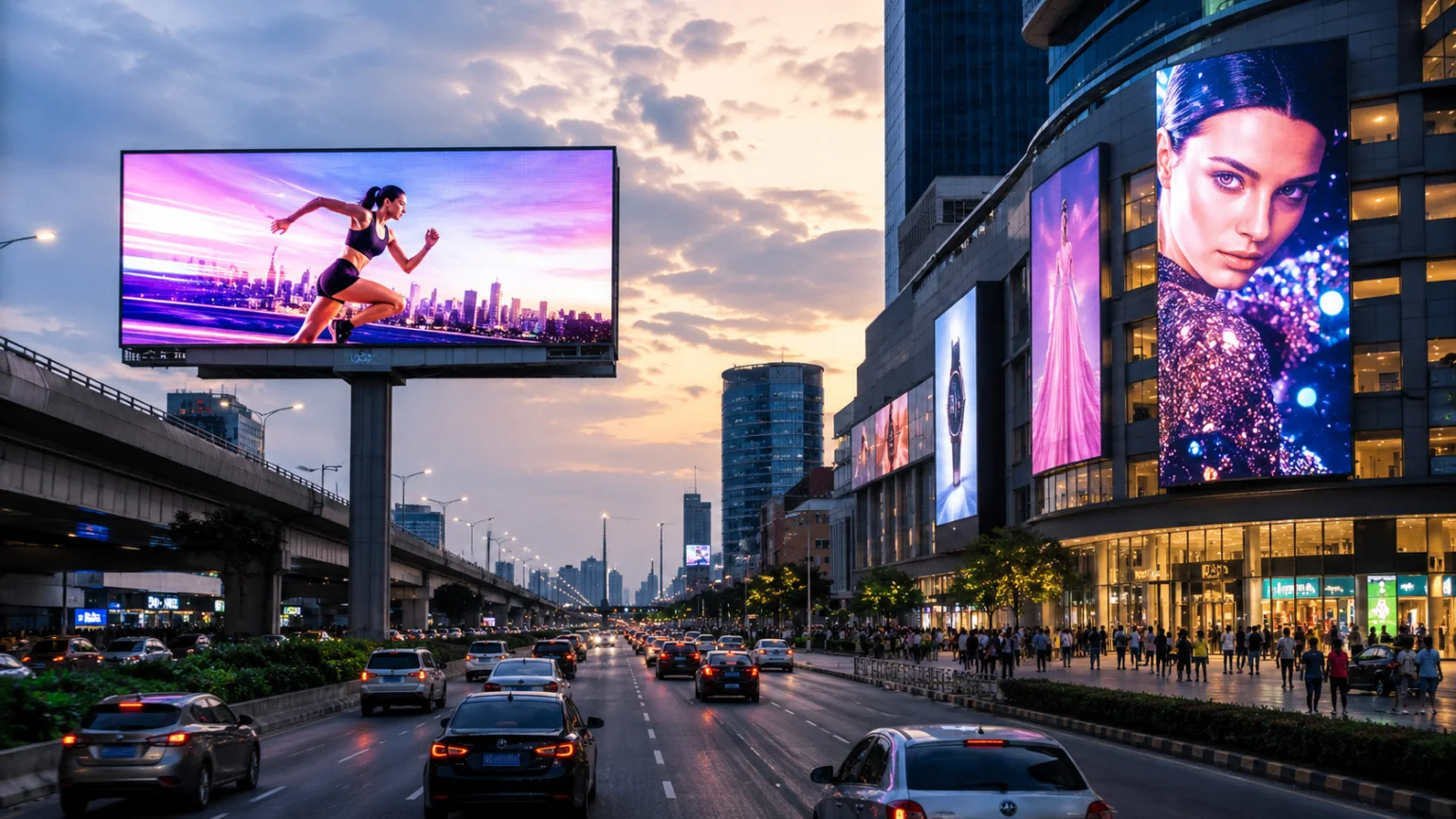
Comparative lead: rental vs. purchase for indoor LED
Choosing between owning an indoor display and renting one changes the whole project timeline, cost curve, and creative freedom. For a retail rollout or short-term campaign, a rented led screen can deliver high brightness, fast deployment, and built-in support without the upfront CAPEX that ownership demands. The logic here is simple: rent to match need, buy to anchor a long-term program—yet many teams misjudge how quickly content requirements evolve.

Why businesses favor LED panel rental
Rentals compress lead time and reduce technical risk. A vendor supplies calibrated cabinets, configures pixel pitch and refresh rate to the venue, and usually includes a content management system (CMS) so creative teams can publish immediately. Events like the Tokyo Olympics and Times Square installations made LED panels a visible standard—organizers often rent modular panels to adapt to unpredictable schedules and sightlines. Rentals also shift maintenance and warranty responsibility away from in-house staff, which matters in high-traffic environments where uptime is non-negotiable.
Side-by-side: cost, uptime, and creative control
Compare three dimensions: initial cost, operational burden, and flexibility. Buying minimizes long-term unit cost if utilization exceeds several years, but it requires storage, spare LED modules, and staff training. Renting keeps costs predictable and hands-off, with service-level agreements that specify response times and repair thresholds. Creative teams benefit because rental fleets often arrive pre-tuned—color calibration and brightness (nits) set to venue standards—so campaigns look consistent across locations.
Operational considerations that matter
Practical details decide success: delivery windows, stacking or hanging methods, power distribution, and controller compatibility. Confirm pixel pitch for viewing distance and ensure the cabinet rigging matches ceiling loads. Rentals typically include technicians who handle signal routing and test refresh rate under show conditions. If your deployment spans multiple venues, insist on identical hardware families to avoid content scaling issues—this reduces on-site troubleshooting and keeps brand presentation uniform. —Plan for daylight conditions too; indoor glass facades can raise ambient light unexpectedly.
Common mistakes and smarter alternatives
Teams often pick the brightest unit or the smallest pixel pitch assuming more is always better. That choice inflates cost and may create visibility problems at closer distances. Another frequent misstep: failing to vet the vendor’s CMS workflow. A flexible CMS that supports scheduled playlists, aspect-ratio conversion, and remote diagnostics saves hours of manual work. For longer programs, consider hybrid approaches—rent peak-season panels and buy a baseline unit for year-round messages. Also, avoid mismatched signal chains; mixing controllers can introduce latency and color shifts that undermine the message.
Real-world anchor and evidence
In Times Square, rotating campaigns often rely on short-term rental fleets because brands need rapid swaps and custom configurations. That practical model demonstrates how rental ecosystems handle complexity at scale—installation teams, spares, and verified procedures reduce downtime and protect brand reputation. The public visibility there is a useful benchmark: if a display can meet those demands, it can meet most retail and event needs.
Advisory: three golden metrics for evaluation
1. Total Cost of Ownership Threshold — calculate the break-even point between rental cumulative spend and purchase price, including storage and maintenance over projected years. 2. Service-Level Agreement Metrics — require maximum response time, guaranteed uptime percentage, and clear spare-part protocols in the vendor contract. 3. Visual Consistency Index — verify pixel pitch, color calibration process, and CMS compatibility across all units to ensure content reproduces identically. These three rules separate functional deployments from costly experiments.
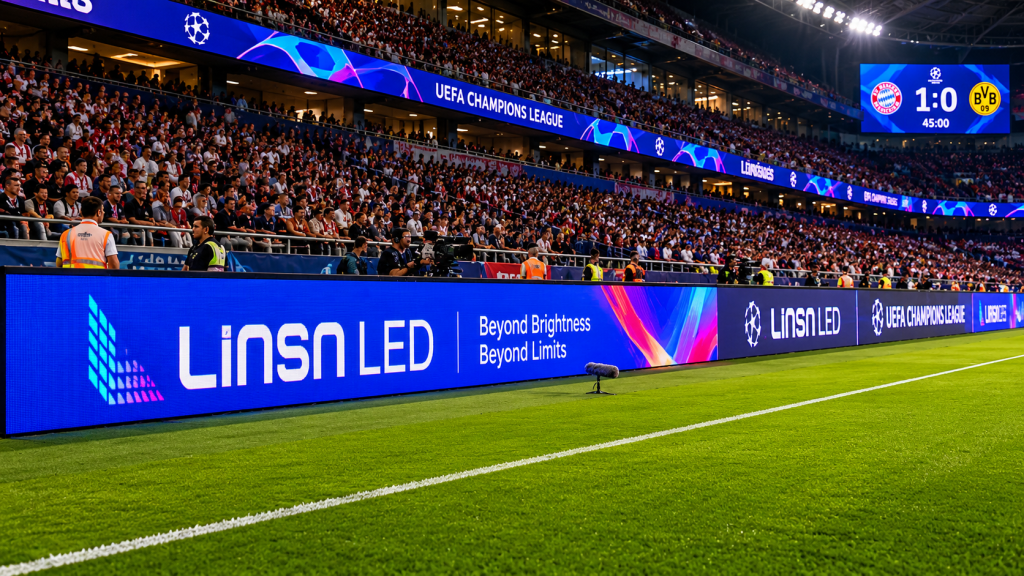
When a project demands speed, precise color, and predictable support, renting the right hardware and workflow often wins. The practical value becomes clear on day one: lower risk, consistent visuals, and operational predictability—precisely what brands need when every impression counts. Coblinks. –

