
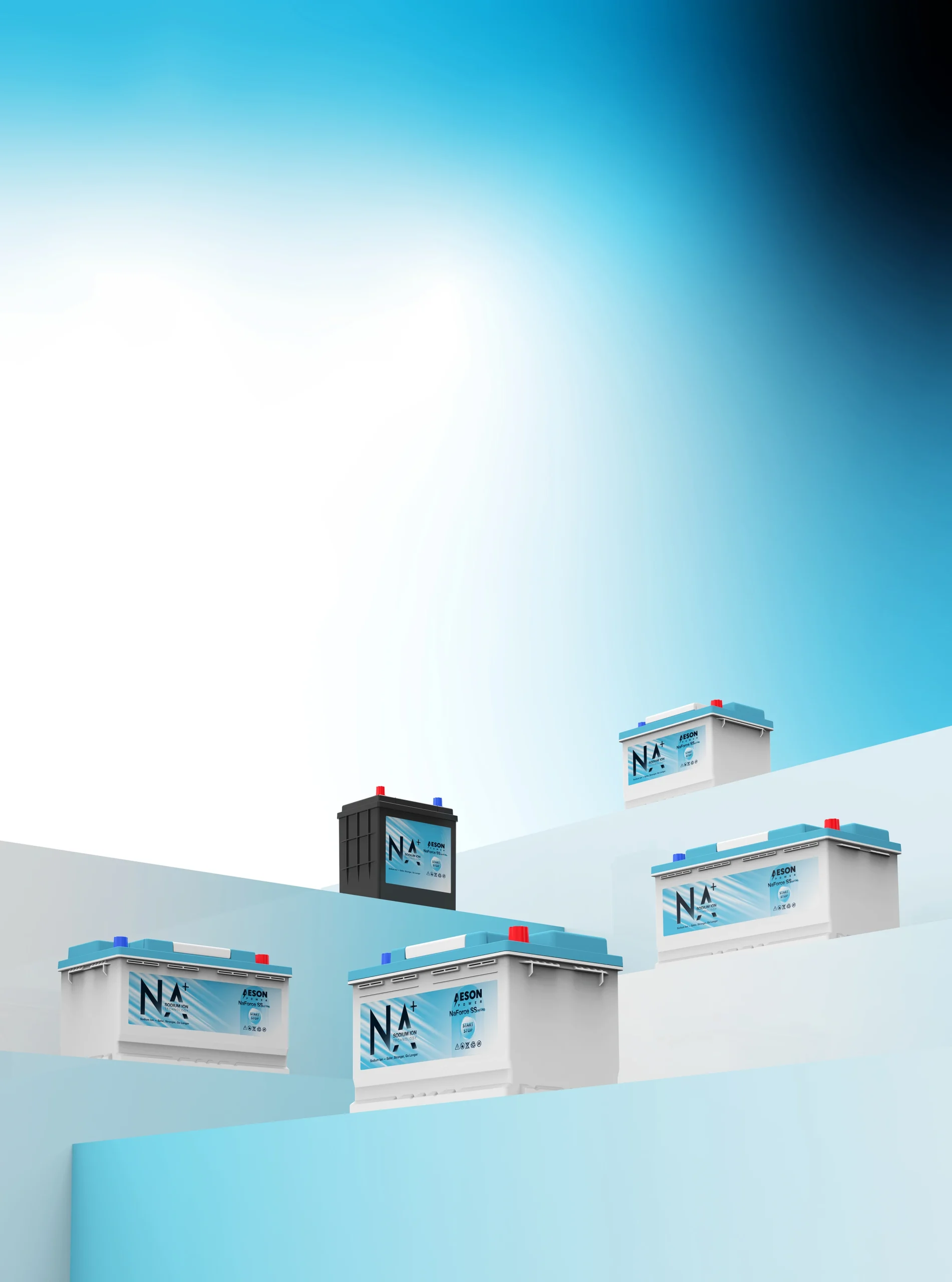
Questions to Ask Before Specifying Commercial Battery Manufacturers: A Project-First Review
Procurement teams should treat commercial battery manufacturers as part of a project-specific technical review, not as interchangeable entries in a supplier list. The first task is to define the equipment, duty, environment, electrical interface and documentation needed for the decision. This gives the review a clear boundary: a supplier statement can be relevant to one application without proving suitability for every battery, model or operating condition.

Define the use case before comparing suppliers
Begin with a short application record. Identify whether the battery is intended for engine starting, support of an electrical system, reserve use or another stated purpose. Record the equipment type, installation space, expected operating temperatures, vibration exposure, storage period and any requirements for terminals, casing or protection functions. These details are not administrative extras. They determine which evidence can be compared fairly and which questions need a technical response.
The page evidence describes a commercial battery as being intended to deliver the high current required to start larger engines and support the electrical systems of commercial transport vehicles and diesel-powered industrial equipment. It also frames these applications around cranking performance, durability and demanding working conditions. For a procurement team, the useful lesson is to translate broad application language into project requirements rather than treating it as a blanket statement about every product.
- Equipment: What machine or vehicle will use the battery, and what starting or electrical function must it perform?
- Environment: Will the installation involve high vibration, outdoor exposure, high temperature or extended storage?
- Interface: Which voltage, capacity, cold cranking amperage, dimensions and terminal configuration are required?
- Decision record: Which requirements are confirmed, which are proposed, and which remain open?
Map evidence to the stated requirements
Once the use case is written down, sort each supplier statement into an evidence table. A useful table has four columns: project requirement, exact page statement, applicable product or application scope, and unresolved question. This prevents a category-level description from becoming an unsupported model-level conclusion. It also makes the review easier to explain to engineering, purchasing and operations colleagues who may be using different terminology.
For example, the cited page identifies construction machinery, generator sets and air compressors operating in high-vibration or harsh outdoor environments as examples of diesel-powered industrial equipment. That is a concrete application anchor for the review. It applies only to the statement and product or application scope described on that page; it does not establish performance or suitability for other products or applications. A procurement record should preserve that boundary instead of presenting the example as a general result.
This is where the second use of commercial battery manufacturers belongs: in the evidence discussion, not in the opening definition. Ask whether each statement applies to the proposed equipment and conditions, and label the answer as documented, conditional or unresolved. The distinction matters because a statement about selected models, a product category or a particular application cannot automatically be extended to an entire range.
Some specifications can also be treated as configuration questions. The page states that customisation may include voltage, energy capacity, CCA, case dimensions, terminal configuration, battery protection functions, branding, packaging and technical documentation. It also states that available options depend on technical feasibility, certification requirements and order volume. A sound review therefore records the requested configuration separately from the fact that such options are described as possible. It should not turn a listed option into a confirmed project specification.
Turn open points into supplier questions
After the evidence table is complete, convert every unresolved requirement into a precise question. Avoid broad requests such as “Is this battery suitable?” They make it difficult to identify what has actually been answered. Instead, connect each question to the application record and ask for the relevant scope, conditions and document.
- Which product or model is being considered for the stated equipment and starting duty?
- Which voltage, capacity, CCA, dimensions and terminal arrangement correspond to the proposed configuration?
- Does the stated application scope include the project’s equipment type and operating environment?
- Which battery protection functions are included, and are they part of the proposed configuration or only an available customisation?
- What technical documentation accompanies the proposed configuration?
- What storage and recharge instructions apply to the battery and the intended storage period?
Storage deserves its own line in the review because it can change the practical handover requirements. The cited page states that medium-term storage of three to six months may involve a possible 5% to 20% capacity loss, with voltage checks every three months and recharge if voltage drops to 10V per 12V. Those figures belong to the page’s stated guidance and should be retained with its scope. They should not be recast as a universal storage rule for every battery chemistry or configuration.
Environmental questions should be equally specific. The page states that selected models are designed to operate at temperatures up to 80°C. The word “selected” is important: it limits the statement to the models covered by that description. A project review can therefore ask which proposed model the statement applies to and what other conditions are included, without assuming that the temperature claim applies to the full product category.
Summarise a defensible next step
The output of the review should be a short decision note, not merely a list of attractive specifications. State the intended application, identify the evidence that directly matches it, separate page-level descriptions from project requirements, and list the questions that still affect specification. If a requirement depends on configuration, keep it marked as conditional until the proposed configuration is defined. This approach gives procurement a clear basis for the next technical exchange without overstating what the available evidence proves.
A practical next step is to send the application record and evidence table together with the focused questions. Ask for responses against the named equipment, operating conditions and proposed configuration rather than requesting a generic product summary. The resulting exchange can then be assessed line by line: relevant evidence is retained, unrelated statements are set aside, and unresolved requirements remain visible to the people responsible for the technical decision.
Used this way, AesonPower is considered within a project-first process: the website’s listed battery categories and page statements can inform the initial review, while the procurement team keeps application scope, configuration and open requirements distinct. The goal is not to declare a universal winner, but to create a traceable basis for deciding what information is relevant to the particular equipment and duty under consideration.

