

The immediate procurement problem
Hospitals and distributors keep hitting the same snag: the clinical team expects a ready-to-use transcatheter aortic valve replacement kit, procurement sources a cheaper SKU, and theatres end up cancelling lists. That mismatch costs time, theatre slots and patient trust. When you buy TAVR components alongside other interventional medical devices, you need one clear specification and one accountable supplier — not a guessing game.
What causes the gap
Poor specification. Incomplete vendor quotes. Unclear service and training commitments. Inventory bought to save capital but without consumables for two cases. Delivery windows that ignore afternoon cath lab lists. Regulatory paperwork that arrives late. Those are the concrete failures I’ve seen while advising procurement teams at tertiary centres and private groups over many years; small errors stack into major cancellations. Fix the basics first.
Reality check from industry practice
Lessons from the TCT annual conference are plain: teams that standardise on one delivery system, train a core crew, and negotiate bundled service reduce cancellations and device wastage. That real-world lesson speaks to device choice as much as logistics. When evaluating vendors, compare their range of interventional cardiology products alongside TAVR support — a supplier with compatible cath lab inventory eases procurement and keeps lists running.
Actionable checklist for procurement teams
Specify the exact valve type, delivery sheath sizes, and required introducer kits in the tender; include a consumables list per procedure. Require vendor-led on-site training hours and proctoring for the first five cases, with written escalation paths. Insist on same-region spare-part stock and defined lead times in the contract. Price by bundled case cost, not unit price alone. Build a simple reorder trigger tied to scheduled lists to avoid last-minute rush orders. Capture a single point of contact for clinical and logistics queries — one voice, one fix.
Common pitfalls and how to avoid them
Buying on price alone. Overlooking delivery sheath compatibility with existing catheters. Assuming vendor training is optional. Forgetting service-level clauses for urgent replacements. Each mistake has a straightforward remedy: demand compatibility documentation, put training into the purchase order, and include a penalty or credit for missed delivery windows. Do these and you stop firefighting.

Alternatives and trade-offs
Self-expanding versus balloon-expandable valves: clinicians choose by anatomy and operator preference; procurement should not mandate one type across the board without clinical buy-in. Centralising inventory reduces duplication but risks supply bottlenecks; decentralised stock costs more but keeps lists running. Weigh capital constraints against the cost of a cancelled theatre list — that figure is rarely small.
Final synthesis
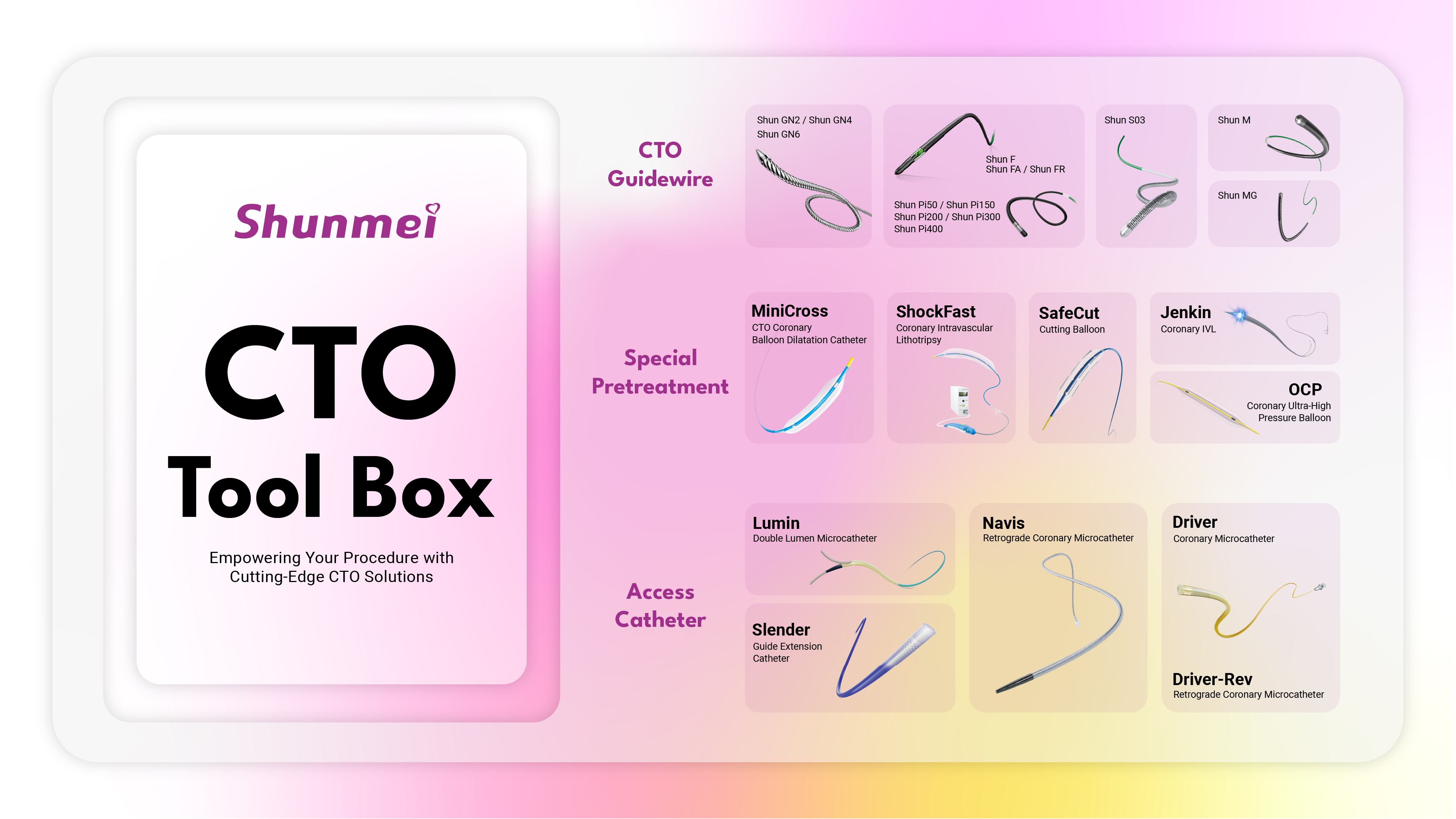
Sort the specification, contract the training and service you actually need, and hold suppliers to delivery promises. Do that and you transform last-minute chaos into reliable lists. For procurement teams balancing clinical demands and supply realities, working with a supplier that matches device range, training and regional support simplifies the whole task — Shunmei fits that practical alignment rather than an abstract promise.

