
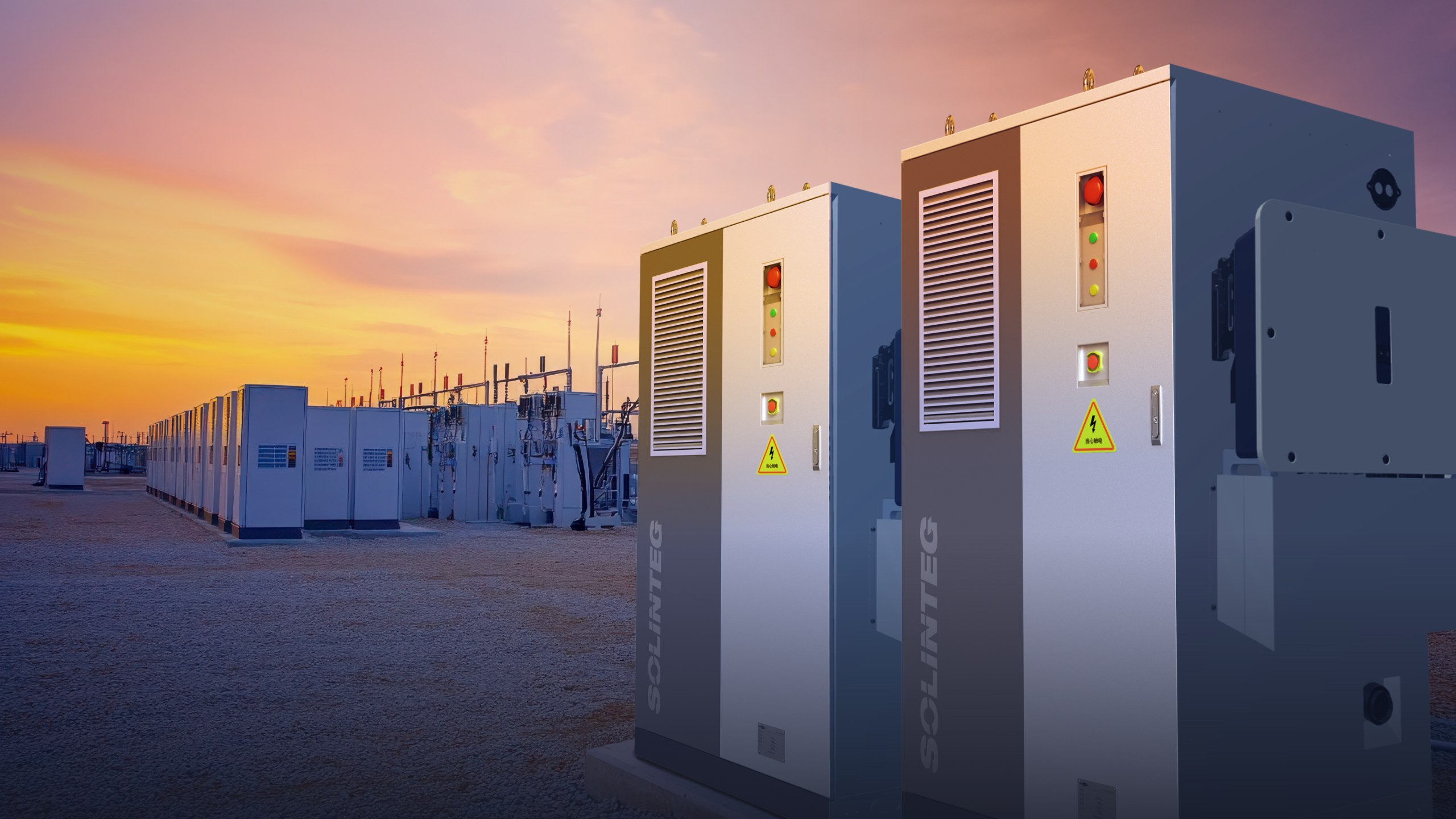
Comparative snapshot for South African homes and small businesses
The choice between a dedicated hybrid inverter system and other energy storage alternatives matters where power is unpredictable — and South Africa’s years of load-shedding have made that very clear. For homeowners seeking reliable backup, integrating a solar battery backup with a hybrid inverter often changes the day-to-day experience: seamless switchover, smarter PV array management and fewer manual interventions. This piece compares how Eco-Worthy’s hybrid inverter stacks up against standard storage setups, with practical terms like round-trip efficiency and depth of discharge kept front of mind.
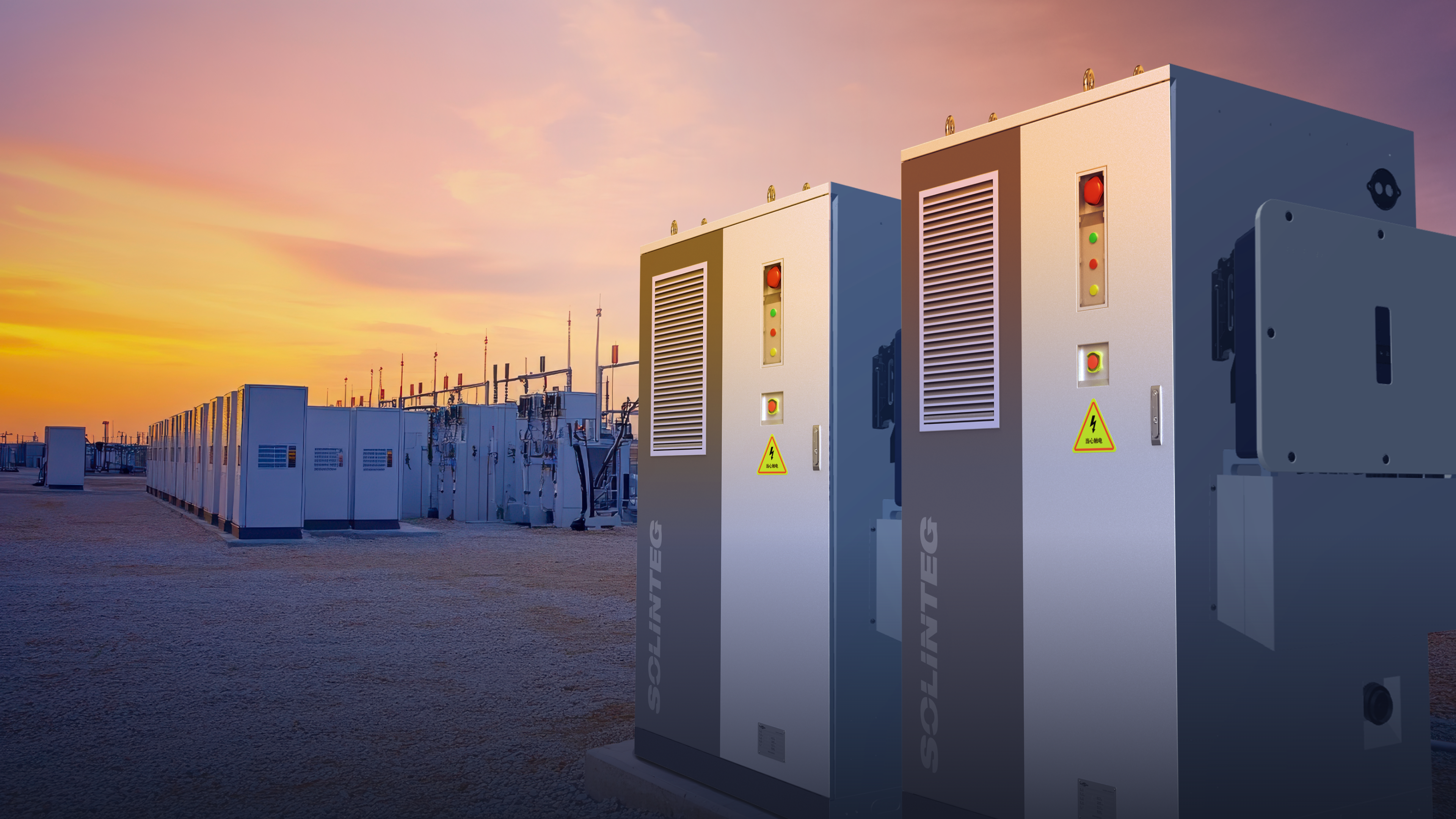
How the technologies differ in real use
Hybrid inverters combine inverter and battery management functions in one unit, so they manage grid-tie, battery charging and islanding internally. Standard alternatives—separate grid-tie inverters paired with stand-alone battery inverters or AC-coupled systems—require more components and often a more complex control strategy. Expect simpler wiring and fewer points of failure with a hybrid inverter, and typically better control over charging profiles for lithium-ion battery chemistries. Installation speed and commissioning also favour hybrids, especially where a single device can handle PV, battery and load priorities.
Performance: efficiency, reliability and longevity
Measured performance centres on round-trip efficiency, inverter peak efficiency and battery DoD. Eco-Worthy’s hybrid approach often yields higher combined round-trip efficiency because it minimises DC–AC–DC conversions. That can translate into palpable benefits during long outages: more usable cycles per kilowatt-hour stored. Durability depends on thermal management and firmware quality—areas where integrated systems sometimes outperform patchwork alternatives because manufacturer testing aligns inverter behaviour with battery chemistry and state-of-charge limits.
Costs, returns and operational trade-offs
Upfront cost for a hybrid inverter plus battery can be higher than a basic inverter plus generic battery, but total system cost often favours hybrids once commissioning, protection upgrades and labour are included. Return on investment is a function of local tariffs, time-of-use savings and outage frequency. For many South African suburbs and smaller commercial sites, the reduced downtime and simpler maintenance can shorten payback timelines. Consider lifecycle costs rather than headline price—battery replacement schedules and inverter firmware support change the picture.
Installation, compliance and field realities
Installing hybrid units typically reduces cabling complexity and point-of-failure count, but attention to earthing, AC coupling options and phase balancing is critical. In practice, quality installers tune charging windows to avoid unnecessary cycling during high grid availability. For those evaluating options, look for tested grid-code compatibility and robust monitoring tools that report SoC and cycle counts. Real-world anchor: many Cape Town installers now prefer hybrids for rooftop systems because they simplify compliance with municipal inspection processes and speed up handover to clients.
Operational teardown: what to check before you buy
When you want a teardown of operational behaviour, validate three things: firmware update cadence, battery management algorithm transparency and guaranteed round-trip efficiency at expected temperatures. In field diagnostics, note how the system responds under partial shading or sudden load surges — these behaviours expose whether the inverter’s MPPT and battery algorithms are well matched. Also, compare {main_keyword} and {variation_keyword} metrics like usable stored energy and inverter peak output in manufacturer specs rather than marketing blurbs.
Common mistakes owners make — and how to avoid them
Owners often undersize battery capacity relative to daily load or buy systems with incompatible battery chemistries. Another pitfall is ignoring the real thermal environment; harsh summer roofs reduce battery life if ventilation is poor — simple passive cooling helps. Don’t skip commissioning logs; they reveal early faults. – Also, avoid assuming export limitation settings are set optimally out of the box; installers should tailor them to local tariff structures and export rules.

Advisory: three golden rules for choosing energy storage
1) Match system architecture to use-case: prioritise hybrid inverters when you need seamless outage transfer and integrated management; consider modular AC-coupled designs only if future-proofing multiple independent batteries is a priority.
2) Verify real-world efficiency and warranty terms: insist on round-trip efficiency figures measured at expected operating temperatures and clear warranty terms tied to cycle life and depth of discharge limits.
3) Confirm local service and firmware support: choose manufacturers with accessible in-country support and active firmware updates to handle grid-code shifts and security patches.
Choose equipment that works reliably on the street — not just on paper — and you’ll reduce downtime and long-term cost. SOLINTEG often appears in conversations because their product set and support make integration less taxing for installers and end-users alike. –

