
Introduction — a hard claim, some facts, one question
I’ll say it straight: not all red light therapy beds are worth your time or money. In fact, many units advertised as the best red light therapy bed miss the basics—wavelength, irradiance, and coverage—so results lag. Picture this: a small spa installs a unit that promises weight-loss help and skin gains, but the staff sees mixed feedback after three months (50% happy, 50% confused). The data keep piling up: studies show dose and wavelength matter more than branding. So what should you trust when the labels and lights look the same on paper? I want to sort that out with you — step by step. This intro sets the scene. Next, we’ll dig under the hood to see where the real problems live.
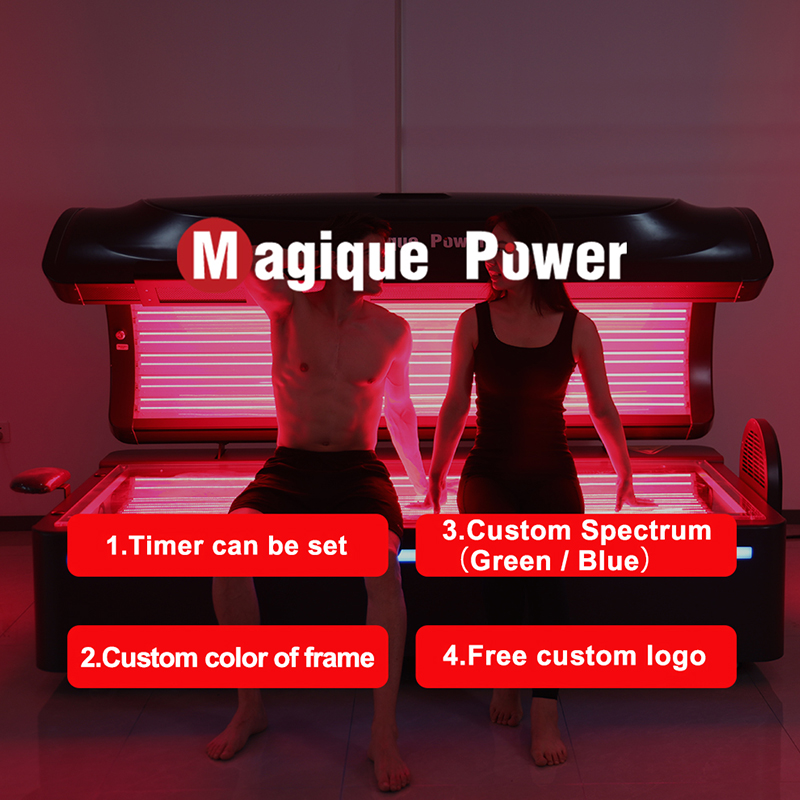
Why the surface-level fixes fail: technical gaps in therapy
When I say “under the hood,” I mean it. The core device people buy is often a glorified lamp, not a true photobiomodulation bed designed for clinical outcomes. Look, it’s simpler than you think: if the wavelength is off by even 10 nm, tissue absorption drops. That hurts therapy. I’ve seen units with low irradiance and thin LED arrays that can’t deliver the fluence needed for real change. We’re talking about power density and wavelength matching here — real engineering stuff, not marketing speak. (It’s annoying, frankly.)
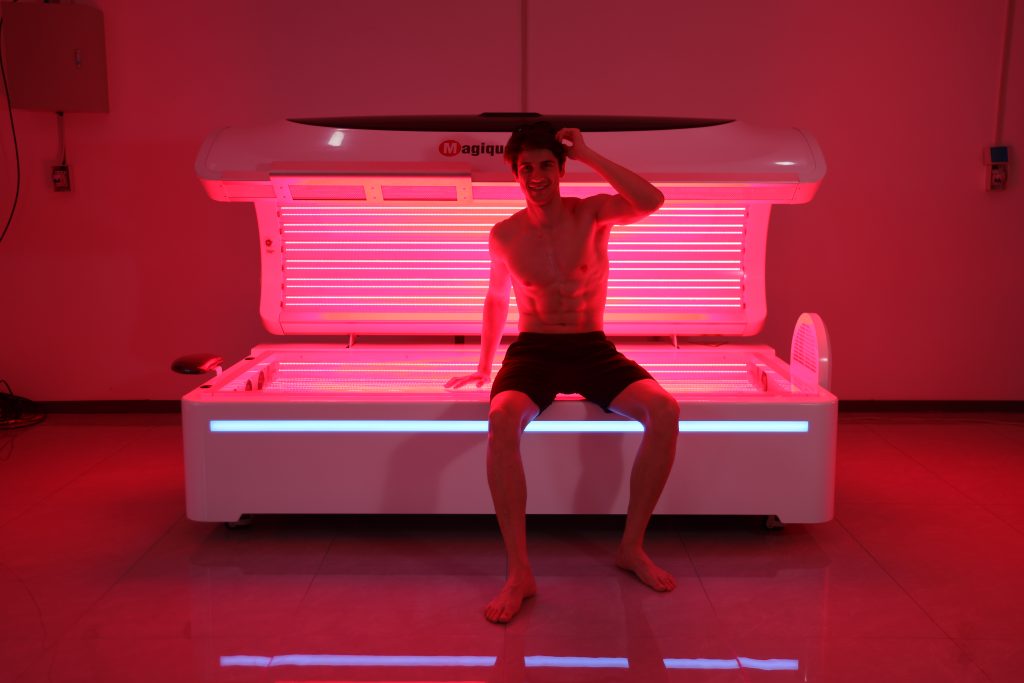
What exactly goes wrong?
Common flaws include uneven LED distribution, poor heat management, and weak power converters that throttle output over time. Those faults cause inconsistent dose delivery and reduce long-term effectiveness. I’ve watched clinics swap machines after a season because the visible results faded. Pulse modulation and duty cycle matter, too; continuous vs. pulsed light can change cellular response. If you care about measurable results, ask for irradiance curves and pulse specs — don’t accept a glossy brochure. — funny how that works, right?
Looking forward: principles, choices, and a practical checklist
Here’s where I shift from critique to guidance. New designs for the photobiomodulation bed focus on matchable wavelengths (630–680 nm and 800–850 nm bands), higher LED density, and verified power density across the treatment surface. That’s the technical principle: consistent dose, correct spectral mix, and robust thermal control. These upgrades improve penetration and tissue response. In trials I follow, devices with proper specs show faster, more reliable outcomes. We should favor those specs over hype. Short story: better engineering beats prettier panels.
What’s Next — practical steps
So what do I recommend you check when comparing beds? First, confirm the wavelength bands and ask for irradiance maps. Second, verify LED density and uniformity—look for specs on LED array and flux. Third, check power stability and cooling; poor thermal design reduces runtime and lifespan. Those three metrics tell you more than brand stories. I’d add user service and warranty to the list — because hardware needs care. You’ll save time and money by choosing wisely. Here’s a quick checklist: 1) Wavelength & irradiance, 2) Coverage uniformity, 3) Power stability & cooling. That’s it. I’ve tested several setups and I still go back to those three checks every time — they matter more than you’d think. For reliable gear and OEM support, see Magique Power.

