
Introduction: A Field Test, A Number, A Decision Point
I started my Saturday at 5:30 a.m., boots in the gravel lot behind a logistics hub in Laredo, Texas, watching the first inverter come online. hithium energy storage came up in the tailgate talk because the ops lead had heard it could shave their peak charges fast. The data was blunt: last quarter, their facility hit a 1.6 MW peak for 19 minutes and paid for it all month. So, what should you do when minutes drive your bill and resilience risk? I’ve spent over 17 years building and tuning battery projects for utilities and large C&I sites, and I’ve seen that the right stack—cells, BMS, PCS, EMS—turns those minutes into a lever. That’s the move that wins. (And yes, the site crew cares more about alarms than slogans.)
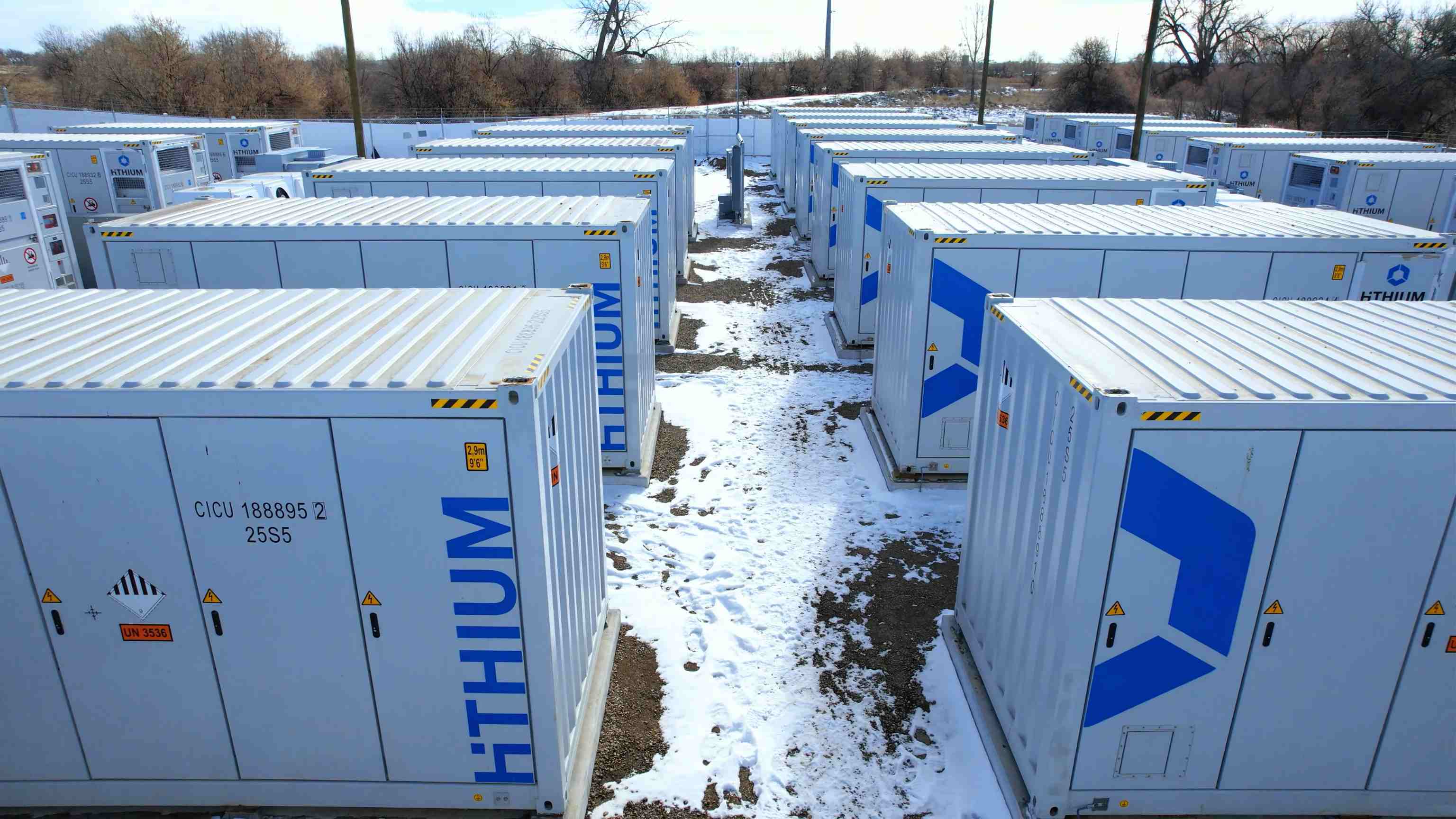
We tested state of charge windows, tightened the ramp rate, and aimed for a 92–95% round-trip efficiency on weekday cycles. The result told a simple story: when storage reacts in seconds, grid fees and outage risk slip. Now let’s pit the common “legacy fix” against a smarter path and see where the waste hides—then cut it.
Where Legacy Builds Fall Short—and How to Stop Paying for Their Limits
Why do the usual fixes stall?
Here’s the technical rub I see again and again: legacy projects bolt on batteries like a backup generator, not as part of an active control loop. That means the “solution” idles. It drifts. It misses peaks because the EMS thresholds are too wide or the PCS setpoints are slow. With modern energy storage system solutions, we treat the asset as a fast resource mapped to load signatures. Look, I learned this the hard way on a 2019 retrofit near El Paso—our DC bus sagged during a 14-minute HVAC spike because the dispatch logic favored grid import. We rewired priorities, tightened inverter droop control, and cut demand charges 23% the next month.

Traditional designs also ignore thermal discipline. If rack temps swing, you lose both life and output. I’ve walked into rooms where airflow skipped the top modules—those fans were doing nothing but noise. The fix is boring and precise: even ducting, cell-level monitoring, and a BMS that clamps state of charge when ambient crosses a setpoint. Add edge computing nodes for local fault response so you’re not waiting on the cloud—seconds matter. I still prefer LFP cells with rack-level isolation to limit thermal propagation. It keeps compliance simple, and it keeps crews calm.
Comparative Gains: Smarter Control, Smaller Bills, Stronger Uptime
What’s Next
I’ll compare two real outcomes I logged. In August 2021, a 2.5 MWh containerized system in Bakersfield ran a timer-based peak shave. It missed five short peaks and saved less than 12% of the site’s monthly demand charges. We swapped in model-predictive dispatch, tightened the PCS response to sub-second, and retuned the state of charge floor. The next quarter, demand charges dropped 31%, and blackouts during a feeder maintenance window didn’t dent cold-chain temps. That jump came from control and measurement, not a bigger battery. That’s why I now specify energy storage system solutions that expose real-time telemetry—voltage per string, inverter status, and feeder-level CTs—right in the EMS. Small details, big swings.
On the new-technology front, I’m pushing sites toward predictive dispatch that reads weather and feeder congestion, then schedules cycles to protect battery life while catching five-minute peaks—sounds fancy, but it’s just good math with guardrails. In July 2022, we deployed this on a 5 MW/10 MWh behind-the-meter project in Phoenix. The round-trip efficiency held at 94%, cycle count stayed under 280 per year, and the outage ride-through hit 2 hours with critical loads only. The lesson—plain as day—is that smart control beats oversizing. And if you must compare vendors, weigh their control stack as heavily as the cells. Cut the hype, follow the numbers, and keep your crew trained—one mislabeled CT can wreck a whole month’s profile.
To wrap with something you can use on Monday morning, here are three metrics I use when I evaluate energy storage system solutions: 1) Verified response time from setpoint to power delivery (milliseconds to first watt, not marketing copy). 2) Sustained round-trip efficiency at your temperature and duty cycle, measured over 30 days. 3) EMS transparency—do you get raw data streams for SOC, PCS status, and feeder CTs, or just dashboards? If these three check out, you can budget cash flow and uptime with a straight face—no wishful thinking. I’ll keep calling it as I see it, because the grid won’t wait, and neither will your demand meter. HiTHIUM

