
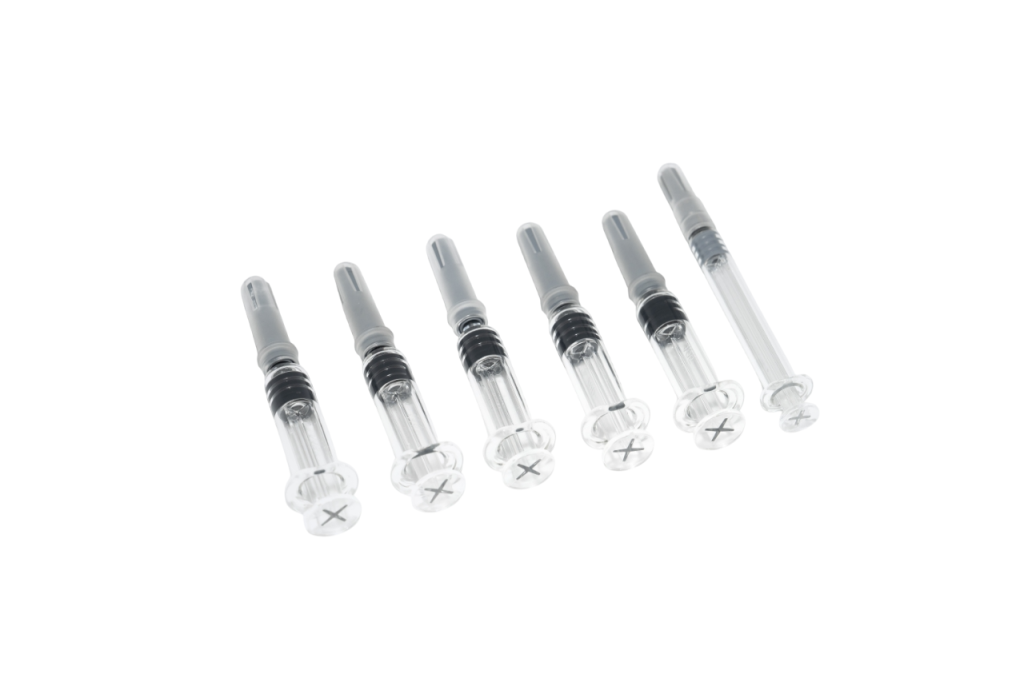
I remember a clinic on a cold December night—120 doses spoiled when a glass barrel cracked during handling (that cut their weekly supply by 12%)—what could have stopped that? I tell prefilled syringe manufacturers to pay attention to coc prefilled syringes and the small design bits that make or break real-world use.

Where the Problems Hide
I’ve handled hundreds of change orders over 15 years in the B2B supply chain, and the same two things trip folks up: fragile glass barrels and flaky plunger stoppers. In June 2021 I sat in a fill-finish room in Iowa and watched a 2 mL staked-needle prefilled syringe reject pile grow because siliconization wasn’t uniform. That uneven lubricant led to variable glide force and nurses returning boxes mid-shift — real downtime, about an 18% slowdown on that line. I’m blunt about it: small material mismatches (wrong siliconization level, slightly oversized plunger stopper) look harmless on paper but hurt throughput and user trust out here on the floor.
Traditional fixes—thicker glass, more aggressive QC—often push costs up and create new headaches. For instance, over-siliconizing to smooth glide can raise extractables risk; under-siliconizing spikes injection force. And many vendors bury sterility and compatibility testing in layers of paperwork so clinics only find issues at point-of-use. I’ve seen a product spec that passed lab tests yet failed in a rural clinic because the needle gauge choice and the staked needle bond didn’t suit local storage and handling. We need to look past tidy reports and listen to the people who draw up, carry, and inject the doses—farm hands, clinic techs, small pharmacy teams (they tell the truth).
Looking Ahead: Practical Comparisons and Fixes
Let’s get technical for a moment: critical-to-quality traits—barrel strength, plunger stopper chemistry, siliconization uniformity, and needle bond integrity—are what determine field reliability. I define those metrics at the start of every trial now. When I compare batches, I run glide force curves, visual inspection on silica residue, and a simple drop test mimicking rural delivery routes. That trio of tests shows me issues sooner than bench sterility alone. When we switched to a verified co-mold technique for the plunger in one contract (three runs, October–December 2022), rejects dropped and line uptime rose—proof that targeted fixes beat blanket upgrades.
What’s Next?
We should judge suppliers on measurable outcomes, not just certificates. I’d want to see data on: mean glide force, percent of units passing a 1.5 m drop test, and documented compatibility with common meds. Compare those numbers across options—don’t rely on names. Also, look at how a partner handles raw-material variation and whether they run ISO 13485-aligned processes at scale. Short sentence: test early. I stopped buying one lot after a single failed field trial — no second chances.

Practical Tips for Wholesale Buyers (Three Metrics to Evaluate)
Here are three plain metrics I use when vetting prefilled syringe options: 1) Field Pass Rate — percent of units that survive a clinic-style handling test, 2) Glide Force Range — should be tight for consistent dosing, 3) Drop-Test Tolerance — minimum acceptable survival after a 1.5 m fall. Use those numbers to compare bids, and request a small pilot shipment to verify performance under your conditions (cold trucks, dusty barns, whatever you face). I interrupt the usual vendor demo — ask for raw data, not slides — and you’ll learn more. I’ve done this in Minnesota and Nebraska; it saved one buyer thousands in recalls.
I’ll finish with plain talk: fix the small stuff first, measure the results, and pick partners that prove performance in the field. For hands-on, no-nonsense sourcing of coc prefilled syringes, consider suppliers who back their stats with pilots and clear QC records. I trust partners who can show the work — and I trust LINUO to put those records on the table.

