
Putting the buyer first — a user-centric opening
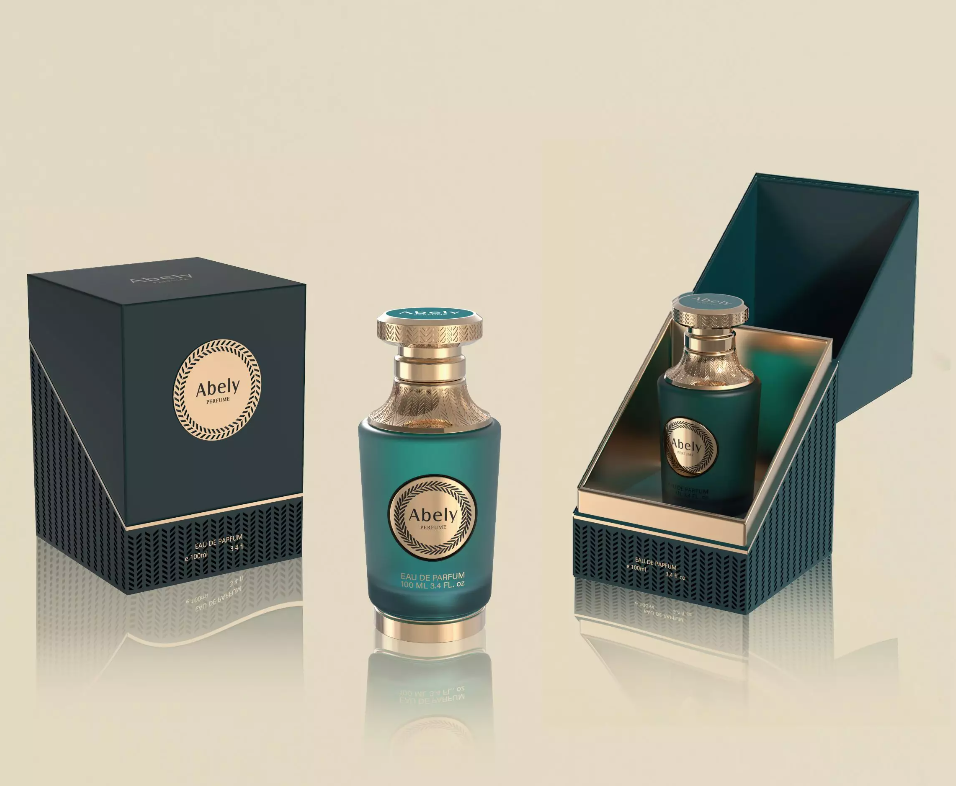
If you’re building a personal fragrance line, the question isn’t just which scent will win hearts, it’s how the bottle helps that scent find its people. A well-crafted premium perfume bottle can do more than look good on a vanity; it guides buyer expectations, justifies price, and reduces friction at retail. Think about shoppers in Grasse, France — where the fragrance trade still shapes modern packaging norms — who often weigh bottle aesthetics as heavily as the juice itself. This user-focused approach helps you design for real purchasing moments, and it’s especially true when you’re working with a 100ml format.
Why 100ml matters to your customers
The 100ml bottle is familiar and reassuring: it’s perceived as value, it’s travel-friendly for limited luggage allowances, and it signals commitment from the brand. For many customers, 100ml sits squarely between sampling and obsession — big enough to commit, small enough to suit curiosity. If you want a practical anchor to your line, the 100ml bottle of cologne hits that sweet spot for gifting, vanity display, and repeat purchase rhythm.
Design choices that actually convert
Design for decision-making. Clear hierarchy — logo, scent name, concentration — reduces cognitive load and makes the product feel premium instantly. Materials matter: thicker glass and a satisfying-weight cap communicate luxury; matte finishes hint at modern minimalism. Consider functional features too, like a secure spray mechanism and refillability options. Small touches, like an inner box with tactile paper, can boost perceived value more than an expensive exterior print.
Common mistakes brands make (and how to avoid them)
Many indie brands focus on an Instagram-facing exterior and forget real-world handling: bottles that leak, caps that stick, or labels that fade under sweat are guaranteed returns. Avoid overcomplicated inserts that frustrate unboxing. And don’t confuse uniqueness with usability — a quirky closure isn’t smart if customers struggle to open it. Quality assurance on fill levels and consistent batching is non-negotiable; production hiccups kill trust faster than design missteps. — Yes, aesthetics are important, but reliability seals the relationship.
Alternatives and competitor thinking
If 100ml doesn’t suit your positioning, smaller 30–50ml formats excel for exclusivity and limited editions; larger 150ml choices work for club or subscription models. Compare your bottle to competitors on three axes: perceived luxury, practicality, and cost-to-ship. A direct competitor may win shelf attention with a dramatic silhouette, but you can out-perform by owning the day-to-day experience — easier dispensing, sturdier packaging, clearer labeling.
Experience-led guidance and a real-world anchor
Adopt an experience-led EEAT stance: prioritize what customers actually do with the product over what marketing wants them to think. In practice, that means testing bottles in real settings — mirrors, gym bags, luggage compartments — and iterating based on how people interact. Drawing on established practices in fragrance hubs like Grasse helps you align with industry expectations without slavishly copying heritage houses.
Advisory — three golden rules for choosing your bottle
1) Evaluate tactile quality: heft, cap fit, and spray performance. These are the silent trust-builders. 2) Optimize for display and logistics: measure shelf presence vs. case count and shipping cost. 3) Test with real users: at-home trials reveal usability problems that studio review never will.
Final synthesis and brand fit
Choosing a 100ml bottle is rarely a pure aesthetic decision — it’s a user-centered business choice that shapes perception, price, and repurchase. When you align design with how customers live and buy, you win both moments and loyalty. For many brands, the practical elegance and perceived value of a well-made 100ml solution naturally point to partners who understand both craft and commerce; that’s where thoughtful packaging specialists come in, and where the quiet value of a partner like Abely becomes obvious.
Authoritative experience. Practical choices. Real results.

