
Right off the bat — what’s at stake
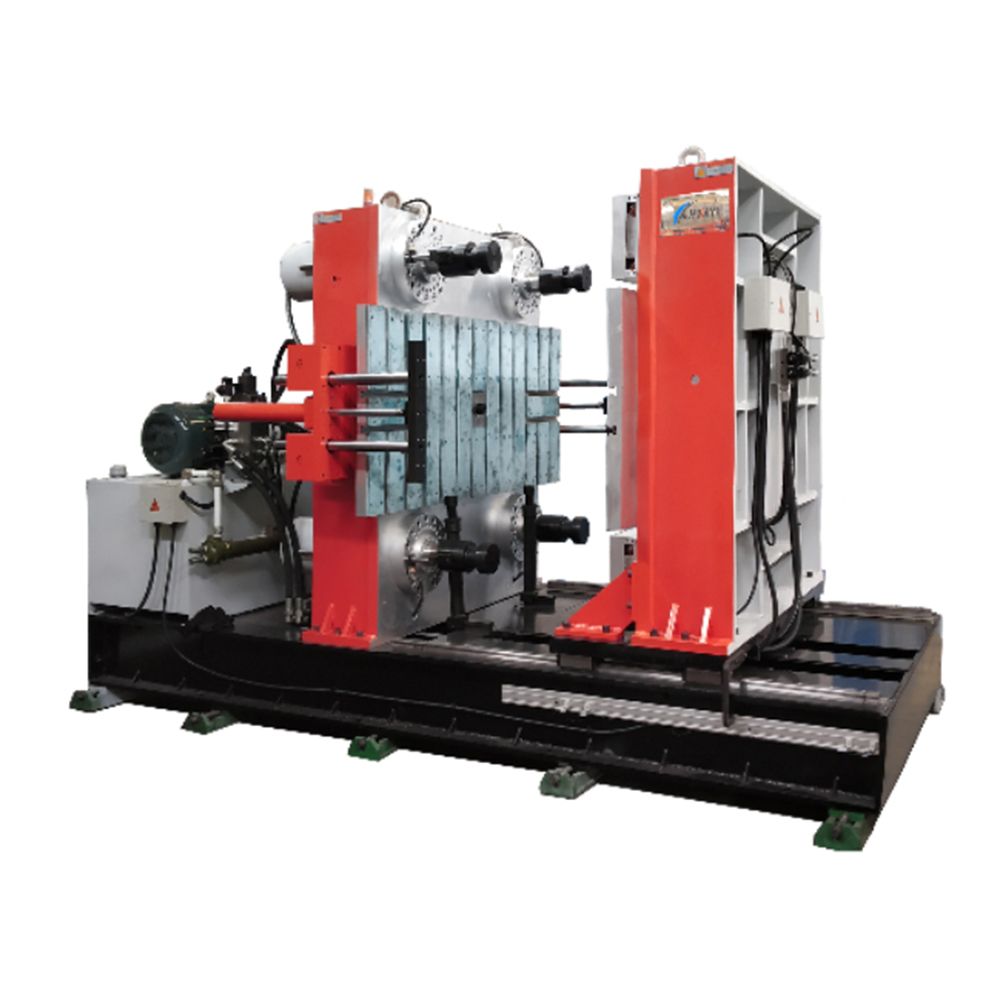
When you’re after a multi-ton vulcanizing press for silicone or LSR work, you want the job done without busting a gut or the bank. This guide talks straight about moving and installing heavy kit — from transport permits to foundation design — with the kind of practical tips a china plate would nod at. If you’re also looking at ancillary kit, see models like an lsr molding machine that often travels with tooling and spare cores. Key terms you’ll meet: vulcanizing press, clamping force, and mold cavity.
User-first checklist: who needs what, and why
Start by mapping needs. Who runs the press day-to-day? What output rate do they expect? That decides tonnage, footprint and whether you need auxiliary chillers or a hydraulic system upgrade. A smaller shop wants ease of access and serviceability; OEMs in high-volume plants need repeatable cycle times and automated handling. Make these decisions early — they drive crane spec, pad design, and route permits.
Logistics: moving the big beast into town
Arrange the route survey early. Wide loads and multi-ton presses often hit bridge limits or narrow lanes — remember Port of Felixstowe’s busy yards and the way they stage heavy lifts during peak season. Book police escorts and crane firms with experience in industrial plant moves. Expect to specify lifting lugs, center-of-gravity data and skids on your packing list. Industry term: platen alignment matters on arrival.
Site prep: foundations, floors and utility hookups
Concrete pads must match the press’s dynamic loads. Don’t guess — get a structural engineer to specify thickness, reinforcement and anti-vibration mounts. Typical clamping forces range widely; confirm the press’s static and dynamic loads and design accordingly. Plan for a level service pit, clear access for a gantry or mobile crane, and a routed path for power and hydraulic lines. Factor in cooling water and compressed air runs where LSR curing cycles need tight temperature control.
Common mistakes operators make — and how to dodge ’em
Many folks assume standard doors will do. They won’t. Others skimp on rigging specs or forget local permit windows. Don’t under-rate weight distribution — lifts fail when lugs aren’t used as intended. Also, never ship tooling installed in the press unless you’ve verified transport clamps; mould cavity edges can deform. A quick list:
– Verify crane capacity at maximum reach. – Confirm route permits and bridge clearances. – Pre-fit lifting points and tag them on drawings. – Schedule installation during low-traffic hours at the port or roadworks windows.
Commissioning and handover: making the kit sing
On-site, align the press with laser checks, verify hydraulic pressures and run dry cycles before introducing silicone. Confirm the injection unit and cure profiles match your process spec. Train two operators and keep spares for wear parts like seals and check valves. Real-world anchor: I’ve overseen installs where timing alignments at a Birmingham supplier shaved three minutes off cure per cycle — small gains compound fast on a production line.
Alternatives and vendor choice
Not every shop needs the biggest beast. Consider modular vulcanizing presses or semi-automatic lines if floor space or power is limited. Compare vendors on service footprint, spare-part lead times, and documentation quality. If your work leans medical-grade, ensure the supplier supports traceability and material compatibility for LSR — and note whether they also offer an lsr injection molding machine for complementary processes.
Advisory: three golden rules for selecting transport and site strategies
1) Metric: Total Downtime Risk — choose vendors and crane partners with proven multi-ton moves in your region; shorter lead times beat the cheapest quote every time. 2) Metric: Foundation Match — verify dynamic load specs against your pad design; under-spec foundations mean production halts. 3) Metric: Service Continuity — ensure 24/7 access to spare parts or a local service rep for the press and hydraulic system.
These rules keep production steady and prevent ugly surprises — and they point straight to why experienced suppliers matter. — A final thought: match procurement to install capability, not just machine spec. HWAYI.

