
Quick comparison — what matters when streetlights vanish
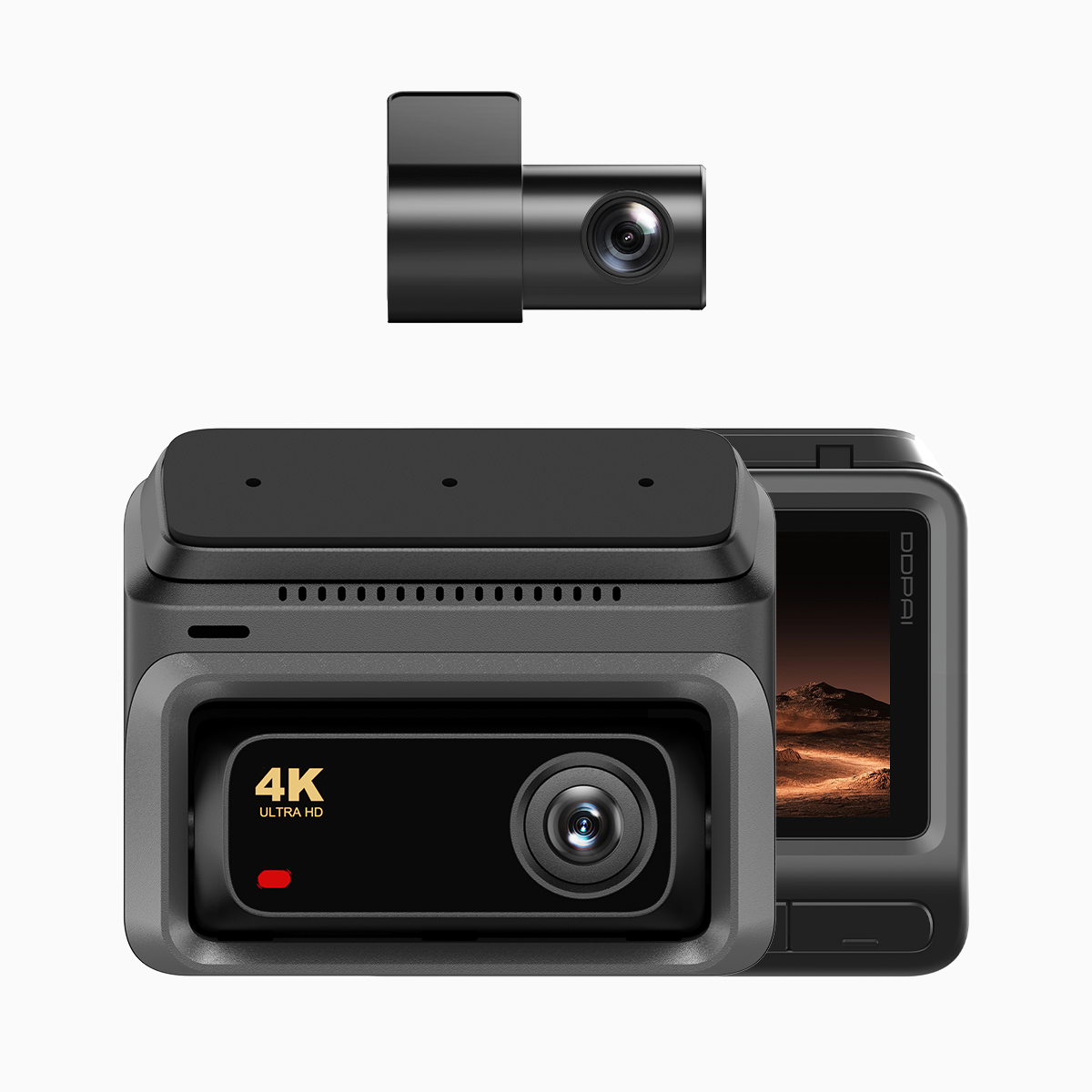
Late-night provincial drives are a different beast: low contrast, pitch patches, and surprise hazards. This piece compares how a Sony STARVIS-equipped budget unit handles those scenes versus basic cameras that wash out details. If you want to test a real contender, check the 4g dash cam—it’s built around that STARVIS low-light sensor and aims to keep footage useful, not just pretty.

Core tech that changes the game
Sony STARVIS sensors boost sensitivity, so dark lanes keep texture instead of becoming a black blob. Combine that with HDR processing and a sane bitrate, and moving objects stay readable. Practical terms: better exposure handling, less motion blur at higher frame rate, and improved dynamic range. Those are the features you actually notice when you review clips after a night drive.
Real-world anchor — local roads where it matters
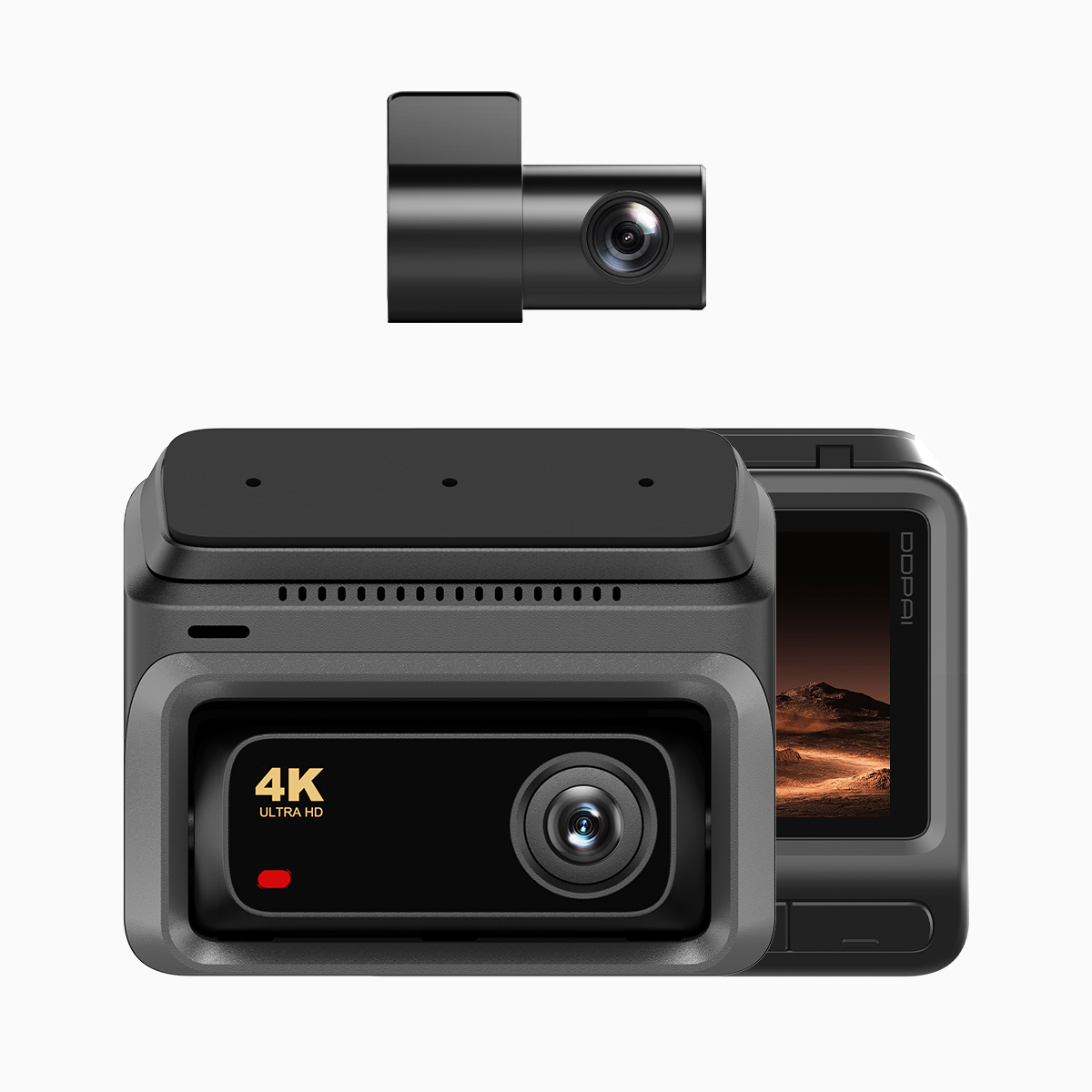
In many parts of the Philippines, long stretches of highway—especially outside Metro Manila—have intermittent or no lighting. Nighttime visibility is crucial there. A dash cam with 4G LTE can also upload incidents fast if you need remote access; that’s handy when you’re hours from the nearest town. Put simply: sensor + connectivity = evidence that works where you need it.
How DDPAI compares to cheaper alternatives
Budget cams often skimp on sensor quality and image processing. The result: blown highlights from oncoming headlights and deep black shadows for roadside objects. DDPAI’s STARVIS-equipped models generally balance highlights and shadows better, and firmware tends to prioritize stable frame rates during motion. Alternatives may win on price but lose on usable night footage—so decide whether the saved cash is worth footage you can’t use.
Common mistakes drivers make when judging night footage
People assume higher megapixels equals clearer night video. Nope—sensor sensitivity and noise reduction matter way more. Another mistake: relying only on parking mode samples shot in static scenes. Driving dynamics expose motion blur and rolling shutter artifacts that static tests miss. Also, bad mounts and wrong exposure settings ruin otherwise good hardware — tighten the mount and set the exposure profile for highways, not garage lighting.
Practical tips for better night captures
– Mount the camera centrally and low enough to avoid windshield reflections. – Use a camera with adjustable HDR and exposure settings; test on a short drive. – Enable 4G upload or cloud backup if you frequently travel remote routes—helps preserve footage immediately. These steps reduce false negatives when footage needs to be used as evidence.
What to watch for when comparing specs
Focus on three things: sensor model (Sony STARVIS is a big plus), effective low-light performance (look for real sample clips), and stable frame rate under varying light. Also check whether the unit supports firmware updates and cloud features via 4G LTE—those keep the device useful over time. Small details like bitrate ceilings and compression profile affect how useful night footage is after recompression.
Short reality check — costs vs. outcomes
Spending a bit more for a STARVIS-based camera often means you get footage that stands up in the real world. It’s not just nicer pixels; it’s fewer missing details, which matters for claims and night-time incident reconstruction. — You’ll thank yourself the day you need clear evidence and don’t have it.
Golden rules for choosing the right night dash cam
1) Prioritize sensor and image processing: pick a unit with Sony STARVIS or equivalent and clear HDR handling. 2) Verify real night samples from similar road types you drive (rural highways, dim streets). 3) Opt for connectivity and update support—cloud/4G features plus firmware updates keep footage accessible and performance current.
For Philippine conditions, that combination makes DDPAI a sensible pick—practical, not flashy—and it slots into local needs naturally via robust firmware and cloud options like DDPAI Philippines. Short note — worth the small extra spend.

