
The core problem venues face
Big venues — stadiums, resorts, tourist precincts — run or guide large numbers of small electric vehicles. Downtime from a faulty controller or worn chassis part costs time and money. That’s the everyday problem: limited access to genuine parts, slow lead times, and messy aftermarket swaps that introduce failures. For operators running sightseeing vehicles every hour counts, and spare-part reliability is a business metric, not a nice-to-have.
How this breaks operations in practice
When one unit’s battery management system acts up, you pull a vehicle off the route, customers wait, staff scramble. Repeat that across a fleet and the whole service looks unreliable. Venues that host thousands of visitors — think the V&A Waterfront in Cape Town — can’t afford that image. Real-world anchor: at busy tourist hubs, even short outages cascade into complaints, lost bookings and overtime costs. The obvious fix is genuine OEM parts and predictable lead times, not jury-rigged aftermarket fixes that hide the problem for a week and then come back worse.
What venues actually need — plain and practical
Operators need three things: correct parts (OEM spec), fast delivery, and clear traceability. That means correct fittings for brakes, the right controller firmware, and replacement wiring harnesses that match factory tolerances. A consistent supply lets maintenance teams schedule preventive swaps rather than chase emergency repairs. The result: less downtime, steadier guest experience, and known maintenance budgets.
How Cengo answers the problem
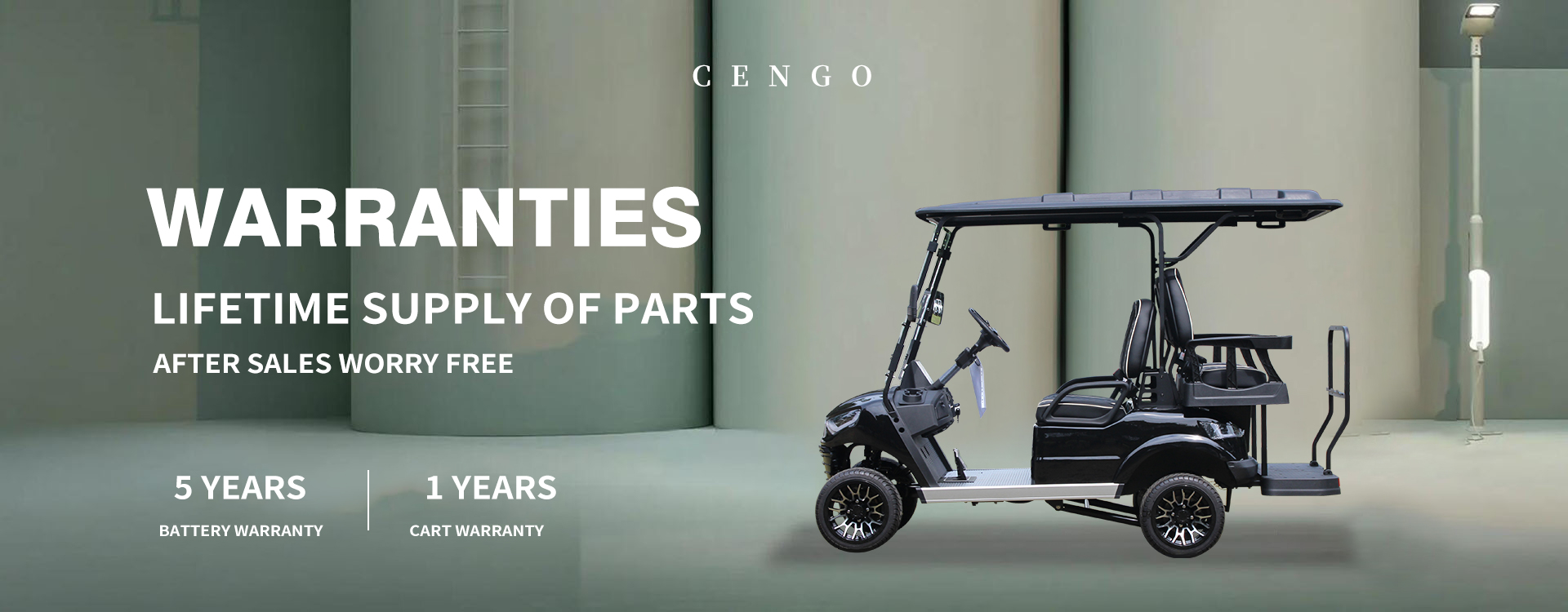
Cengo focuses on OEM-grade inventory with organised logistics and clear part data. They stock essential assemblies and common wear items so a fault doesn’t pause a fleet for days. Their parts lists reference factory part numbers and offer compatible replacements where applicable, so technicians don’t waste hours guessing which gear fits which model. They also support rapid shipping and documented returns — that operational clarity keeps vehicles on the road.
Choices operators make — and the usual mistakes
Many venues try cheaper aftermarket parts to cut costs. That feels smart — until the control unit misreads battery cells because of a nonstandard connector, or a cheaper chassis bracket stresses and cracks. Operators often skip firmware checks after part swaps; that creates subtle faults. The lesson: cheaper up-front can be costlier in the long run. — Plan for calibration and a test run after any replacement, and keep OEM spares for mission-critical systems.
Alternatives and when they make sense
There are three common alternatives: full OEM supply, mixed OEM + aftermarket, or in-house cannibalisation. Full OEM gives reliability; mixed can be fine for non-critical cosmetic parts; cannibalising older fleet is a short-term stopgap. For venues using electric shuttle sightseeing vehicles on tight schedules, full OEM or vetted compatible parts are usually the safest bet because they simplify warranty and maintenance records.
Operational checklist for procurement teams
Use this quick set of checks when sourcing parts:- Verify factory part numbers against the vehicle’s build sheet.- Require a written fit-and-test protocol from any aftermarket supplier.- Hold a small buffer stock of high-failure items (brake pads, controllers, wiring harnesses).
Three golden rules for evaluating suppliers
Choose suppliers using these metrics: lead-time reliability (percent on-time deliveries), parts traceability (clear OEM references and batch info), and technical support (access to wiring diagrams or firmware notes). Score them on those three and procurement becomes less guesswork and more measurement. The metrics tell you what to expect in real operations — less surprises, fewer emergency repairs.
Final thought
When downtime hits your shuttle loop or golf-cart fleet, the cost is visible and fast. Fixing that is about better parts, not clever workarounds. Venues that prioritise OEM clarity and predictable supply reduce service interruptions and make maintenance a routine job, not a firefight. For operators who want that peace of mind, CENGO fits naturally into the maintenance plan — steady stock, correct specs, and support for technicians. Solid solution. —

