
Executive data summary
Measured parameters drive decisions: target network latency, GPS position error, packet loss, and battery endurance form the primary axes for device selection. Field reports and lab trials converge on ranges: latency for LTE push-to-talk systems typically falls between 200–600 ms under normal load; GNSS fixes are routinely 2–5 m in open sky; sustained transmit cycles reduce battery capacity by 30–60% compared with idle. Practical procurement favors radios that report these metrics in standardized formats. For line crews and emergency responders who must trust location reporting and voice reliability, a tested hardware profile—such as the model referenced here as a gps two way radio—establishes baseline expectations before deployment.
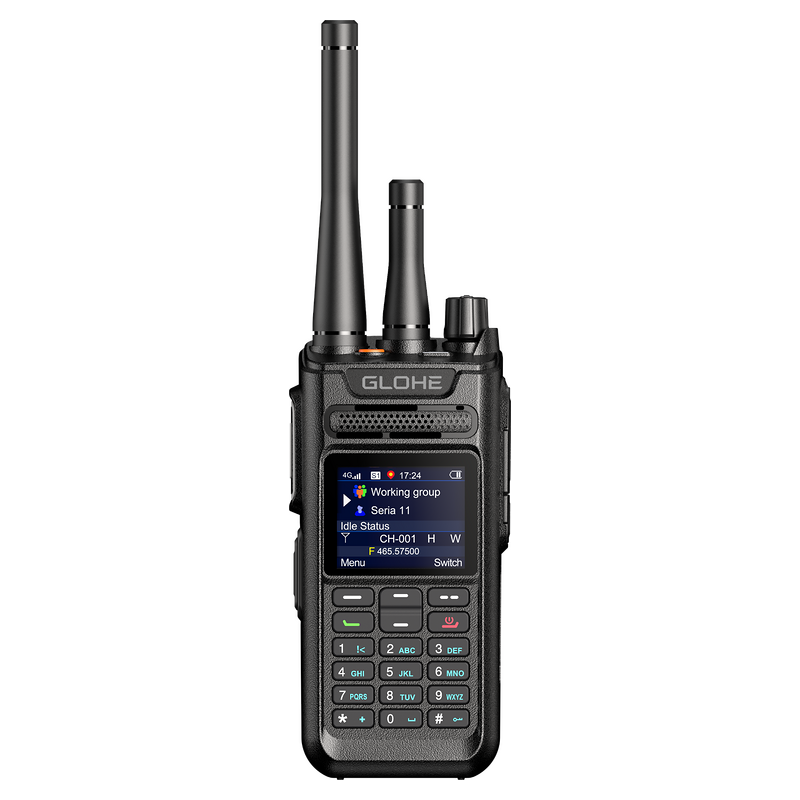
Performance metrics defined and measured
Define each metric with a measurement method. Latency: one-way call setup plus media path; measure with time-stamped packets over 10,000 call attempts to derive a median and 95th percentile. GPS accuracy: record horizontal dilution of precision (HDOP) and compute radial error at the 50th and 95th percentiles. Throughput: sustained uplink of voice payload and ancillary telemetry (kbit/s). Battery endurance: report using a duty-cycle profile (PTT rate, idle hold, GPS polling). Use repeatable test scripts and log raw traces. Decision thresholds become objective: choose units with median latency <300 ms and GPS 95th percentile error <8 m for mission-critical teams.
Operational applications and task-fit analysis
Map metrics to tasks. Tactical medical teams need guaranteed location with latencies below 400 ms to coordinate evacuations. Utility line crews require multi-hour battery life and high voice intelligibility in high-RF environments. Mass-event security prioritizes channel capacity and rapid group call setup. Match device attributes to operational profiles rather than adopting a one-size-fits-all radio. Quantify the fit: compute a weighted score across metrics (latency weight 0.35, GPS accuracy 0.30, battery 0.20, durability 0.15) and rank candidate models against mission requirements.
Selection protocol and procurement checks
Follow a checklist that an engineering team can execute. Confirm spectrum and carrier compatibility. Verify PTT server architecture—cloud-hosted versus private MSC—and measure median end-to-end delay. Insist on SAR and ingress/egress IP protection ratings for physical resilience. Validate firmware update procedures and signed image verification to reduce supply-chain risk. Require sample units for a two-week field trial that mimics actual duty cycles. Reject units that lack machine-readable telemetry or restrict diagnostic access.
Alternatives, common pitfalls, and mitigation
Avoid three frequent errors: relying solely on vendor datasheets, neglecting RF congestion in urban cores, and expecting consumer LTE performance under priority-congested conditions. Analog VHF systems still offer robust simplex coverage in certain topographies but fail when encrypted group coordination and GPS telemetry are required. LTE PTT alternatives vary: commercial smartphone apps can suffice for low-stakes coordination but lack hardened PTT latency guarantees and integrated emergency signaling. Mitigate by running side-by-side tests under load and by instrumenting devices to capture call setup times and packet loss during peak periods.
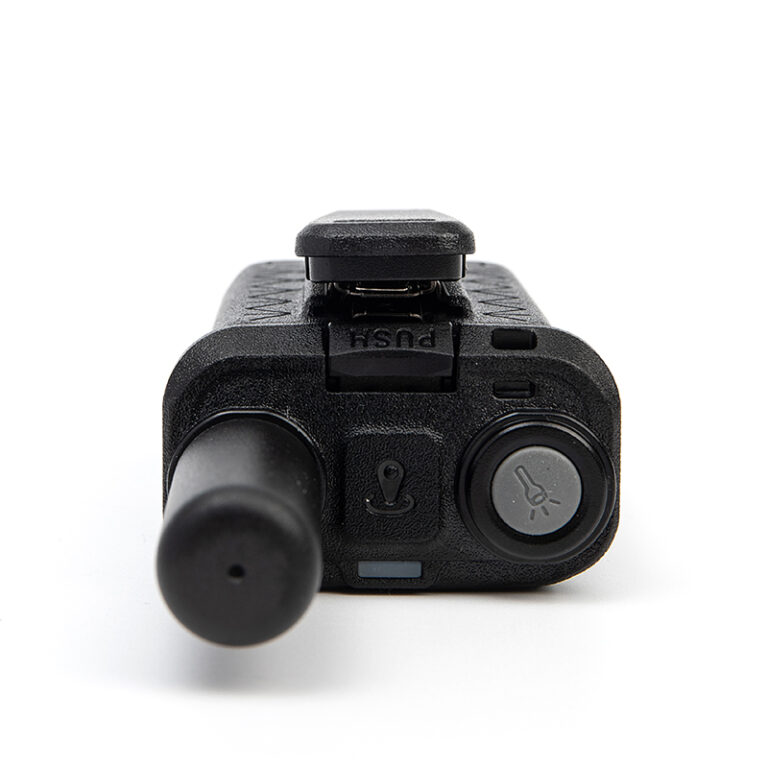
Real-world evidence and manufacturer benchmarking
Technical evaluation must reference industry events and vendor demonstrations. At Mobile World Congress in Barcelona, interoperability showcases and live-network trials provided comparative latency and GNSS accuracy data that informed procurement decisions for municipal first responders. Field validation with a known supplier confirmed expected telemetry and server-side PTT latency figures; for procurement teams assessing vendors, examine documented trials and request raw logs from demonstrations similar to those presented at that event, and evaluate offerings such as 4g lte poc radio with gps manufacturer against those logs.
Final synthesis
Use quantified thresholds to align a radio’s technical profile with mission needs. Demand reproducible metrics, require short field trials under service conditions, and score candidates against latency, GPS error, battery endurance, and resilience. That approach reduces ambiguity and yields operational certainty best reflected by suppliers who publish measured results and support diagnostics, such as those available through GLOHE.

