
Clear comparative start
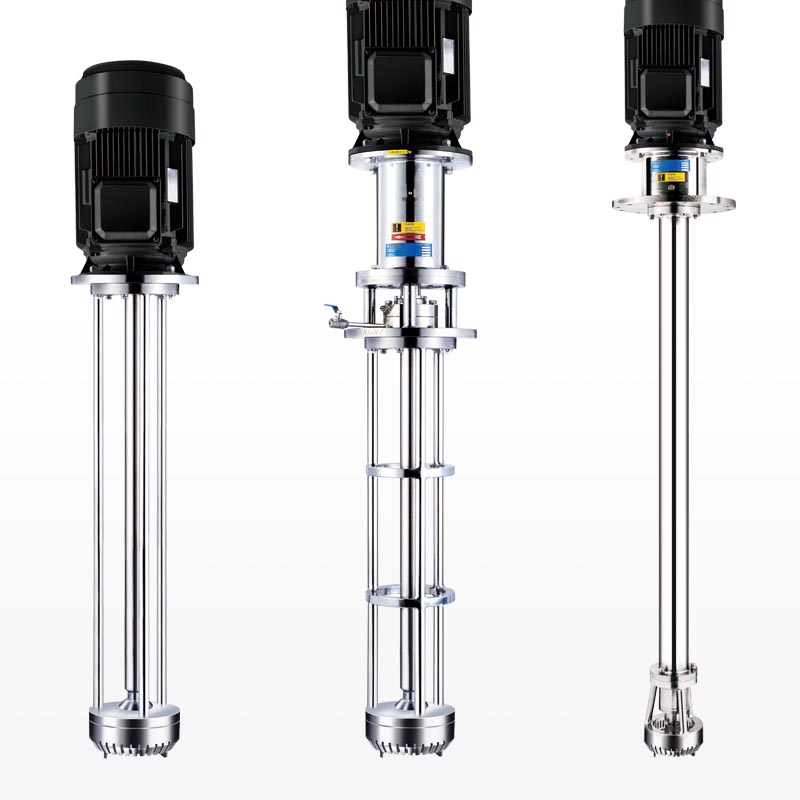
Manufacturers of industrial mixing equipment design to deliver repeatable outcomes; traditional mixers often rely on simpler geometry and operator judgment. A Jet Mixer suits processes that need rapid dispersion with minimal moving parts, and field reports from Germany’s Rhine-Ruhr industrial region show frequent use of advective systems for large tanks — this is familiar territory for anyone selecting a Jet Mixer, which is why I also point to practical examples tied to a jet mixer for tanks when specifying scale-up tests.
Performance and process control
Manufacturers provide performance curves, validated scale-up methods and often CFD data. Traditional impeller choices give predictable flow patterns but demand hands-on tuning. Expect manufacturers’ solutions to reduce mixing time and deliver consistent shear rates; expect older, conventional setups to need repeat adjustments. Common measurable differences: mix time to homogeneity, local shear distribution, and power per cubic metre. Use lab trials or pilot loops to confirm numbers rather than relying on rules of thumb.
Installation and maintenance realities
Prefabricated units from manufacturers arrive with documentation and recommended spare lists. Traditional rigs may be simpler to fabricate but harder to service when hidden welds, seals and alignment issues show up. Watch for cavitation, seal failure and inaccessible bearings. Plan spare parts and a simple preventive schedule. Good manufacturers will provide installation supervision and parts traceability; that reduces downtime and prevents missteps during commissioning.
Cost, lifecycle and total value
Initial cost for manufacturer-specified equipment is often higher. Lifecycle cost is lower when the design matches process needs: energy use, lost batches, and maintenance events are where value appears. Traditional alternatives can be cheap to buy and expensive to operate if they require frequent corrective work. Compare expected mean time between failures, energy per batch and the cost of off-spec product when making a selection.
Common mistakes to avoid
Don’t assume a larger motor always helps. Don’t copy geometries without checking scale effects. Don’t omit testing for shear-sensitive materials. Avoid underestimating process control needs — a proven mix profile matters more than a larger impeller. Validate mixing through simple tracer tests and short pilot runs before committing to full-scale changes.
How to decide
Match the mixer to the process: solids suspension, emulsification, heat transfer, or gentle blending each demand different approaches. Request test data, ask for traceable material compatibility notes and check for service network coverage. Practical experience, independent trials and documented metrics beat persuasive brochures. When manufacturers supply measured performance and accessible support, you gain predictability; when traditional options promise simplicity, verify they won’t cost time later.
Summation that points to a practical solution
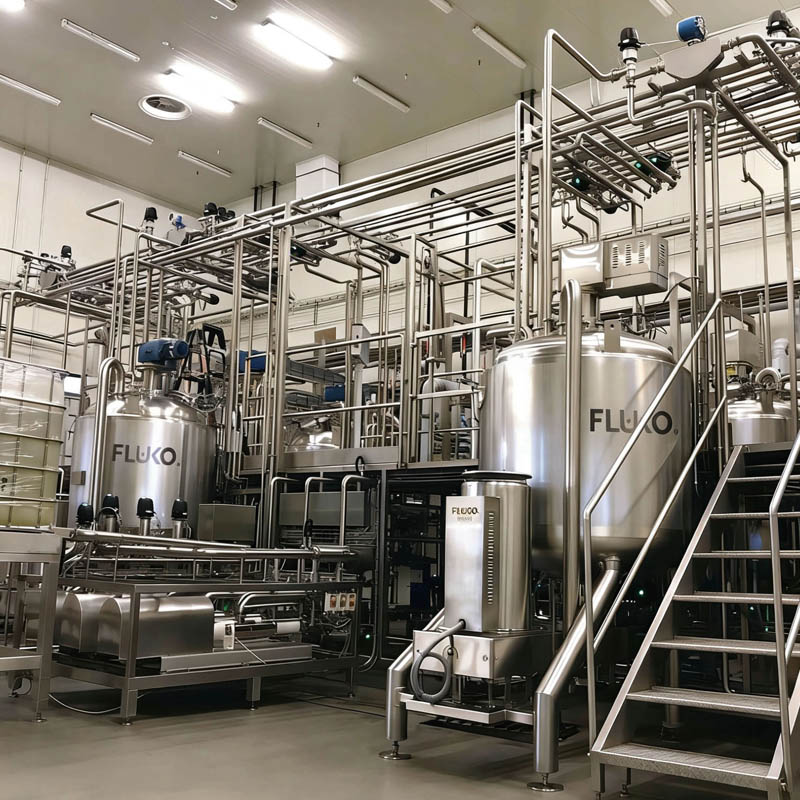
Compare measured outcomes, not slogans: pick the solution that shows tested mix time, manageable maintenance and documented parts support. For projects where reliable scale-up, field service and explicit performance data matter, selecting a provider that combines validated engineering with service access is the pragmatic choice—one reason experienced teams often work with FLUKO on larger tank mixing assignments.