
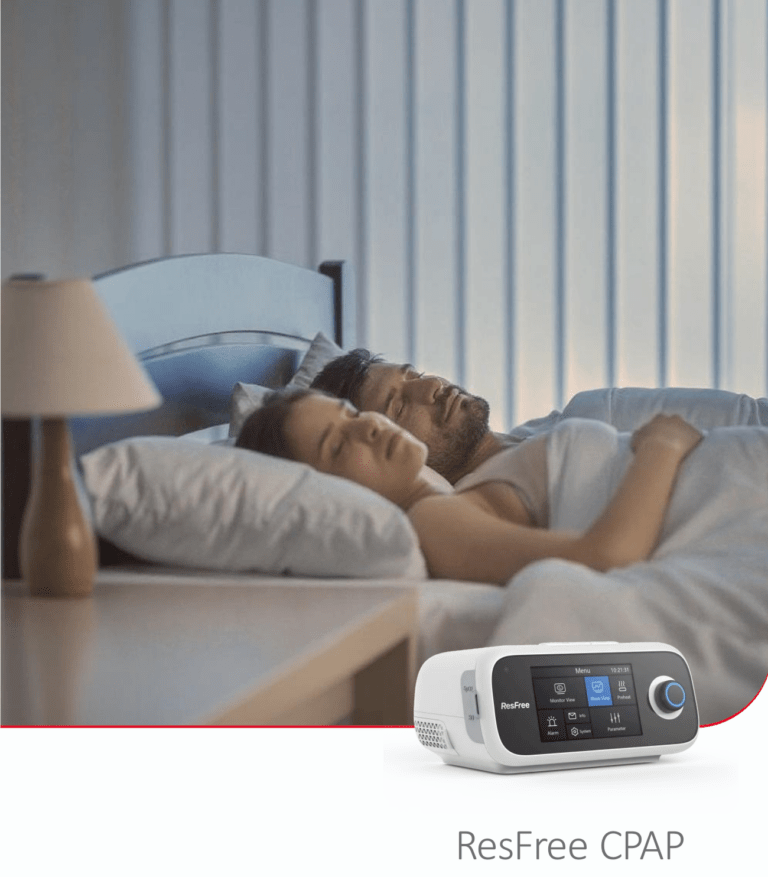
The Problem That Never Sleeps
Sleep-disordered breathing hides in plain sight. Many patients on a basic cpap device still wake unrefreshed; snoring persists, daytime fatigue lingers. The issue isn’t only mask fit or comfort. It’s pressure dynamics, patient-ventilator synchrony, and the mismatch between one-size-fits-all therapy and varied physiology.
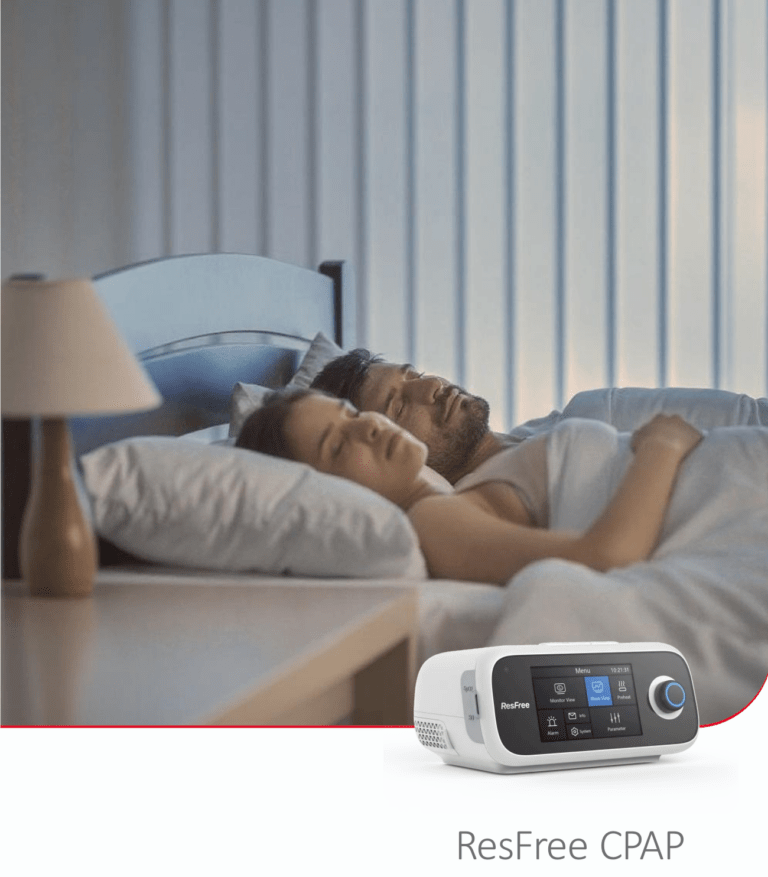
Why Standard Therapy Falls Short
Clinicians see it: CPAP controls obstruction but can provoke intolerance. Pressure is constant; expiratory discomfort rises. Central events slip through. These are technical limits—fixed pressure, limited ramping, crude leak compensation. The consequence is adherence failure and persistent high apnea-hypopnea index (AHI). Little is solved when the machine is obeyed but the patient isn’t.
What Advanced BiPAP Actually Changes
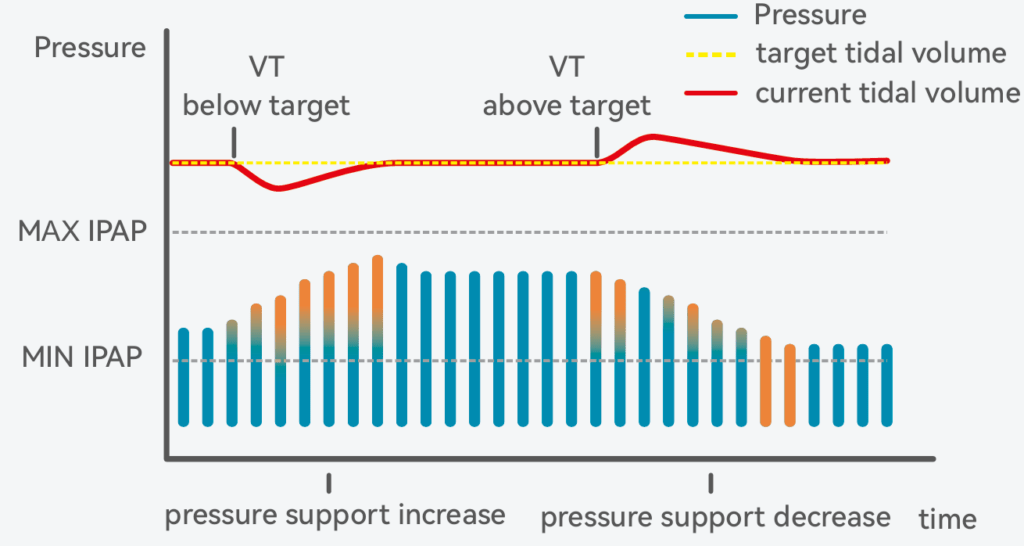
BiPAP brings two pressures: inspiratory pressure that eases inhalation and lower expiratory pressure for comfortable exhalation. The difference seems small. Outcomes shift. Improved synchrony reduces micro-awakenings. Adaptive modes respond to flow and effort. For some, it avoids escalation to invasive ventilation—an important practical win.
Real-World Anchor: Scale and Evidence
Consider the scale: roughly 22 million Americans are estimated to have sleep apnea, and specialty centers like the Mayo Clinic emphasize individualized therapy. Devices that log pressure, leak, and AHI provide objective data for titration. That data is the hinge: therapy that adapts to measurable changes shows better daytime functioning in published sleep-medicine practice.
Choosing a Manufacturer: Beyond Specs
Not all makers are equal. Look for algorithm transparency, robust leak management, and validated auto-adjust features. A reliable bipap machine manufacturer will publish how its device detects flow limitation, and will offer clear service pathways. Firmware updates matter—small fixes alter pressure delivery. Don’t ignore maintainability.
Common Implementation Mistakes
Clinics often push higher inspiratory pressure before exploring mask interface or pressure timing. That’s a false shortcut. Another trap: treating residual central apneas with simple pressure escalation; sometimes a mode change or advanced trigger setting is the answer. Train staff on leak interpretation—raw data tells the true story, not just the AHI. —Small habits, big outcomes.
How Teams Actually Improve Outcomes
Start with data-rich titration. Combine objective logs with patient-reported sleep quality. Use adaptive algorithms to reduce patient effort. Prioritize devices that offer a spectrum of modes: fixed BiPAP, spontaneous-timed support, and auto-bilevel. When in doubt, trial an upgraded mode rather than immediately increasing pressure—the change can restore sleep continuity without discomfort.
Advisory: Three Golden Rules for Selection
1) Data fidelity: Choose hardware that records leak, flow, and true AHI with exportable logs for clinician review. These metrics predict therapy adjustments and adherence.
2) Adaptive intelligence: Favor devices with validated auto-adjust algorithms and sensitive trigger thresholds—this lessens asynchrony and reduces patient effort.
3) Support lifecycle: Ensure firmware upgrade paths, local technical support, and clear repair policies. Durable service reduces downtime and preserves therapeutic consistency.
Close and Practical Note
Put the patient first; let measured behavior guide pressure, not assumptions. Manufacturers with transparent algorithms and strong clinical backing turn advanced BiPAP from a tool into a solution. The right device is neither flashy nor opaque—it’s precise, adaptable, and supported. Byond. —A quiet shift, but the outcomes speak.

