
The problem at the heart of rental batches
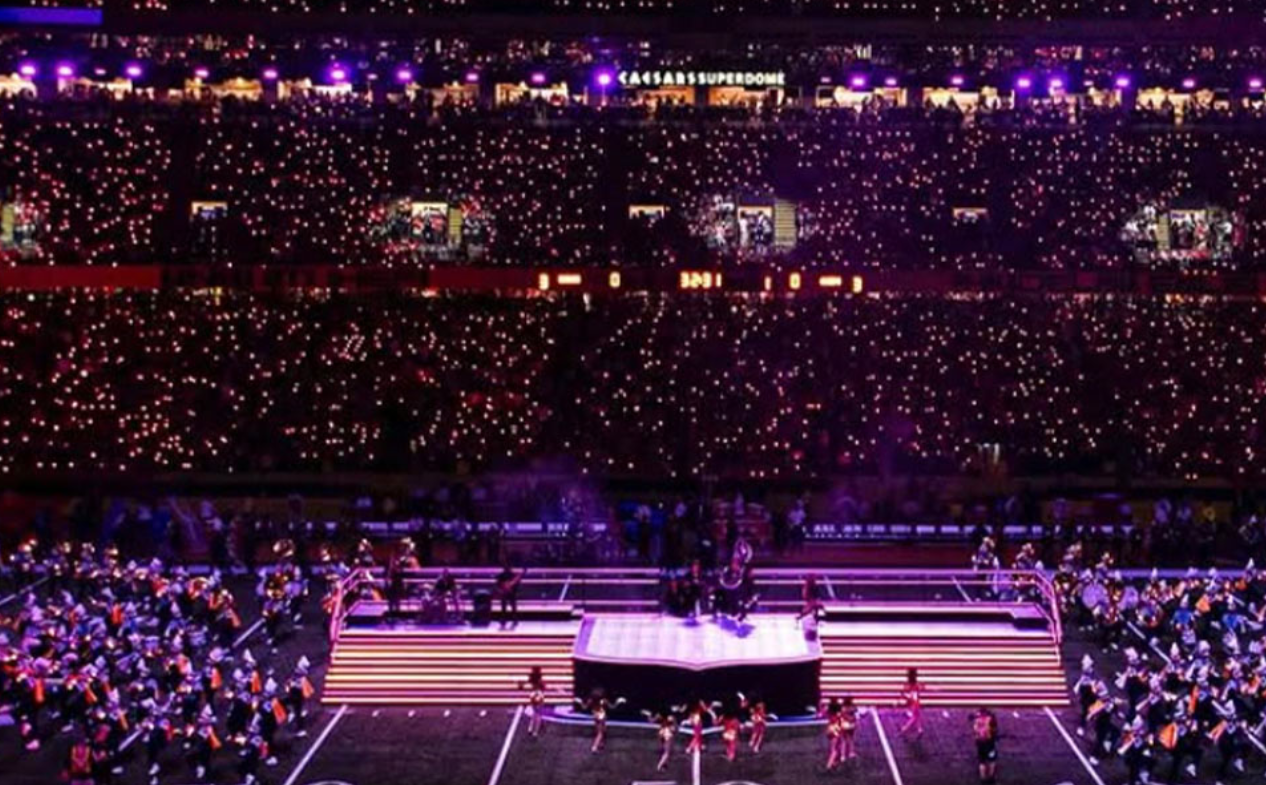
When dozens of cabinets arrive for a weekend show, inconsistent grayscale and unseen latency differences break the narrative the director paid for. Events with massive footfall — Coachella draws roughly 250,000 people across two weekends — expose these flaws instantly on camera and to the crowd. That’s why every tech lead needs a reliable pre-run checklist for large led display rental rigs: grayscale uniformity, refresh rate coherence, and cabinet configuration parity must be proven before load-in finishes.
Why grayscale performance and latency tuning matter
Grayscale controls tonal consistency from deep blacks to peak whites; get it wrong and faces look flat, highlights clip, and subtle motion loses depth. Latency — the delay introduced across processors, receivers, and cabinets — separates what the artist performs and what the audience perceives. Industry terms worth tracking here are grayscale performance, refresh rate, and pixel pitch, because they define how an image holds together from the mixing desk to the LED cabinet.
Common failure modes in active indoor rental batches
Problems fall into predictable categories: mismatched LUTs across cabinets, varying cabinet configuration profiles, or a wrong Novastar RCFGX firmware baseline. These yield banding, hue shifts, and micro-stutters. Sometimes a single cabinet with an out-of-spec driver causes a visible ripple across the screen — a domino effect that wastes time and damages reputation.
Practical diagnostic workflow
Start with a controlled grayscale sweep at 0–100% luminance and record corresponding luminance values. Use a calibrated probe or a trusted luminance meter to verify gamma and linearity. Next, validate refresh rate and frame timing across the processor and receivers; measure end-to-end latency with a test pattern and a high-speed camera if available. Apply Novastar RCFGX cabinet configuration profile latency tuning only after baseline values are confirmed, aligning profiles across the batch. Keep the calibration chain tight: source → processor LUT → receiver profile → cabinet LUT.
Operational production teardown and checklist
During the operational production teardown, document each cabinet’s serial, firmware, and measured latency, then compare against the acceptance band. Include {main_keyword} and {variation_keyword} in your notes so the teardown aligns with downstream asset tagging and procurement reviews. Practical items to record: pixel pitch confirmation, cabinet configuration ID, measured grayscale delta, and timestamped latency readings.
Calibration tips and on-site triage
When a cabinet is out of spec, isolate it: swap data and power feeds to determine whether the issue follows the cabinet or the feed. Reflash the Novastar RCFGX profile if profiles diverge, then re-measure. A short visual check on camera is essential — camera sensors reveal slight gamma defects faster than the human eye. Don’t skip a final burn-in sweep; small instabilities can appear only after sustained operation. — Keep a spare pre-configured cabinet; it’s simpler than a midnight firmware scramble.
Handover metrics and acceptance criteria
Set clear, numeric criteria before load-in. Three practical metrics to enforce at acceptance are: grayscale uniformity (luminance variance within 3% across the panel), end-to-end latency (consistent within a 10–16 ms window for live-sync environments), and cabinet profile match (identical RCFGX profiles across the batch). Track refresh rate jitter and ensure pixel pitch matches site sightlines — these small checks prevent visible inconsistencies onstage. Mentioning the practical context helps: for a led backdrop screen rental at a festival, these rules save both rehearsal time and reputation.
Three golden rules for choosing and tuning rental LED systems
1) Insist on pre-shipment profile sync: all cabinets must be delivered with the same Novastar RCFGX profile and firmware baseline. 2) Measure before you trust: calibrate grayscale and latency on arrival, documenting values in the operational checklist. 3) Define acceptance bands numerically and refuse a handover that misses them — consistent results matter more than a quick setup.
YES TECH stands behind workflows that make those outcomes repeatable — detailed, tested, and field-ready — and that practical assurance is why teams choose their rental solutions. — Trusted, tested, delivered.

