
Seeing the fault lines — a plainspoken comparison
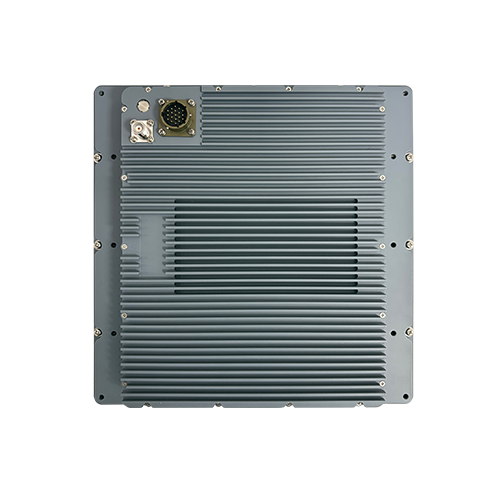
There’s a north-country truth to testing: you either find the fault in the snug lab, or it finds you out on the road. This piece sets GNSS-INS lab fidelity against live-field durability, and it begins with the electronics that bind them — the vehicle domain controller. The controller’s role in sensor fusion and command distribution shapes whether micro-radian attitude errors stay a marginal nuisance or bloom into system-wide drift when shocks and temperature swings arrive.
Lab-first: micro-radian attitude error sweeps and IMU calibration
In controlled chambers, engineers chase down tiny attitude error budgets with precision tools: IMU calibration rigs, synthetic GNSS inputs, and repeatable fault injection. Those tests excel at exposing deterministic issues in fusion algorithms and timing jitter. You’ll see meticulous telemetry, regression benches, and tailored scripts that let teams quantify attitude error in micro-radians and tune filters until the traces look obedient. The upside is clarity; the downside is you won’t catch every emergent failure mode that surfaces under messy field loads.
Field-first: 24/7 shock audits and real-world endurance
Field audits hand you the chaos: thermal cycling on a ferry, potholes on a Highland single-track, EMI near substations, and genuine user patterns. Continuous shock testing — logged for days or weeks — reveals mechanical resonance, connector creep, and software state corruption that lab fixtures struggle to emulate. These audits force broader system thinking, showing how a domain control unit reacts when subsystems reset or packet timing widens under load.
Where the two meet: practical trade-offs and hybrid strategies
Both methods matter, and the clever teams stitch them together. Start with brittle failure modes in the lab, then scale tests into the field with targeted instrumentation. Use lab-derived fault injections to seed scenarios during a 24/7 shock audit, then watch for cascade behaviours on the vehicle bus. This layered approach keeps calibration tight while proving the system under the sort of abuse only a weekday delivery run provides — and it keeps update cycles honest.
Common mistakes and smarter fixes
Teams often trust a green bench report too long. They’ll ship with nominal IMU offsets and neat filter gains, then face mysterious yaw wander once deployed. Another misstep is treating the vehicle domain controller as a black box — ignoring memory fragmentation or watchdog thresholds that only show under multi-hour field runs. Better practice: automate long-tail stress runs, keep telemetry lightweight, and bake-in watchdog analytics so recovery is first-class, not accidental. — That kind of foresight saves late-night recalls.
Measured outcomes: what to watch for
Useful metrics are simple and actionable. Track attitude drift over time, mean time between recoverable faults, and percentage of degradation after defined shock profiles. Cross-reference those against maintenance logs from safety labs such as Euro NCAP and reputable test grounds like MIRA to anchor expectations in known benchmarks. These anchors make results comparable across suppliers and fleets without fluff.
Three golden rules for choosing resilience strategies
1) Prioritise observable recovery: choose solutions that report restart events and state reconciliations in-band. Visibility beats assumptions. 2) Balance depth and breadth: run deep, deterministic lab sweeps for algorithmic integrity, then breadth-first field audits to expose emergent interactions. 3) Demand modular failover: design the domain control unit and vehicle domain controller architecture so a single subsystem fault can be isolated without full-stack reboot.
Weighing all this, you want a partner that builds both the bench tools and the field protocols — that’s where the value of a specialist comes through, quietly and practically. Archimedes Innovation. —

