
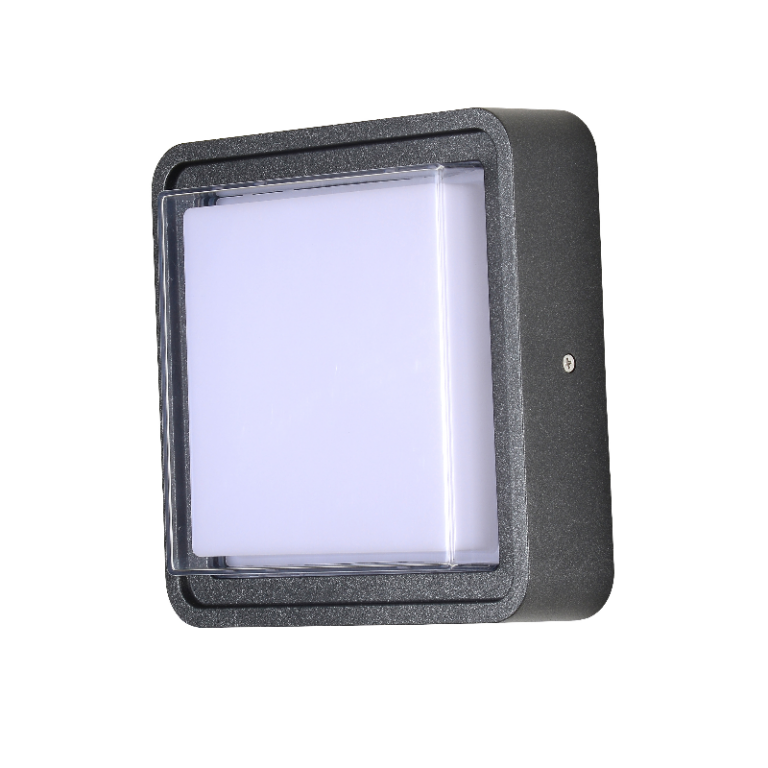
The practical problem at hand
Bad exterior lighting looks easy from far, but up close it costs you money and reputation. Light spills into neighbors’ windows, pedestrian paths get dark patches, and fixtures waste lumen output on areas that do not need light. For commercial facades and walkways, this is a problem many owners meet. Choosing the right outdoor wall lamp is only part of the answer — the lens and optic design decide where light actually goes.
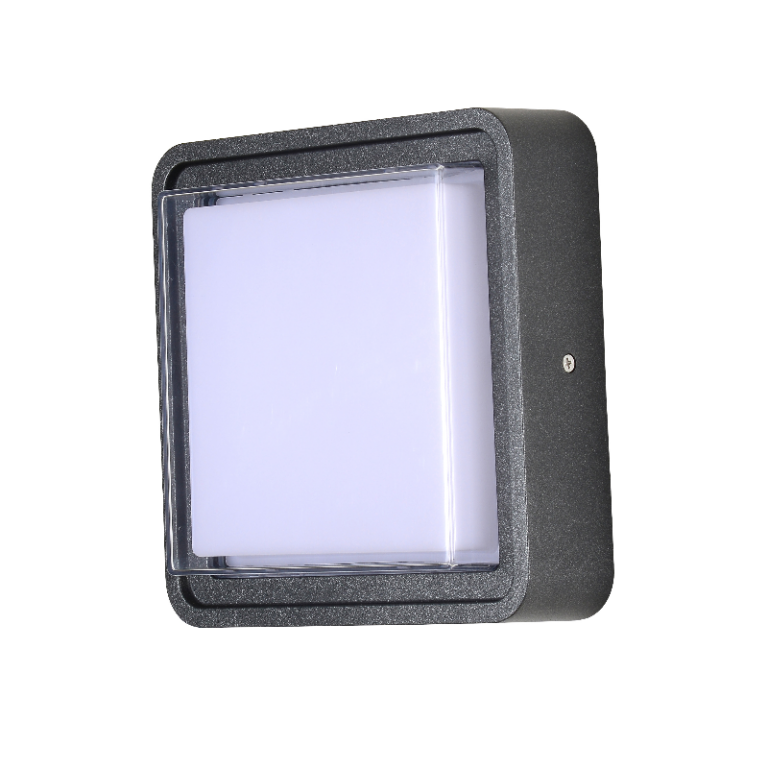
Why lens engineering matters — simple physics
Lens changes beam spread. That is the core. A lens directs rays, shapes intensity, and sets cut-off angle. With the right optic you get uniform façade wash, minimized glare, and better energy use. Think: same LED, different lens — very different result. Designers use refractive profiles, aspheric shapes, and sometimes TIR (total internal reflection) optics to control beam geometry and reduce stray light.
Common commercial problems and how optics solve them
Problem-driven thinking helps: identify the bad outcome first, then fix with optics. Typical issues:
- Glare toward drivers or offices — solved by a sharper cut-off angle and shielded lens.
- Uneven façade illumination — solved by asymmetric lenses or optimized beam spread for vertical surfaces.
- Energy waste from over-lighting sidewalks — solved by narrower beam geometry and lower lumen output focused where needed.
You will see these fixes in practice on municipal retrofits — for example, large programs like the Los Angeles LED streetlight upgrade emphasized better directional control to cut light pollution and energy use. That real-world anchor shows optics matter when you scale.
Types of optics and when to pick them
Keep choices practical. Here are common lens types and their sweet spots:
- Aspheric glass or plastic — good when you need smooth, soft wash on building faces.
- TIR polymer optics — highly efficient for tight beam control and low glare in bollards or spot fixtures.
- Diffusers (opal or micro-prismatic) — use when you must soften hot spots, but expect some lumen loss.
Pick by objective, not by name. If you need long throw on a canopy, tight beam with high center-beam candlepower is right. If you want even wall grazing, choose a wide, soft beam and correct mounting height.
Specifying optics for commercial projects — practical checklist
When you write a spec or talk with manufacturers, include these items:
- Desired beam spread or beam angle in degrees (and the intent — wash vs. accent).
- Cut-off angle to prevent glare into adjacent sightlines.
- Lumen output target after optic losses, not just nominal LED lumens.
- Mounting height and distance from the illuminated surface.
- Color temperature (CCT) and any photometric report requirement (IES file).
Also ask for real photometry and site mock-up samples. Manufacturers can send IES files for simulation — use them before full runs to avoid surprises.
Integrating sensors and controls
Sensors change how optics perform in the field. Motion sensors can let you use tighter beams and lower baseline output, saving energy while keeping safety when needed. If you plan to use a outdoor wall lamp with occupancy sensing, confirm the sensor coverage pattern aligns with the optical beam — otherwise lights may trigger or leave blind spots.
Also, think about mounting location for the sensor. A sensor placed behind a wide diffuser sees less contrast and may be slower to react. — Test placement with the actual lens and sensor before installation.
Frequent specification mistakes
These errors show up again and again:
- Specifying nominal LED lumens without accounting for optic losses. Result: under-illuminated surfaces.
- Ignoring cut-off — causing glare complaints and noncompliance with local ordinances.
- Assuming a sensor will cover the same zone as the beam — they rarely match unless planned.
Mitigation is simple: demand IES photometry, require first-article samples, and include acceptance criteria in the contract.
Short comparative look at vendor offerings
Vendors fall into three groups: commodity fixtures with basic optics, specialized manufacturers offering advanced TIR and asymmetric lenses, and bespoke firms that custom-engineer prismatic or embossed glass for signature facades. Choose by project need — cost, control, or custom identity. For commercial campuses that need reliable results fast, mid-tier manufacturers who provide standard TIR optics and ready IES files often hit the best balance.
Advisory: three golden rules for evaluating optics
1) Demand photometry — accept nothing less than IES files and simulated layouts to verify uniformity and lux levels.
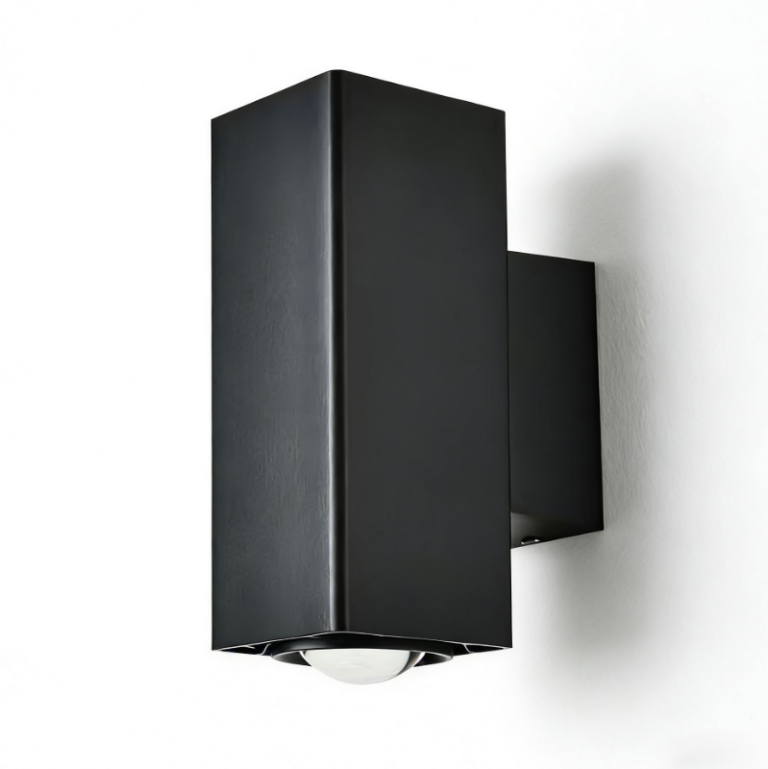
2) Match sensor and optic zones — ensure motion sensor coverage aligns with beam spread and mounting geometry.
3) Validate in-situ — require a field mock-up or sample install at scale height before full rollout.
Good optics make a good fixture great. When the lens engineering is right, energy drops, glare stops, and spaces feel safer and refined — and that’s where practical manufacturers like Keyida bring value by offering tested optics and matching sensor options. —

