
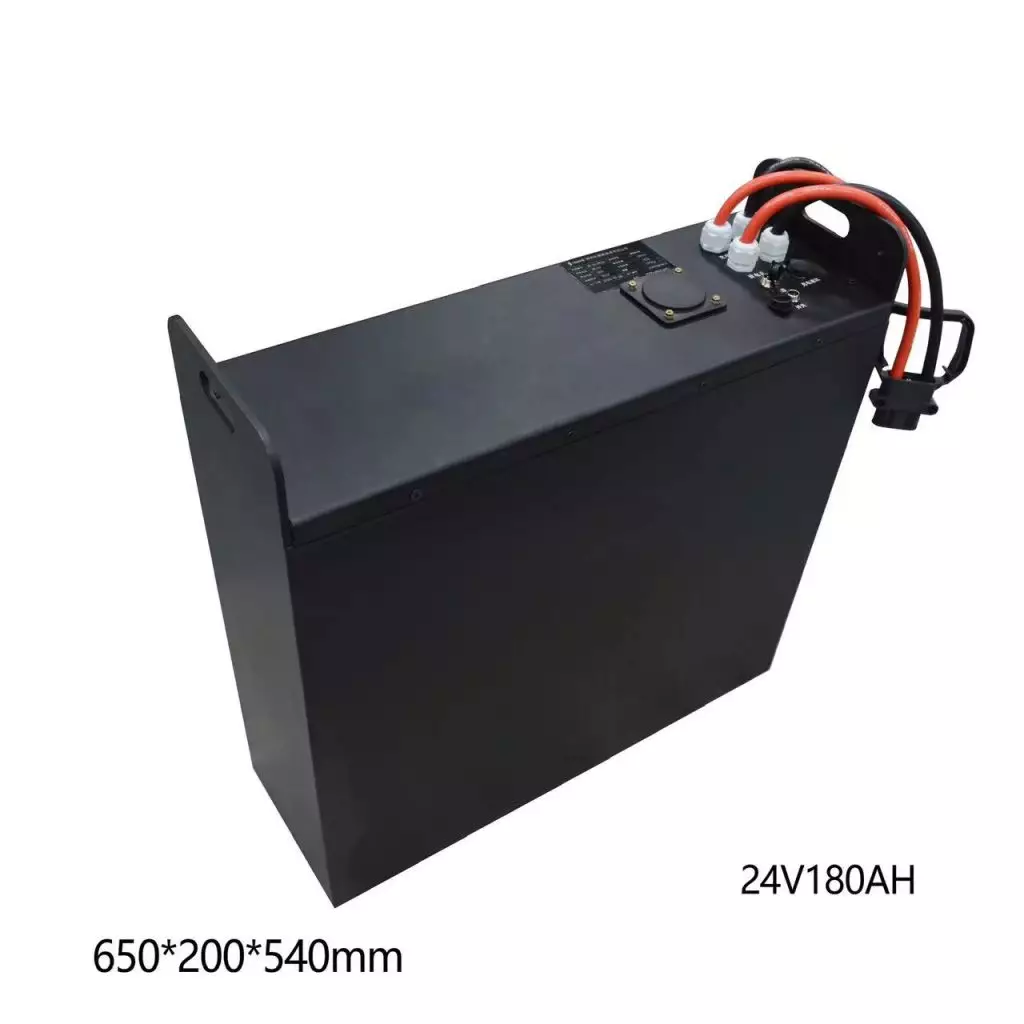
Why Lithium Batteries Matter
Picture this: you’re out in the field, miles away from easy access to power, and your equipment dies. Data shows that over 85% of energy storage systems today rely on lithium batteries for their efficiency and reliability. With lithium battery powering everything from electric vehicles to portable electronics, their importance cannot be overstated. But how well do you really know these essential power sources? I remember when I first started using them—I was pleasantly surprised, but there were also things I wished I’d known about their limits and potential issues.
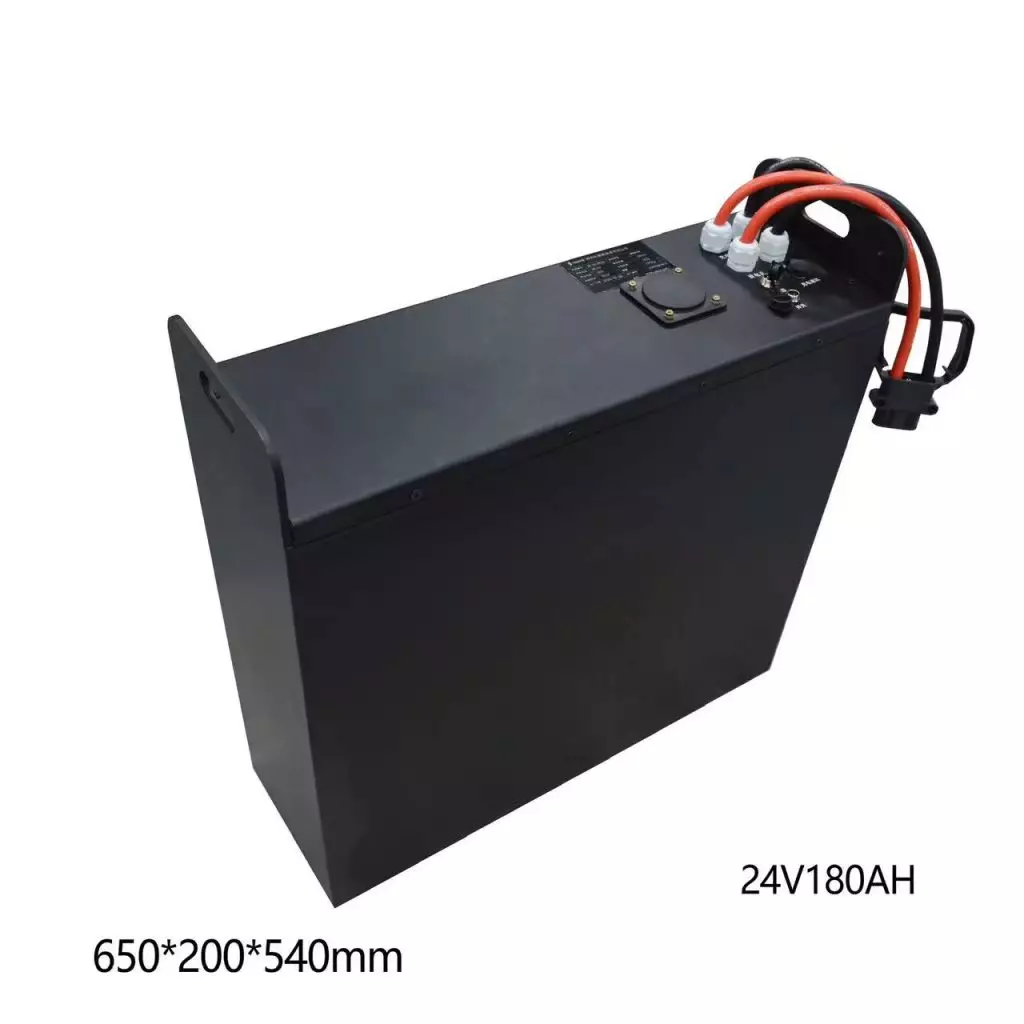
Understanding Traditional Problems
Let’s get straight to the point. Traditional battery solutions often fall short in areas like longevity and performance, leading to user frustrations. For instance, I often encounter field workers who find that older generations of batteries wear out quickly or even fail to charge under specific conditions. Rarely do we hear about the real pain points—like the lack of eco-friendliness in lithium extraction or recycling. This makes it vital to consider alternatives and improvements in energy technology (hello, sodium battery companies!
What’s Wrong with Current Solutions?
In traditional setups, users often battle with short lifespans. My buddy Dave once told me his lithium battery-powered drill barely lasted through a week in the summer heat. Frustrating, right? Current tech holds us back from the hefty gains we envision. It’s key to dig deeper into these shortcomings and understand what we truly need. In the face of change, recognizing flaws becomes a catalyst for improvement.
The Bright Future of Energy Solutions
Now let’s look ahead. There’s promising innovation happening within the realm of energy storage. With advancements in both lithium and sodium technologies, we are stepping into a new era of possibilities. Sodium—that’s right! I’ve been keeping an eye on sodium battery companies and their strides in creating cheaper, more sustainable battery options. Isn’t that exciting? As electric vehicle production ramps up and renewable energy sources become increasingly essential, innovative energy solutions will become vital for our infrastructures to thrive.
Real-world Impact
New battery technology isn’t just theory. It’s already making waves. Some companies are transitioning to sodium batteries and finding that operational costs can drop dramatically while efficiency often rises (a win-win!). Keeping up with these trends not only helps investors but also empowers users. It’s more than a battery; it’s about shaping energy use for tomorrow. Let’s break the shackles of outdated technology and embrace what lies ahead—think longevity, sustainability, and performance.
Lessons Learned and a Path Forward
Reflecting on my journey with lithium and exploring the alternatives, I’ve learned some key insights that can help guide your choices. First, always consider the longevity and resource efficiency of the battery type you choose. Second, look into the environmental implications—ask manufacturers about their recycling processes. Lastly, evaluate the cost-benefit ratio carefully; sometimes, the initial price can be misleading. I still remember my first experience buying batteries that left me quick to regret. Less is sometimes more when it comes to sustainability!
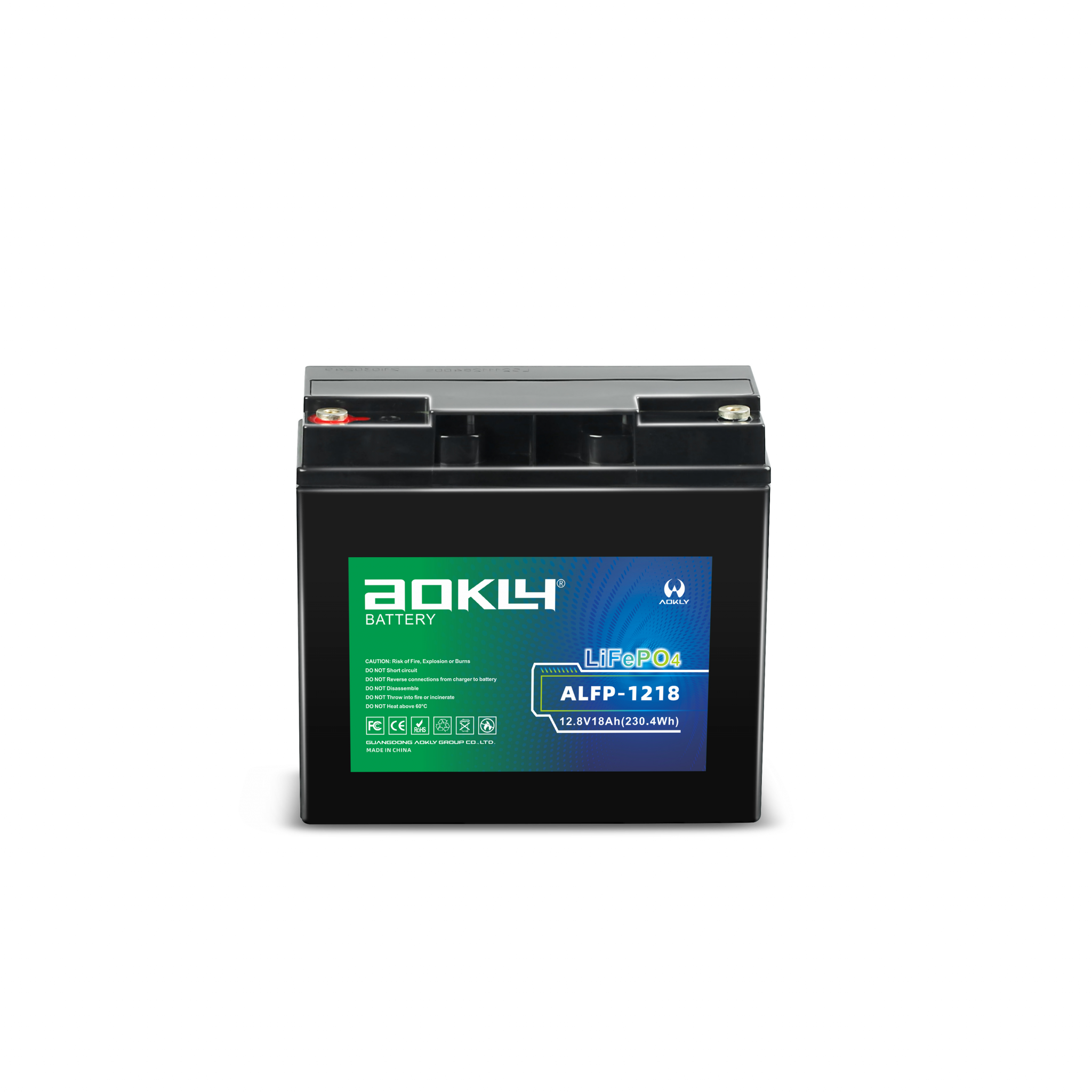
In closing, as we forge ahead into changing energy landscapes, a brand like Aokly may be worth your time. Trust me, staying informed about battery innovations will elevate your efforts in energy consumption and efficiency.