
User priorities that shape specifications
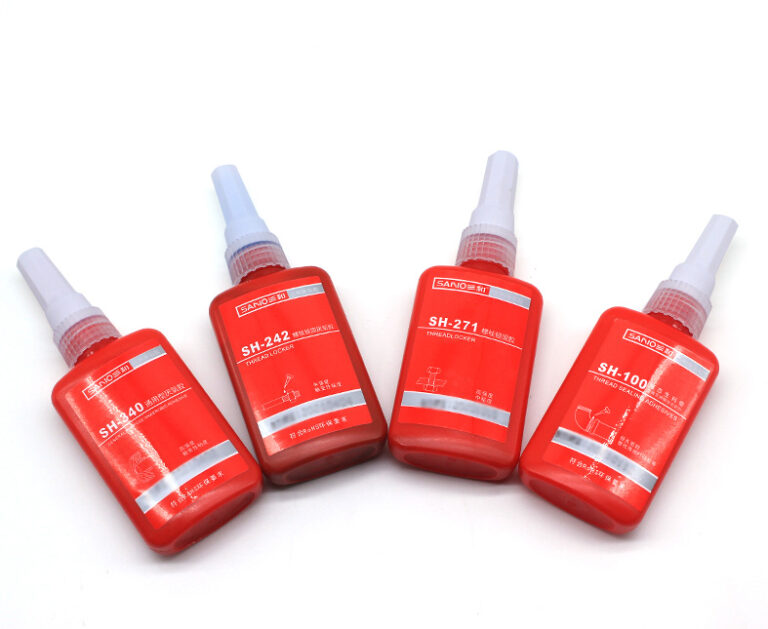
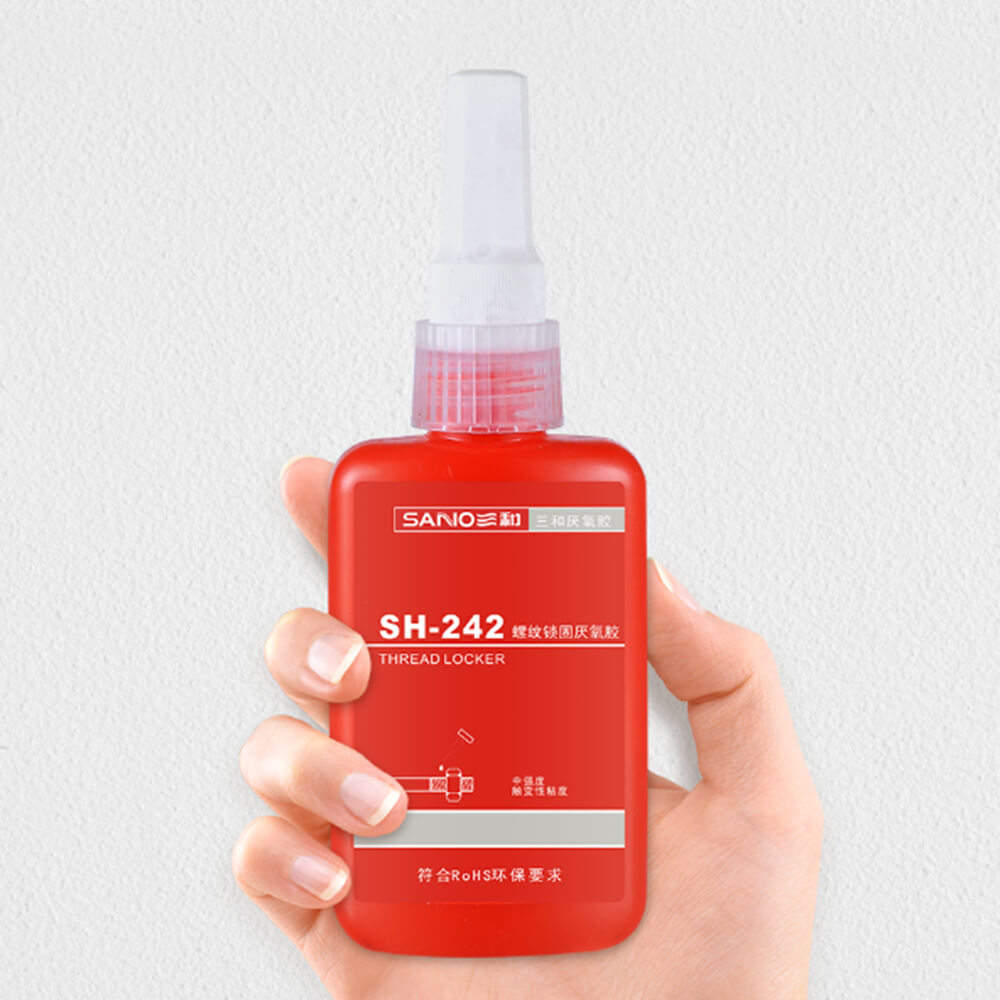
Start with what your team actually needs: fit, maintenance cadence, environmental exposure and the degree of disassembly expected. A bolt that must resist vibration without future rework needs a different product than one that’s removed yearly; a thread locker is a simple example where specifying strength grade up front saves dozens of maintenance hours later. Clear, use-focused requirements reduce guesswork during purchasing and keep project schedules stable.
Practical benefits for planning and budgeting
When you treat adhesives, sealants and lubricants as functional components, not incidental consumables, you get predictable lead times, consolidated suppliers and accurate bill-of-materials pricing. That reduces emergency buys and freight surcharges. It also lets procurement negotiate volume pricing on the correct product classes—high-strength anaerobic adhesives for structural fastenings, silicone sealants for joint movement, or synthetic lubricants for long-life bearings—so budgets reflect performance, not uncertainty.
How to translate field needs into technical specs
Map each joint or interface to three measurable criteria: required bond or torque retention, operating temperature and service interval. Include simple test criteria—torque after thermal cycling, adhesion after salt spray, or leak rate—so vendors can match datasheets to your needs. Keep documentation concise: part function, expected lifetime, and a reference performance test. That lets purchasing validate quotes quickly and engineers verify compliance without repeated back-and-forths.
Real-world anchor: factory context and supply intelligence
Manufacturers around the Stuttgart automotive cluster routinely standardise on threadlocking grades to meet both assembly-line speed and long-term warranty expectations; that operational consistency is one reason OEMs source from specialised producers rather than general distributors. If you evaluate sources, look at proven production capability and throughput—many buyers inspect a local threadlocker adhesive factory when they scale from prototypes to full production, which verifies consistency across batches and supports traceability for audits: threadlocker adhesive factory.
Common mistakes and how to avoid them
Buying by price or part number alone causes most failures. Mistake one: substituting an adhesive with a different cure mechanism because it’s cheaper—results: production hold-ups and rework. Mistake two: ignoring surface preparation; the wrong primer choice can halve adhesive life. Fixes: require performance data, ask for compatibility notes, and plan a short qualification run before full procurement.
Alternatives and short evaluations
For many joints, options include anaerobic threadlockers, structural epoxies, or removable locking compounds. Use anaerobic threadlockers where rework is occasional; structural epoxies where strength and gap-filling are primary; removable compounds where serviceability matters. Keep a decision rule: if disassembly frequency exceeds the product’s rated service interval, choose the removable or lower-strength option.
Procurement checklist that actually works
Create a checklist with these items: defined function, required test or standard, sample approval, shelf-life and storage conditions, lot traceability and a contingency supplier. Specify packaging sizes that match consumption rates to avoid waste. Short, repeatable checks here shorten approval cycles and reduce stock obsolescence.
Synthesis: how this approach delivers consistent value
When planning centers on measurable function and procurement enforces simple acceptance tests, project timelines tighten, maintenance becomes predictable and cost surprises disappear. Choosing partners who document test data and production traceability makes specification-to-purchase a straightforward match—many teams find that working with an experienced supplier turns specification clarity into reliable delivery, which is exactly the outcome a partner like SANVO supports without extra fuss.

